
Step by step
What not to do
- Do not assume memory problems are just 'normal aging' if they disrupt daily life (e.g., missed appointments, getting lost, trouble with familiar tasks); early diagnosis opens doors to treatment and planning.
- Do not coach your loved one during cognitive tests by whispering answers or giving hints. This invalidates results and can lead to a missed or incorrect diagnosis.
- Do not minimize what you have observed or hide your own stress. Specific examples, like 'She forgets to turn off the stove', help the doctor see the full picture.
- Do not expect a diagnosis after a single short visit. Dementia evaluation often takes several appointments and assessments. If rushed, ask for a second opinion or referral to a memory disorders clinic.
- Do not put safety on hold while waiting for results. If your loved one has had falls, gotten lost, or left the stove on, take immediate practical steps, install grab bars, use a GPS tracker, or arrange a driving assessment.
Key points
- A dementia evaluation is a multi-step process that includes history, physical exam, cognitive testing, lab work, and brain imaging, not just one test.
- Test results are compared to others of the same age and education level, not to younger people, to get an accurate picture.
- Neuropsychological testing is only used when screening tests are unclear or when more detail is needed to guide treatment.
- Caregiver input is essential, bring a written list of changes you've observed to every appointment.
- Early diagnosis opens the door to treatments, planning, and support that can improve quality of life for years to come.
- Do not delay evaluation out of fear; the earlier you know, the more options you have.
Videos
 How is dementia diagnosed?This video gives a clear, step-by-step overview of the diagnostic process, including what to expect at the doctor's office and why each test matters.
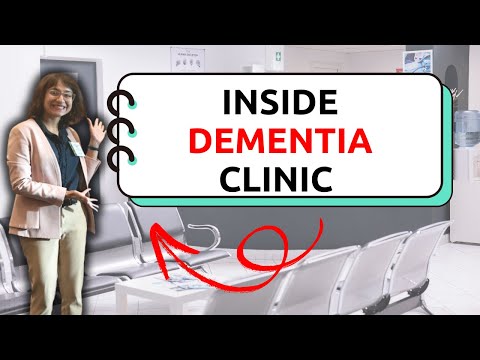 Inside a Dementia Clinic: What REALLY Happens? Invited talk by Dr. Khushboo VermaDr. Verma walks you through a real dementia clinic visit, explaining the roles of different specialists and what happens behind the scenes.
 4 Most Common Types of Dementia in AgingUnderstanding the different types of dementia helps you know what specific tests your doctor might order and why the diagnosis matters for treatment.
 Why Getting a Dementia Diagnosis Is So Hard (And How to Make It Easier)This video addresses common frustrations families face during the diagnostic journey and offers practical tips to advocate for a timely, accurate diagnosis.
2 more videos
 PAC Live @5 - Getting The Diagnosis RightTeepa Snow and her team discuss the importance of accurate diagnosis and share a screening tool that can help doctors and families communicate better.
 What Are The 7 Stages Of Alzheimer's Disease? Stage 4Focusing on stage 4 (early-stage Alzheimer's), this video helps you understand what symptoms to expect and how the diagnostic process fits into the broader disease progression.
Background
Why a Dementia Evaluation Is a Process, Not a Single Test
Dementia is not a single disease but a syndrome, a group of symptoms caused by different underlying conditions. That is why a thorough evaluation involves multiple steps: to rule out reversible causes (like vitamin deficiencies, thyroid problems, or medication side effects) and to identify the specific type of dementia (such as Alzheimer's, vascular, or Lewy body). The goal is not just to label a problem but to create a roadmap for care that addresses safety, daily function, and quality of life.
A key part of the process is comparing your loved one's test results to others of the same age and education level. As one expert explains, 'We're comparing your loved one to other people who are similar to your loved one, not to a 21-year-old college student.' This age- and education-adjusted scoring helps clinicians see if a person's performance is truly below expectations for their peer group, which raises flags for further investigation.
The Core Components of a Dementia Evaluation
A standard dementia evaluation in a clinic includes several layers. First, a detailed history from both the patient and a family member or caregiver, often using a structured tool like the Informant Questionnaire on Cognitive Decline in the Elderly (IQCODE) to capture changes over time. Second, a physical and neurological exam to check for motor symptoms, balance issues, and swallowing problems. Third, cognitive testing using brief, validated instruments such as the Mini-Mental State Examination (MMSE), the Montreal Cognitive Assessment (MoCA), or the Mini-Cog. These tests assess memory, attention, language, and visuospatial skills.
Laboratory tests are also standard: blood work to check thyroid-stimulating hormone and vitamin B12 levels, and sometimes urine tests to rule out infections. Brain imaging, usually a noncontrast CT or MRI, is recommended to look for structural issues like strokes, tumors, or normal pressure hydrocephalus. As one source notes, 'We want to make sure there is no risk of aspiration, falls, or balance problems,' and these safety checks are part of the evaluation.
When More In-Depth Testing Is Needed
If screening tests are normal or unclear but there is still a high level of concern, neuropsychological testing may be recommended. This is a much longer, more detailed assessment, often lasting several hours, that examines multiple cognitive domains in depth. A neuropsychologist compares the results to a normative database of people with similar age, education, and sometimes race. This testing can help distinguish between normal aging, mild cognitive impairment (MCI), and early dementia.
Importantly, not everyone needs this level of testing. The decision depends on whether the results will change medical management or help the family plan better. As geriatricians often ask, 'Will this information help the patient or the family?' If the answer is yes, then the extra time and effort are worthwhile.
Practical tools
5
Symptom Log and Caregiver Summary
Keep a dated record of specific incidents (e.g., 'March 5: Left the front door open all night'). Before appointments, distill these into a short bullet-point letter focusing on what your loved one used to do and no longer can.
Medication and Health History Checklist
Create a one-page document listing
Bring copies for every clinician.
The 'Just Do Your Best' Reassurance Phrase
When your loved one is nervous about cognitive testing, say softly: 'This is just a way for the doctor to see how your brain is working. Just do your best. I'll be right here.' This lowers anxiety and helps them perform more naturally.
Brain Scan Comfort Kit
For an MRI or CT, bring
If claustrophobic, ask ahead about an open MRI or mild sedative.
Follow-Up Question List and Results Folder
Bring a written list of questions:
Keep a dedicated folder for all test reports and summaries, invaluable for second opinions and future care.
Different situations
For Alzheimer's disease (early stage)
The evaluation will focus heavily on memory and language. Expect more detailed testing of short-term recall and word-finding. The doctor may also order a PET scan or spinal tap to look for amyloid plaques. Early diagnosis is especially valuable here because medications like donepezil can slow symptoms. Start planning for future care needs now, while your loved one can still participate in decisions.
For vascular dementia
The doctor will pay close attention to cardiovascular risk factors: high blood pressure, diabetes, high cholesterol, and history of strokes or mini-strokes. Brain imaging (MRI) is crucial to look for white matter changes or silent strokes. The evaluation may include a carotid ultrasound to check for blockages. Managing blood pressure and cholesterol becomes a central part of the treatment plan.
For Lewy body dementia
Expect extra questions about visual hallucinations, fluctuating attention, and movement problems (like stiffness or tremors). The cognitive test might show more variability, good days and bad days. The doctor will also ask about REM sleep behavior disorder (acting out dreams). Brain scans may show reduced dopamine activity. Be prepared for a longer diagnostic process because symptoms overlap with Parkinson's and Alzheimer's.
For frontotemporal dementia (FTD)
The evaluation will emphasize behavior and personality changes rather than memory. The doctor will ask about apathy, disinhibition, compulsive behaviors, and loss of empathy. Cognitive tests may focus on executive function (planning, problem-solving) rather than memory. FTD often strikes younger people (40s–60s), so the doctor may also test for genetic causes. Support groups for FTD are different from Alzheimer's groups, seek out specialized resources.
When the patient is a spouse vs. adult child
As a spouse, you may have more intimate knowledge of daily changes but also more emotional strain. Be prepared for the doctor to ask about your own health and stress levels, caregiver burnout is real. As an adult child, you may need to navigate your parent's resistance to being evaluated. Use phrases like 'I want to help you stay independent as long as possible' rather than 'You have a problem.' In both roles, bring a support person to appointments to share the emotional load.
For the doctor
6
- Ask your doctor: 'Given my loved one's specific symptoms, which type of dementia is most likely, and what tests will confirm it?'
- Discuss: 'Are there any medications or supplements that could help slow the progression at this early stage?'
- Inquire: 'Should we consider a lumbar puncture (spinal tap) or amyloid PET scan to get a more definitive diagnosis?'
- Ask: 'What are the risks and benefits of brain imaging? Is contrast dye needed, and are there any side effects?'
- Discuss: 'How often should we repeat cognitive testing to track changes?'
- Inquire: 'Are there any clinical trials or research studies we might be eligible for?'