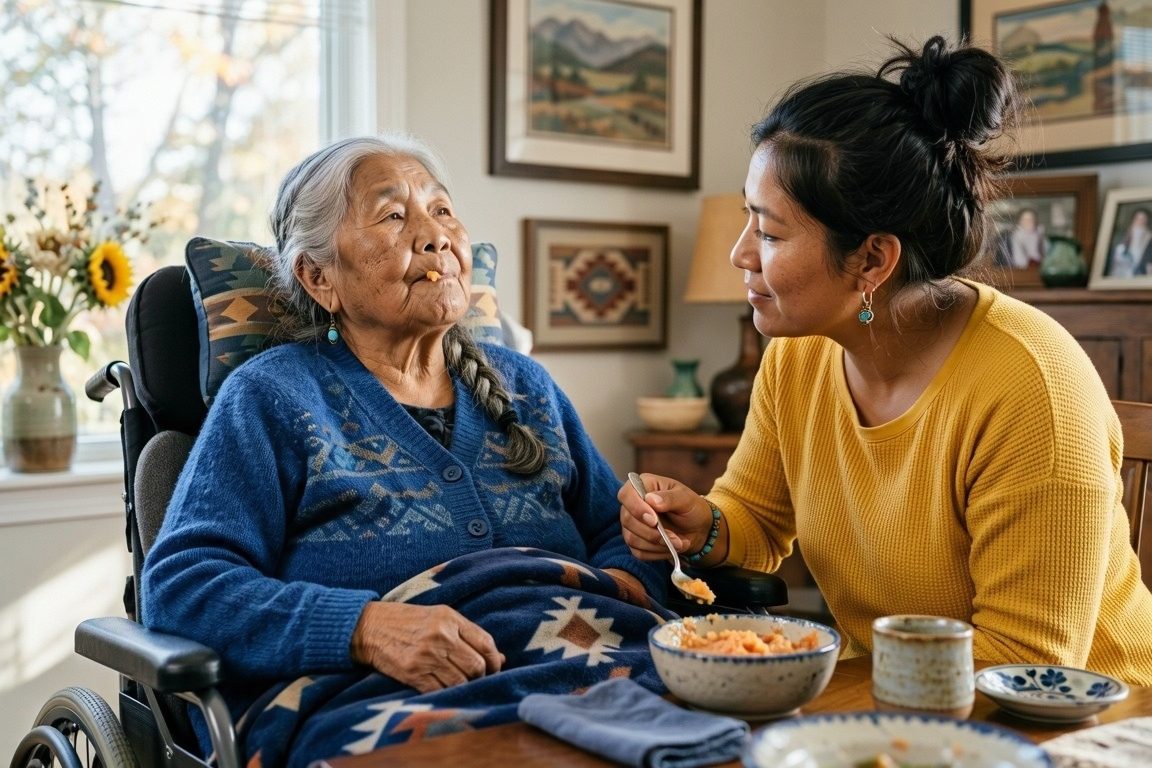
Step by step
What not to do
- Do not wait for a fever to suspect pneumonia: In late-stage dementia, pneumonia often shows as increased sleepiness, confusion, or appetite drop, call the clinician if something feels off.
- Do not stop chronic disease medications because dementia seems too advanced: Uncontrolled hypertension or blood sugar increases risk of stroke, infections, and death, discuss any medication changes with the doctor first.
- Do not force oral care when your loved one resists, find a gentler path: Skipping it raises pneumonia risk, so try a mirror, song, letting them hold the toothbrush, or an antibacterial spray when brushing is impossible.
- Do not neglect your own health as a caregiver: Exhaustion leads to missed infection signs and skipped care steps, take breaks, ask for help, and see your own doctor regularly.
Key points
- Pneumonia is the leading cause of death in late-stage dementia, with risk doubled compared to older adults without dementia.
- Key patient characteristics that increase risk include advanced age, difficulty swallowing, immobility, chronic conditions (diabetes, heart disease), and untreated hearing loss.
- Good oral care after every meal and before bed is one of the most effective ways to prevent aspiration pneumonia.
- Watch for 'silent' signs of infection: sudden confusion, increased sleepiness, loss of appetite, or agitation, not just fever.
- Vaccinations (flu, pneumonia, COVID-19, shingles) are crucial and should be discussed with the clinician.
- Caregiver health matters, take breaks, seek respite, and see your own doctor to maintain the quality of care you provide.
Videos
 5 Surprising Reasons Women Have A Higher Risk Of Developing DementiaExplains why women face higher dementia risk due to hormonal changes after menopause, cholesterol shifts, and greater impact of smoking, important for understanding your loved one's risk profile.
 What is Dementia?Provides a clear overview of dementia as a symptom of brain cell damage, helping you understand the biological basis of risk factors like age and genetics.
 What Is Dementia?Another helpful primer on dementia types and causes, reinforcing that Alzheimer's is the most common form and that brain damage affects thinking, behavior, and physical functions.
 What Are The Most Common Risk Factors For Alzheimer's & Dementia?Lists modifiable and non-modifiable risk factors including age, genetics, hearing loss, and high blood pressure, directly relevant to understanding what increases death risk.
2 more videos
 The Secrets to Dementia PreventionFocuses on lifestyle changes (diet, exercise, social engagement) that can lower dementia risk, which also helps reduce complications in late stage.
 14 Ways to Cut Your Dementia Risk in Half (Backed by Science)Offers evidence-based strategies like treating hearing loss, managing blood pressure, and staying mentally active, actions that can improve outcomes even in late stage.
Background
Why Pneumonia Is the Leading Cause of Death in Dementia
Research shows that pneumonia is the most common immediate cause of death in people with dementia, accounting for nearly half of all deaths when autopsies are performed. In fact, patients with dementia have about twice the risk of dying from pneumonia compared to older adults without dementia. This happens because dementia progressively damages the brain regions that control swallowing, coughing, and clearing the airways. As a result, food, liquid, or saliva can easily enter the lungs instead of the stomach, a condition called aspiration, leading to pneumonia that is often silent and hard to detect. The risk is present whether your loved one lives at home or in a nursing home; studies show death rates from pneumonia are similar in both settings, around 31-32%.
Key Patient Characteristics That Increase Risk
Several factors make a person with late-stage dementia more vulnerable. Age is the biggest non-modifiable risk factor, the incidence of dementia doubles every decade after age 60, and median survival after diagnosis is about 4.5 years, though this varies widely. People diagnosed in their 60s may live 10.7 years, while those diagnosed in their 90s average only 3.8 years. Other characteristics include having cardiovascular conditions like high blood pressure, diabetes, or high cholesterol, which are linked to both dementia and a higher risk of death. Women face additional risk due to hormonal changes after menopause that raise 'bad' cholesterol and lower 'good' cholesterol, and because smoking affects women more severely, leading to hardened arteries. Untreated hearing loss, low education level, and a history of head trauma also contribute. In late-stage dementia, the inability to walk, loss of bladder and bowel control, and severe cognitive decline (e.g., not recognizing family, needing full help with dressing) signal a higher risk of complications like infections and falls.
The Role of Chronic Conditions and Infections
Beyond pneumonia, other infections like urinary tract infections (UTIs) are common and can rapidly worsen dementia symptoms, leading to hospitalization and death. Septicemia (blood infection) and respiratory failure are frequent causes of death in hospitalized dementia patients. Chronic conditions such as diabetes, heart disease, and thyroid problems can make the body less able to fight infections. Additionally, low levels of certain nutrients (vitamin B12, vitamin D, folate) and dehydration can mimic or worsen dementia symptoms and increase infection risk. Medications can also have side effects that increase fall risk or suppress the immune system. It's important to discuss any new or worsening symptoms with your clinician, as early treatment of infections can improve comfort and quality of life.
Practical tools
4
Swallowing Safety Checklist
Use at every meal:
This routine prevents aspiration pneumonia.
Infection Watch Card
Create a card or phone note listing silent infection signs:
Keep it visible. When calling the doctor, state: 'I'm concerned about a possible infection because I noticed [specific change].'
Oral Care Kit
Assemble:
For those who cannot spit, use a suction toothbrush or a damp cloth to wipe gums, tongue, and roof of mouth after meals and before bed.
Medication and Vital Signs Tracker
Keep a simple log of daily medications, blood pressure readings, and blood sugar results (if diabetic), with date and time. Bring to every medical appointment so trends can be spotted and doses adjusted safely.
Different situations
Lewy body dementia (LBD) / late stage
In LBD, people are especially sensitive to medications, and antipsychotics can cause severe side effects or even death. Never give any new medication without first discussing with a clinician who knows LBD. Also, LBD often involves visual hallucinations and movement problems similar to Parkinson's, increasing fall risk. Use the fall prevention steps more aggressively, and consider a bed alarm. Pneumonia risk is still high, so follow the swallowing and oral care steps closely.
Frontotemporal dementia (FTD) / late stage
FTD often affects behavior and language more than memory early on, but in late stage, swallowing and mobility decline similarly. However, people with FTD may have more repetitive behaviors or compulsions (like hand-wringing) that can distract from eating. Offer finger foods that are easy to eat while moving, and use a calm, structured routine. Behavioral changes can also increase risk of wandering, use door alarms and GPS trackers if needed.
Vascular dementia / late stage
Vascular dementia is caused by reduced blood flow to the brain, often from strokes or small vessel disease. Managing blood pressure, cholesterol, and diabetes is even more critical here to prevent further strokes that can accelerate decline. Monitor for sudden changes in weakness, speech, or vision, which could signal a new stroke, call 911 immediately. Aspiration pneumonia risk is still high, so continue all swallowing precautions.
Spouse vs. adult child caregiver
Spouse caregivers often live with the person and may be older themselves, increasing their own health risks. It's vital for the spouse to have regular checkups and not ignore their own symptoms. Adult children may be juggling work and their own families, use respite care and consider hiring a home health aide for a few hours a day. Both roles benefit from joining a caregiver support group (online or in-person) to share tips and reduce isolation.
Living in a facility (nursing home or assisted living)
Even in a facility, you remain the advocate. Visit often and ask staff about the care plan, especially for swallowing precautions, oral care, and mobility. Check that your loved one is positioned upright during meals and that staff are using the correct food texture. If you notice a decline, request a care conference with the nurse and doctor. Facilities may have higher infection rates, so ask about their vaccination rates for flu and pneumonia among residents and staff.
For the doctor
6
- Ask your doctor: 'What is the best pneumonia vaccine schedule for my loved one at this stage of dementia?'
- Discuss: 'Should we consider a swallowing evaluation by a speech-language pathologist to reduce aspiration risk?'
- Ask: 'Are there any medications we should stop or adjust to lower the risk of falls or infections?'
- Inquire: 'What signs of infection should I watch for specifically in late-stage dementia, and when should I call you?'
- Discuss: 'Is a do-not-hospitalize or do-not-resuscitate order appropriate at this stage, and how do we document it?'
- Ask: 'Can you refer us to a palliative care specialist to help manage symptoms and improve comfort?'