
Step by step
What not to do
- Do NOT assume all dementias are the same. Each type has unique symptoms and triggers. Using generic Alzheimer's advice for someone with frontotemporal dementia can backfire, e.g., memory aids won't help if the issue is loss of empathy. Learn the specifics of your loved one's diagnosis.
- Do NOT argue with hallucinations in Lewy body dementia. Telling the person 'that's not real' often increases agitation.Instead, acknowledge their distress and gently redirect: 'I can see you're scared. Let's check the window together.'
- Do NOT ignore sudden changes in behavior, they could signal a medical issue like a urinary tract infection, stroke, or medication reaction. Dementia symptoms can worsen temporarily due to illness or dehydration. Always rule out physical causes first before attributing behavior to the dementia itself.
- Do NOT try to reason with someone who has frontotemporal dementia about their inappropriate actions. The part of the brain that controls social judgment is damaged, they literally cannot 'think before they act.' Use redirection, not lectures.
- Do NOT overstimulate or understimulate. Both extremes can trigger agitation. For vascular dementia, too much noise or activity can overwhelm; for Alzheimer's, boredom can lead to restlessness. Observe what calms your loved one, quiet music, a familiar TV show, or a simple task like folding towels.
- Do NOT delay getting a diagnosis. Many families wait years, missing opportunities for early interventions, clinical trials, and time to plan. Even if the type is uncertain, a diagnosis of dementia opens doors to support services and treatments that can improve quality of life.
Key points
- Dementia is not one disease, there are over 100 types, each with distinct brain changes and behaviors.
- Alzheimer's is most common (60–80%), but mixed dementia (Alzheimer's + vascular or Lewy body) is actually most common in people over 80.
- Lewy body dementia is marked by visual hallucinations, fluctuating cognition, and Parkinson-like movement; antipsychotics can be dangerous.
- Frontotemporal dementia often strikes younger people and changes personality/language before memory.
- Vascular dementia progresses in steps after strokes; managing heart health can slow decline.
- Knowing the type helps you tailor communication, safety, and activities, and reduces caregiver frustration.
Videos
 The 5 Types of Dementia You NEED to Know!This video clearly explains the five most common dementia types, their brain changes, and how symptoms differ, perfect for understanding the 'why' behind behaviors.
 Early Signs Of Dementia, Alzheimer's, Vascular, Lewy Body, FrontotemporalFocuses on early warning signs for each type, helping you recognize what to look for and when to seek a diagnosis.
 Brain Changes and DementiaVisualizes how brain structure changes in different dementias, making the link between brain damage and behavior easier to grasp.
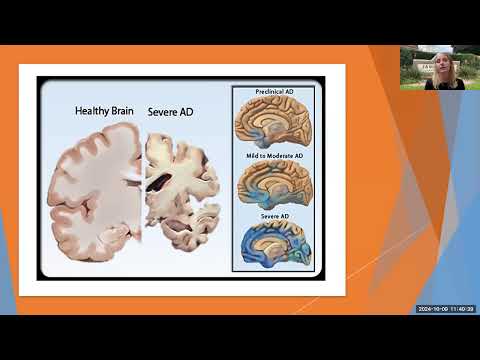 Coping with Sundowning & Sleep Issues as a Dementia CaregiverAddresses sleep disturbances common in many dementias, with practical tips that vary by type (e.g., Lewy body vs. Alzheimer's).
2 more videos
 Alzheimer's & Dementia Starter Kit Part 1A beginner-friendly overview that covers the basics of dementia types and what to do after a diagnosis, great for new caregivers.
 Dementia Therapies and InterventionsExplores non-drug therapies tailored to different dementia types, such as music therapy for Alzheimer's and sensory activities for frontotemporal.
Background
Why Dementia Type Matters for Behavior
Dementia is not one disease but an umbrella term for over 100 conditions that damage brain cells. Each type attacks different brain regions, causing distinct patterns of memory loss, mood changes, and physical symptoms. For example, Alzheimer's disease typically begins in the hippocampus (memory center), while frontotemporal dementia starts in the frontal and temporal lobes (personality, language, and decision-making). This means two people with different dementias may behave very differently, one may forget recent events but remain cheerful, while another may become impulsive or lose empathy early on. Understanding which type your loved one has (or is suspected to have) helps you know what to expect and how to respond effectively.
Alzheimer's Disease: The Most Common Type
Alzheimer's accounts for 60–80% of dementia cases. Brain changes include clumps of beta-amyloid protein (plaques) and tangles of tau protein that damage and kill nerve cells, especially in areas controlling memory, emotion, and behavior. Symptoms develop slowly over years: early on, short-term memory loss is hallmark; later, language, judgment, and ability to perform daily tasks decline. Behavior changes like restlessness, agitation, and wandering often emerge in moderate stages as the person loses the ability to understand their environment. Because the brain's 'brake' system (frontal lobes) is also affected, they may act on impulses without considering safety.
Vascular Dementia: Stepwise Decline from Reduced Blood Flow
Vascular dementia results from damage to blood vessels that supply the brain, often after a stroke or series of mini-strokes. Symptoms can appear suddenly and worsen in a stepwise pattern, stable for a while, then a sudden drop. The specific behaviors depend on which brain areas are starved of oxygen. Common issues include confusion, trouble with planning or organizing, slowed thinking, and mood swings. Unlike Alzheimer's, memory may be less affected early on, but the person may have difficulty walking or experience urinary urgency. Because the damage is from blood flow problems, managing cardiovascular risk factors (blood pressure, cholesterol, diabetes) is critical.
Lewy Body Dementia: Hallucinations, Fluctuations, and Movement Issues
Lewy body dementia (LBD) is caused by abnormal clumps of a protein called alpha-synuclein in the brain. These deposits disrupt the function of nerve cells that produce dopamine and acetylcholine, leading to a triad of symptoms: visual hallucinations (often detailed and recurring), fluctuating cognition (alert one moment, confused the next), and Parkinson-like movement problems (stiffness, shuffling walk, tremors). Sleep disturbances, especially acting out dreams (REM sleep behavior disorder), are common early signs. People with LBD are extremely sensitive to antipsychotic medications, using them can cause severe side effects or even death. Caregivers must be vigilant about medication safety.
Frontotemporal Dementia: Early Changes in Personality and Language
Frontotemporal dementia (FTD) often strikes younger people (40s–60s) and involves shrinkage of the frontal and temporal lobes. There are two main variants: behavioral variant (bvFTD) and primary progressive aphasia (PPA). In bvFTD, early signs include loss of empathy, compulsive behaviors, apathy, or socially inappropriate actions (e.g., touching strangers, eating non-food items). Memory may remain intact for years. PPA starts with language difficulties, trouble finding words, understanding speech, or speaking fluently. Because the person looks physically healthy and memory seems fine, FTD is often misdiagnosed as a psychiatric condition or midlife crisis. Care approaches must focus on safety and redirection rather than reasoning.
Mixed Dementia: The Most Common Reality in Older Adults
Mixed dementia means a person has brain changes of two or more types, most often Alzheimer's plus vascular dementia, or Alzheimer's plus Lewy body dementia. Autopsy studies suggest mixed dementia is actually the most common form in people over 80. Symptoms can be a blend: memory loss from Alzheimer's, plus stepwise declines from vascular damage, plus hallucinations from Lewy bodies. This makes diagnosis tricky during life, and the person may be labeled simply as 'dementia' without a specific type. Treatment focuses on managing the most troublesome symptoms, and caregivers should expect a more complex, unpredictable course.
Practical tools
6
Daily Observation Log
Keep a simple notebook or use a notes app to record: date, time, behavior observed, what happened before (trigger), what helped (response). Share this log with the doctor, it reveals patterns that help distinguish dementia types (e.g., fluctuating alertness suggests Lewy body; sudden confusion after a meal might indicate blood sugar issues).
Redirection Scripts for Different Types
For Alzheimer's: 'Let's go for a walk, the garden is beautiful today.' For frontotemporal: 'I see you're upset. Let's sort these socks together, can you help me match the blue ones?' For Lewy body: 'You're worried about that person in the corner. Let's move to the kitchen and have a snack.' Write down a few go-to phrases and keep them visible.
Environmental Cues for Safety
Medication List and Allergy Card
Support Organization Contact Sheet
Print or save contacts:
Also include local Area Agency on Aging for respite care and adult day programs.
Visual Schedule Board
Use a whiteboard or poster with pictures showing the daily routine:
This reduces anxiety for people with Alzheimer's or vascular dementia who struggle with sequencing. Update as abilities change.
Different situations
Lewy body dementia (LBD)
Avoid antipsychotic medications unless absolutely necessary and only under specialist supervision. Focus on non-drug strategies for hallucinations: improve lighting, reduce shadows, validate feelings. Monitor for severe sensitivity to medications like Haldol or Zyprexa. Sleep issues are common, try melatonin (discuss dose with doctor) and avoid caffeine after noon. Falls are high risk due to Parkinson-like stiffness; use a walker and remove clutter.
Frontotemporal dementia (FTD) – behavioral variant
Do not rely on memory aids, memory is often intact. Instead, focus on managing compulsive behaviors (e.g., hoarding, repetitive movements) by providing safe outlets (e.g., a box of fabric scraps to fold). Loss of empathy means the person may not respond to emotional pleas, use calm, matter-of-fact redirection. Safety-proof the home for impulsivity (lock up car keys, sharp objects). Consider adult day programs designed for younger-onset dementia.
Vascular dementia – post-stroke
Expect sudden changes in behavior after a stroke or TIA. Work with a physical therapist to address walking difficulties and fall risk. Speech therapy may help with communication if language areas are affected. Monitor blood pressure and blood sugar closely, uncontrolled vascular risk factors can accelerate decline. Allow extra time for tasks; do not rush the person.
Mixed dementia (common in older adults)
Expect a blend of symptoms that may be confusing. Keep a detailed log to help the doctor adjust treatments. Prioritize the most distressing symptom, e.g., if hallucinations are upsetting, address those first; if falls are frequent, focus on mobility and home safety. Be prepared for an unpredictable course; flexibility is key. Join a support group for mixed dementia if available.
Early-onset dementia (under 65, often FTD or young-onset Alzheimer's)
Address employment and financial issues early, the person may still be working. Seek legal advice for disability benefits, insurance, and power of attorney. Children may need support, consider family counseling. Look for young-onset support groups where caregivers face similar life-stage challenges (e.g., raising teens while caring for a spouse).
For the doctor
6
- Ask your doctor: 'Based on my loved one's symptoms, which dementia type is most likely? What tests can help confirm?'
- If Lewy body is suspected, ask: 'Are there any medications we should avoid, especially antipsychotics? What is the safest option if needed?'
- For vascular dementia, ask: 'What are the target numbers for blood pressure, cholesterol, and blood sugar? Should we see a cardiologist or neurologist?'
- For frontotemporal dementia, ask: 'Are there any medications that can help with compulsive behaviors or apathy? What about clinical trials?'
- If mixed dementia is possible, ask: 'How do we prioritize treatments when symptoms overlap? What should I watch for that signals a new problem?'
- Always ask: 'Are there reversible causes we might have missed, like thyroid issues, vitamin deficiency, or medication side effects?'