
Step by step
What not to do
- Do not stay silent when you feel something is off. Instead of being quiet, say: 'I'm not questioning your expertise, but I want to make sure we've considered everything. Can we talk about why this plan is the best fit?'
- Do not assume a provider's age or specialty means they are free from ageist bias. Ask questions to reveal their reasoning rather than assuming good intentions.
- Do not accept 'that's just part of aging' or 'it's the dementia' as explanations for a new symptom. Push for a workup: 'This is a sudden change. Can we check for a urinary tract infection or other reversible causes?'
- Do not let the provider rush you. You have the right to ask for time: 'I appreciate your recommendation. Can we take 10 minutes to discuss this as a family before we decide?'
- Do not ignore your gut feeling that bias is affecting care. Trust your instinct, but advocate calmly with specific questions rather than accusations.
Key points
- Ageist bias in healthcare often shows up as different treatment recommendations based on age or dementia diagnosis, not on the person's actual needs or wishes.
- You can uncover bias by asking direct questions like: 'If my loved one were younger and didn't have dementia, would you offer a different plan?'
- Always prepare a one-page medical summary and a list of your loved one's values to hand to every provider.
- Do not accept 'it's just aging' or 'it's the dementia' as an explanation for new symptoms; push for a workup of reversible causes.
- Bring a second person to appointments to help you listen, ask questions, and witness the interaction.
- Document everything: date, provider, what was said, and any red flags. This can help you track patterns and seek a second opinion if needed.
Videos
 Conscious Caregiving with L & L - Ageism and OutcomesThis video directly addresses how ageism affects medical outcomes and gives practical advocacy strategies for caregivers in healthcare settings.
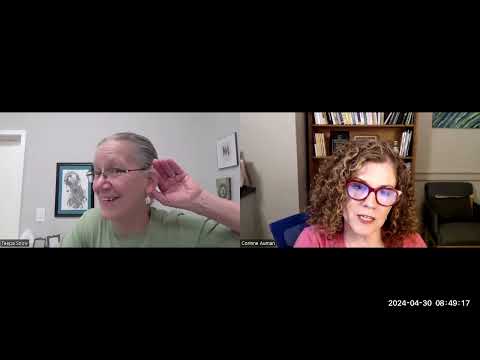 Time with Teepa - Age bias to age sensitive healthcare, is it possible?Teepa Snow explores how to shift from age bias to age-sensitive care, offering insights on what caregivers can do to ensure their loved one is treated with dignity.
 Dementia Caregiver AngerThis video helps caregivers manage the anger that can arise when facing ageist or dismissive treatment from healthcare providers, offering coping strategies.
 Grief After the Diagnosis of DementiaUnderstanding the grief that comes with a dementia diagnosis can help caregivers approach medical advocacy with more clarity and less emotional reactivity.
2 more videos
 How To Feel Better As A Dementia CaregiverThis video offers self-care tips that are essential for maintaining the energy and focus needed to advocate effectively against ageist bias.
 #10.5 Dealing with Alzheimer's: Caregiver Stress (5 of 6)Caregiver stress can make it harder to spot bias and advocate. This video provides stress management techniques to keep you sharp and resilient.
Background
What Ageism Looks Like in Healthcare for Dementia
Ageism in medical decision-making often shows up as a subtle devaluation of older adults, especially those living with dementia. In the emergency room, for example, a doctor might assume that because a person is older or has dementia, they wouldn't want aggressive treatment, or that their symptoms are just 'part of aging' and not worth investigating. This bias can lead to different recommendations than what would be offered to a younger person with the same medical issue. As one ER professional noted, ageism can cause providers to change their plan based on assumptions about the person's family dynamics or situation, rather than on the individual's actual needs and wishes. For a person with dementia, this can mean a less thorough workup, fewer treatment options discussed, or a quicker discharge without adequate support. The problem is compounded by the fact that many healthcare providers receive little to no training in geriatrics, even though they will regularly treat older patients. This lack of training is itself a form of ageism, as it devalues the older population and the complexity of their care.
Why This Happens: The System and the Mindset
Ageist bias often stems from a combination of systemic issues and individual assumptions. In the ER, time pressure and a focus on acute problems can lead providers to default to what they think is 'appropriate' for an older person, rather than asking what the person themselves would want. There's also a tendency to conflate dementia with an inability to have a meaningful life, which can lead to decisions that prioritize convenience over the person's values. As one expert explained, when a person with dementia is brought in, providers might assume the family is overwhelmed or that the person 'won't understand' complex options, so they offer a simpler, less invasive plan without exploring all possibilities. This is not always malicious; it can come from a misguided desire to protect the person from stress. But it robs the individual of their autonomy and can lead to missed opportunities for treatment that could improve their quality of life. The key is to recognize that ageism is not just about being rude or dismissive; it's about making assumptions based on age or diagnosis that limit the care offered.
The Role of Anosognosia and Capacity
A complicating factor is that many people with dementia, especially in early stages, have anosognosia, which means they don't recognize their own cognitive deficits. This can make it seem like they are 'in denial' or 'uncooperative,' but it's actually a symptom of the brain changes. In a medical setting, this can lead providers to question the person's reliability or to assume that the family caregiver is exaggerating. It's crucial to understand that capacity is not the same as diagnosis. A person with dementia may still have the capacity to make specific medical decisions, even if they can't manage their finances. Ageist bias often shows up when providers assume that because someone has dementia, they automatically lack decision-making capacity. As one source noted, it's important to ask providers to assess capacity for the specific decision at hand, rather than assuming the person can't participate. This is where you, as the caregiver, can step in to ensure the person's voice is heard, even if it's expressed through you.
Practical tools
5
The 'What If' Script
Exact phrases to suspect bias:
Write on a wallet card.
The One-Page Medical Summary
One page:
Keep copies in car, bag, phone. Hand to every provider.
The 'Capacity' Question
If a provider says 'your loved one can't make decisions,' ask: 'Can you do a formal capacity assessment for this specific decision? I want to be sure we're not assuming inability just because of her dementia diagnosis.' Crucial for early-stage dementia.
The 'Second Opinion' Checklist
Before a second opinion, note:
Bring to the second visit. Also ask the first provider: 'If you were in my shoes, would you get a second opinion?'
The Symptom Change Tracker
Log sudden changes in behavior, cognition, or physical health: start date, description, what changed (new medication, food, routine), and baseline before. Bring to every visit. When a provider says 'it's just the dementia,' use the timeline to push for evaluation.
Different situations
Early-stage dementia (MCI or mild Alzheimer's)
In early stages, your loved one may still be able to participate in medical decisions. Do not assume they can't. Use the 'capacity' question to ensure they are included. Also, be aware that anosognosia may make them resist help or deny symptoms. Frame the visit as a 'wellness check' or 'brain health check' rather than a dementia evaluation. Say: 'Let's go to the doctor to make sure we're doing everything we can to keep your mind sharp.' Avoid terms like 'Alzheimer's' or 'dementia' if they cause distress.
Late-stage dementia
In late stages, your loved one may not be able to communicate their wishes. This is when ageist bias can be most dangerous, as providers may assume a low quality of life and recommend less care. Your role is to be the voice of their values. Bring their advance directives and a written statement of their wishes. Ask: 'If this were a younger person with a different diagnosis, would you still recommend this treatment?' Focus on comfort and dignity, but don't let providers assume your loved one 'wouldn't want' something without evidence.
Lewy body dementia (LBD)
LBD often involves hallucinations, fluctuations in cognition, and sensitivity to antipsychotic medications. Ageist bias can lead providers to dismiss hallucinations as 'just dementia' or to prescribe antipsychotics without checking for LBD. Be proactive: tell every provider about the LBD diagnosis and the risk of neuroleptic sensitivity. Ask: 'Given that my loved one has Lewy body dementia, are there any medications we should avoid? Can we try non-drug approaches first?'
Frontotemporal dementia (FTD)
FTD often affects behavior and personality before memory. This can lead providers to assume the person is 'difficult' or 'uncooperative' rather than recognizing the brain changes. Ageist bias may also lead to a delayed diagnosis, as symptoms are mistaken for psychiatric issues. Advocate for a thorough neurological workup. Say: 'My loved one's behavior changed suddenly. I'm worried it's not just a mood issue. Can we rule out frontotemporal dementia or other neurological causes?'
Spouse vs. adult child caregiver
As a spouse, you may be seen as 'overprotective' or 'in denial,' while adult children may be seen as 'controlling.' Both can trigger ageist assumptions. If you are a spouse, emphasize your shared history and knowledge of your partner's values. Say: 'I've been married to him for 50 years. I know what he would want.' If you are an adult child, be prepared for providers to question your authority. Bring legal documents (healthcare power of attorney) and use a calm, factual tone. Avoid getting defensive; instead, focus on the person's wishes.
For the doctor
5
- Ask your loved one's doctor: 'Could any of my loved one's current medications be contributing to confusion or falls? Can we do a medication review to see if any can be reduced or stopped?'
- Ask: 'What is the best way to assess my loved one's decision-making capacity for this specific medical decision? Should we involve a geriatric psychiatrist or neuropsychologist?'
- If your loved one has a sudden change in behavior or cognition, ask: 'Could this be caused by a urinary tract infection, dehydration, or another reversible condition? What tests should we do to rule that out?'
- If a provider recommends a treatment that seems less aggressive than what you'd expect for a younger person, ask: 'What is the evidence that this treatment is less effective or more risky for someone my loved one's age? Can you share the data or guidelines you're using?'
- Discuss advance directives and goals of care early, before a crisis. Ask: 'How can we document my loved one's wishes so that they are respected even if they can't speak for themselves? Should we consider a POLST form?'