Step by step
What not to do
- Don't assume you already know their preferences. Dementia changes what feels safe. Ask each time gently instead of assuming.
- Don't correct their memories. This causes shame and withdrawal. Validate the feeling: 'That sounds important to you. Tell me more.'
- Don't rush care tasks without explaining. Use a calm, familiar phrase like 'It's time for our bath, just like we used to do on Saturday nights.'
- Don't use the life story as a quiz. Use it to guide actions, not to interrogate.
- Don't ignore emotional reactions. Dismissing tears or anger as 'just dementia' may miss pain, fear, or unmet needs. Pause and say, 'I see you're upset. Let's take a break.'
- Don't overlook spiritual or cultural preferences. Preserve rituals that bring comfort, prayer, music, certain foods, as they help maintain identity.
Key points
- Knowing your loved one's history and preferences is the foundation of person-centered care, it reduces distress, prevents conflict, and preserves dignity.
- Emotional memory remains even when factual memory fades; use positive memories (music, scents, familiar routines) to build trust and cooperation.
- Create a written 'All About Me' sheet and update it every 3 months; share it with every caregiver, including family and professionals.
- Never assume you know what they want, ask gently, observe their reactions, and adjust based on their current comfort, not past habits.
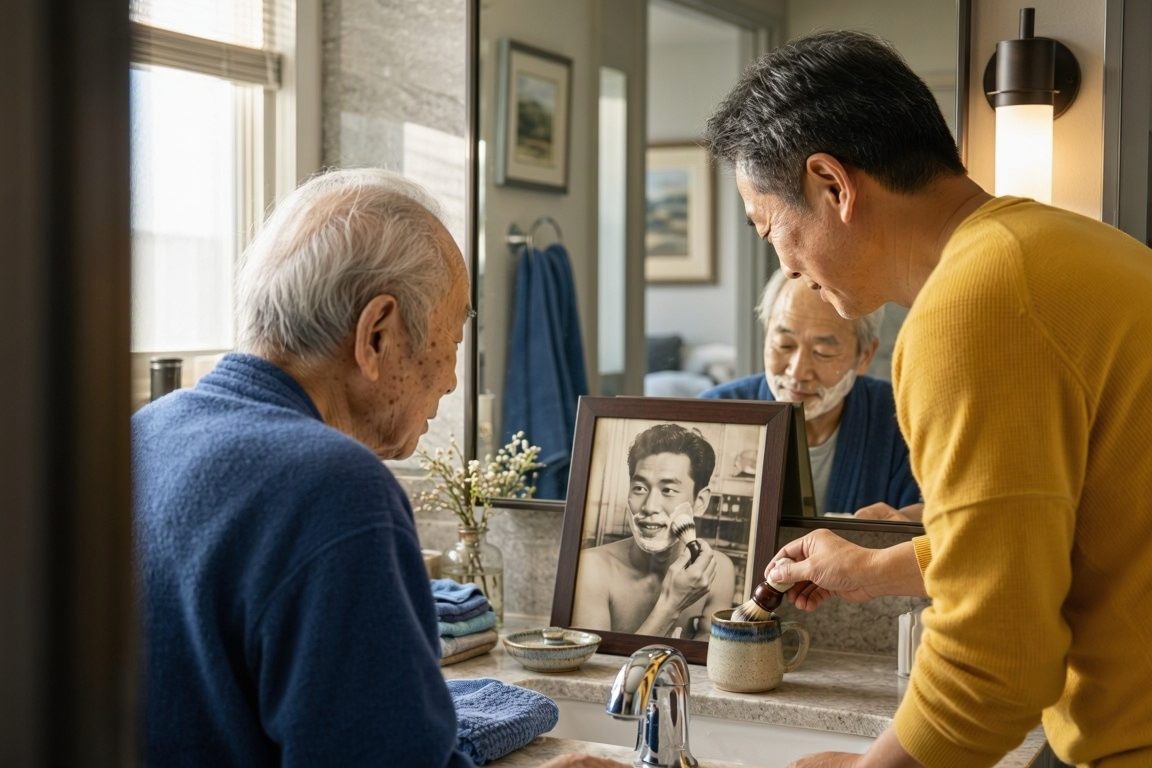
- Use old photos and familiar objects to spark recognition and calm, especially during stressful care tasks like bathing or doctor visits.
- When care is refused, stop, ask what they need, and offer two choices based on their history, this restores a sense of control.
Videos
 Carrie Aalberts Founder & Creator of 'Dementia Darling'Carrie shares practical, heartfelt advice on how to connect with your loved one by honoring their personal story, including exact phrases to use during care.
 An Interview with Leah Waller of DementiaTLCLeah demonstrates how to use a person's life history to create a calming care environment, with step-by-step examples for bathing and dressing.
 6 ways to make dementia care tasks easier: Respect and Dignity in dementia careThis video shows six concrete techniques that rely on knowing the person's preferences, from using their favorite music to adjusting the pace of care.
 How to cope when someone with dementia forgets who you areExplains how to use old photos and shared memories to reconnect when recognition fades, with compassionate scripts for those painful moments.
Background
Why Person-Centered Care Starts with Knowing Their Story
Person-centered dementia care isn't a buzzword, it's a proven approach that begins with seeing the person, not just the disease. As the Alzheimer's Association explains, assessment in this model starts by 'valuing the experience of being present with another human being, trying to understand that person's experience, and coming to know the uniqueness of the person.' This means every care decision, from what to eat to how to bathe, should be built on what you know about their life, not on a generic checklist. When you know that your mother always preferred a bath in the evening with lavender soap, you're not just 'getting her clean', you're honoring a lifetime of habit and comfort. That knowledge transforms a potentially scary task into a familiar ritual.
What Happens When You Don't Know, or Assume
Too often, family caregivers assume they know what's best without asking. As one expert from All Home Care Matters warns, 'It's so important to really take the time and talk to our loved ones and not assume things.' When you skip this step, you risk triggering confusion, fear, or outright resistance. For example, if you try to shower your dad in the morning because that's what works for you, but he's always been a nighttime bather, he may feel rushed, invaded, or misunderstood. The result? Agitation, refusal, or even aggression. Worse, you might interpret his reaction as 'dementia behavior' when really it's a perfectly reasonable response to having his routine violated. Knowing his preferences isn't about being nice, it's about preventing conflict before it starts.
How Memory and Emotion Work in Dementia
Dementia doesn't erase emotional memory, even when factual memory is gone. Teepa Snow's Positive Approach to Care highlights a crucial insight: 'People with dementia tend to remember emotionally how they felt about something even though they don't remember accurately what actually happened.' This means that if you approach a care task with warmth, patience, and respect, they will feel safe, even if they can't tell you why. Conversely, if you rush or force something, they may feel frightened or angry, and that feeling will linger. Knowing their history helps you tap into positive emotional memories: playing their favorite music from their youth, using a familiar tone of voice, or offering a food they loved. These small acts build trust and cooperation, because the feeling of being known and cared for is still accessible.
Practical tools
3
All About Me Sheet
A one-page document posted in their room or bathroom. Include:
Update every 3 months. Essential for new caregivers.
Three Good Questions for Every Care Task
Before starting personal care, ask:
Use those exact words and scents to make the task familiar.
Sensory Comfort Kit
A box with
Use proactively at early signs of agitation or during care tasks to create safety.
Different situations
For a spouse vs. adult child caregiver
A spouse may have decades of shared history but may also be grieving the loss of their partner. The adult child may know less about early adult preferences. Spouses should focus on preserving intimate routines (e.g., holding hands during care, using pet names). Adult children should gather stories from other family members and avoid correcting their parent's memories of the child's own childhood.
For someone in early vs. late stage dementia
In early stages, the person can actively participate in creating their life story. Ask them directly: 'What matters most to you?' In late stages, rely on observation and family input. Use sensory cues (favorite music, scents) because verbal communication is limited. For late stage, the life story becomes a tool for the caregiver to maintain connection, not for the person to recall.
For different dementia types (e.g., Alzheimer's vs. Lewy body)
In Lewy body dementia, visual hallucinations and fluctuating cognition are common. Knowing their history helps you distinguish between a hallucination and a real memory. For example, if they see a child in the room, ask: 'Is that someone from your childhood?' This can reduce fear. In frontotemporal dementia, personality changes are early and profound; focus on current preferences (e.g., what they enjoy now) rather than past routines.
For someone living in a facility vs. at home
In a facility, the life story must be shared with all staff. Create a 'This Is Me' document and post it in their room. Visit during care times to model your approach. At home, you have more control but may need to train other family members. In both settings, use the life story to advocate: 'Mom always preferred a shower at night, can we adjust the schedule?'
For long-distance caregivers
If you can't be there in person, create a video call where you ask about memories. Record the call. Then share the recording with the local caregiver. Send a care package with items from their past (e.g., a favorite lotion, a CD of old songs). Use the life story to guide phone conversations: 'I remember you loved gardening, tell me about your roses.'
For the doctor
4
- If your loved one becomes consistently agitated or aggressive during care despite using their preferred routines, discuss with their doctor whether pain, infection, or medication side effects could be contributing.
- If they refuse all food or drink, even familiar favorites, ask the clinician about swallowing difficulties or medication changes that may affect appetite.
- If they show sudden changes in emotional response to familiar people or objects (e.g., fear of a previously loved photo), discuss whether this could indicate a vision or hearing problem, or a new medical issue.
- If you are considering using any calming supplements or aromatherapy (e.g., lavender oil) to support care, check with the clinician for interactions with their current medications.