
Step by step
What not to do
- Do not request risperidone for mild agitation or verbal outbursts alone; use calming activities instead.
- Do not use risperidone for sleep problems; it is not a safe sleep aid, discuss trazodone or melatonin with the clinician.
- Do not give risperidone to someone with Lewy body dementia unless absolutely necessary and under close supervision; consider rivastigmine instead.
- Do not combine risperidone with other sedating medications (e.g., benzodiazepines) without clinician approval.
Key points
- Risperidone has modest evidence for treating severe agitation, aggression, and psychosis in dementia, but it carries serious risks including increased mortality, stroke, and falls.
- Non-drug approaches should always be tried first and continued alongside any medication. They are safer and often effective.
- If risperidone is used, start at the lowest dose (0.25 mg) and use it for the shortest time possible. Monitor closely for side effects.
- Never use risperidone for mild agitation, sleep problems, or verbal outbursts. The risks outweigh the benefits.
- People with Lewy body dementia should generally avoid antipsychotics due to high risk of severe reactions.
- Always work with a clinician to taper off risperidone slowly. Do not stop suddenly.
Videos
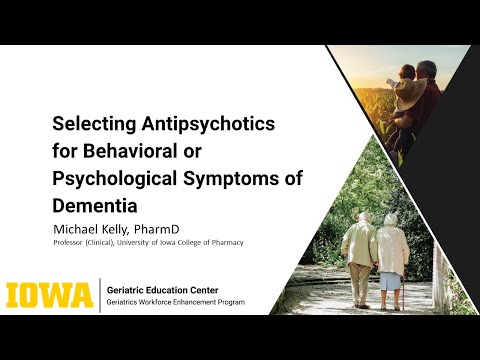 Selecting Antipsychotics for Behavioral or Psychological Symptoms of DementiaThis video helps you understand how clinicians choose which antipsychotic to use and why risperidone is often selected, including its risks and benefits.
 Pharmacologic Management of Neuropsychiatric Symptoms in DementiaThis video provides a broader overview of medication options for BPSD, including when risperidone might be appropriate and what alternatives exist.
 Deprescribing Antipsychotics in Older AdultsLearn why and how doctors safely reduce or stop antipsychotics like risperidone, which is important for long-term management.
 Dementia Problem Solving with Teepa and PAC (DPS)Teepa Snow demonstrates practical, non-drug strategies for managing difficult behaviors, which should be tried before considering medication.

Background
What Is Risperidone and Why Is It Used for BPSD?
Risperidone is an atypical antipsychotic medication that works by blocking dopamine and serotonin receptors in the brain. It is one of the most studied drugs for treating behavioral and psychological symptoms of dementia (BPSD), such as aggression, agitation, hallucinations, and delusions. Some large randomized trials have shown that risperidone can reduce these symptoms in people with Alzheimer's disease or mixed dementia, especially at low doses (0.25 to 1.5 mg per day). However, the evidence is not consistent across all studies, and the benefits are often modest.
The Serious Risks You Must Know About
The U.S. Food and Drug Administration has issued a safety alert for all atypical antipsychotics, including risperidone, because they are associated with an increased risk of death in older adults with dementia. Most deaths are due to cerebrovascular events (like stroke) or infections. Research also shows that these drugs can cause or worsen confusion, increase the risk of falls, and may accelerate cognitive decline. For people with Lewy body dementia, antipsychotics are relatively contraindicated because they can trigger neuroleptic malignant syndrome, a potentially fatal condition. Because of these risks, regulations in many countries state that antipsychotics should only be considered when BPSD symptoms present a danger to the person or others, and only after non-drug approaches have been tried.
Why Non-Drug Approaches Should Come First
Experts and organizations like the Alzheimer's Association strongly recommend trying nonpharmacological strategies before any medication. These person-centered approaches focus on understanding what might be causing the behavior, such as pain, hunger, boredom, or an uncomfortable environment, and addressing those triggers. Simple changes like adjusting the lighting, playing calming music, or using a reassuring tone of voice can make a big difference. Many families and care providers find that these methods reduce agitation without the serious side effects of drugs.
Practical tools
5
Behavior Tracking Log
Chart with columns: date, time, trigger, behavior, response, outcome. Share with clinician to monitor trends.
Calming Phrases & Activities
When upset: 'I'm here. You are safe. Let's breathe.' Offer music, photo album, hand massage, walk, or simple puzzle.
Environmental Checklist
Daily:
Clinician Discussion Guide
Before appointment:
Emergency Warning Signs Card
Print:
Keep on refrigerator.
Different situations
Lewy body dementia or Parkinson's disease dementia
Antipsychotics are relatively contraindicated because they can worsen motor symptoms and trigger neuroleptic malignant syndrome. If absolutely necessary, use the lowest dose of an antipsychotic with weaker dopamine blockade (like quetiapine) and monitor very closely. Discuss cholinesterase inhibitors (e.g., rivastigmine) as a first-line option for hallucinations.
Late-stage dementia (severe cognitive decline)
Non-drug approaches become even more critical. Focus on comfort: gentle touch, soothing music, and a calm environment. Medication risks are higher due to frailty. If risperidone is used, start at 0.25 mg and monitor for sedation and falls. The goal is not to eliminate all behaviors but to keep the person safe and comfortable.
Family caregiver vs. paid caregiver in a facility
Family caregivers should advocate for non-drug strategies first and ask for a clear plan. In a facility, request a behavior management plan and regular team meetings. If the facility pushes medication, ask for a second opinion from a geriatric psychiatrist. You have the right to refuse medication and to request non-drug interventions.
Person has a history of stroke or heart disease
Risperidone is especially risky because it increases the chance of another stroke or heart attack. Discuss alternative medications like citalopram (for agitation) or trazodone (for sleep) with the clinician. If risperidone is used, start at the lowest dose and monitor blood pressure and neurological status closely.
Person is on other medications that affect the brain (e.g., benzodiazepines, antidepressants)
Combining risperidone with other central nervous system depressants increases the risk of falls, confusion, and breathing problems. Provide the clinician with a complete medication list. The clinician may need to adjust doses or choose a different medication to avoid interactions.
Common questions
9
Which behavioral symptoms are most common and distressing in hospitalized dementia patients?
The guide does not specify which behavioral symptoms are most common in hospitalized dementia patients; focus on severe agitation, aggression, and psychosis as key symptoms to address with your care team.
Which behavioral symptoms cause the most care complications during a hospital stay?
The guide does not detail complications by symptom type, but severe agitation and aggression often lead to safety risks and longer hospital stays; alert the hospital staff immediately if these occur.
How do conceptual models explain BPSDs?
The guide does not explain conceptual models for BPSD; instead, it emphasizes trying non-drug approaches first and always working with a clinician for medication decisions.
Which BPSD are associated with more care complications in hospital?
The guide does not list which BPSD cause more hospital complications, but it warns that risperidone is only for severe symptoms, never for mild agitation or sleep issues.
How can a caregiver find a physician who will oversee cannabinoid treatment for dementia?
The guide does not discuss cannabinoid treatment; for any medication questions, ask your loved one's primary doctor or a geriatric psychiatrist experienced in dementia care.
Does risperidone affect cognitive function in elderly patients with dementia?
Yes, risperidone can affect cognitive function and carries serious risks like increased falls and confusion; start at 0.25 mg only if needed and monitor closely.
Which treatments are contraindicated for behavioral and psychological symptoms of dementia?
Antipsychotics like risperidone are generally contraindicated for people with Lewy body dementia; also, avoid risperidone for mild agitation, sleep problems, or verbal outbursts.
What are the risks and tolerability of risperidone in elderly patients?
The risks of risperidone include increased mortality, stroke, falls, and severe reactions, especially in Lewy body dementia; it should only be used at the lowest dose for the shortest time.
Should I consider risperidone for my loved one with Alzheimer's psychosis?
Only consider risperidone for Alzheimer's psychosis if severe agitation or aggression persists after trying non-drug approaches, and always start at 0.25 mg with close monitoring for side effects.
For the doctor
7
- Ask: 'What is the specific target symptom we are trying to treat with risperidone, and how will we measure success?'
- Ask: 'What is the lowest effective dose for my loved one, and how quickly will we increase it?'
- Ask: 'What are the signs of a stroke or neuroleptic malignant syndrome that I should watch for?'
- Ask: 'How long should we try this medication before deciding if it's working?'
- Ask: 'When will we try to reduce or stop the medication?'
- Ask: 'Are there safer alternatives like citalopram, trazodone, or a cholinesterase inhibitor that we could try first?'
- Ask: 'How will we monitor for side effects like falls, confusion, or stiffness?'