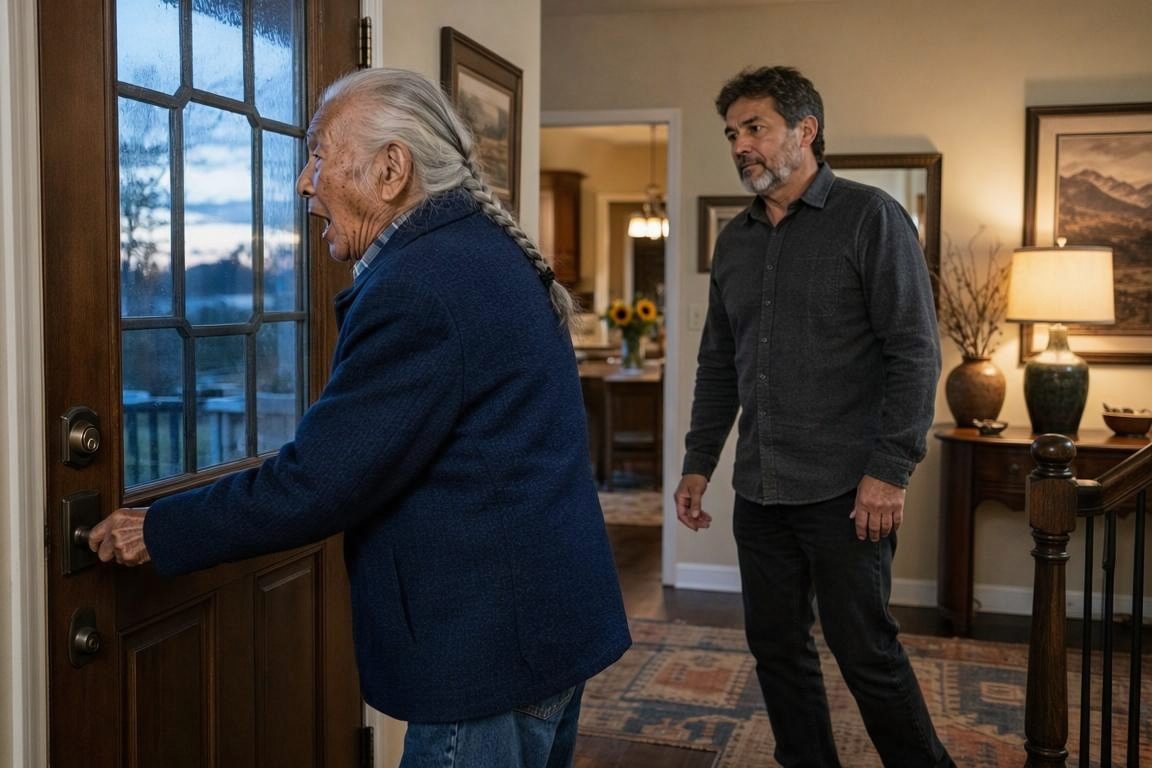
Step by step
What not to do
- Do not say 'Calm down.' This phrase often triggers defensiveness and makes the person feel dismissed.Instead, say 'I can see you are upset. I am here to help.'
- Do not argue or correct them. Even if they are wrong about a fact (e.g., 'You are not my daughter'), arguing will only escalate their frustration.Instead, validate the feeling behind the statement: 'You are feeling confused. I am here with you.'
- Do not raise your voice or use a harsh tone. Your loved one will mirror your emotional state. If you sound angry, they will feel more threatened. Use a soft, slow, warm voice instead.
- Do not try to physically restrain them unless there is an immediate danger to life. Restraint often increases fear and aggression.Instead, give them space and remove hazards from the area.
- Do not take the anger personally. Remember that the behavior is a symptom of the disease, not a reflection of their feelings about you. They are lashing out because they are overwhelmed, not because they are angry at you.
- Do not use long explanations or multiple-step instructions. Their brain cannot process complex information during distress. Keep your sentences short and simple: 'Let us sit down' or 'Here is your water.'
Key points
- Anger in dementia is a symptom of overwhelming feelings, loss of control, frustration, or fear, not a personal attack.
- Your calm, slow, gentle response is the most powerful tool you have to de-escalate the situation.
- Validate the feeling behind the anger, then redirect to a familiar, comforting activity or object.
- Never argue, correct, or use long explanations during an outburst, it will only make things worse.
- After the crisis, take care of yourself. Caregiver burnout is real, and you need support too.
- Personalize your approach based on the type of dementia, the stage, and your relationship with the person.
Videos
 What Stage of Alzheimer's is Anger?Helps you understand when anger typically appears in the disease progression, so you can plan ahead.
 How To Deal With Angry Dementia ParentOffers practical, real-world strategies for handling anger from a parent, including scripts to use.
 217. 3 Dementia Caregiver Tips: How To Control Anger, Deal With Paranoia & SundowningCovers anger alongside paranoia and sundowning, giving you a broader toolkit for common triggers.
 At What Stage Do Alzheimer's Patients Become Aggressive?Clarifies the timeline of aggression, helping you set realistic expectations and prepare.


Background
Why Anger Erupts in Dementia
Anger and aggression in dementia are almost never intentional. The person’s brain has lost the ability to control impulses, rationalize, or recognize that their behavior is inappropriate. Instead, anger is a reaction to deep feelings: the loss of control over their own body or environment, frustration at not being able to complete a task, or fear when they cannot understand what is happening around them. They may not even realize they have limitations, so when something feels impossible or threatening, they lash out as a reflex. This is not a personal attack, it is a symptom of a brain that is struggling to make sense of the world.
The Role of the Caregiver in the Moment
Your own reaction matters enormously. If you respond with frustration, raised voice, or a tense posture, the person with dementia will pick up on those cues and feel even more threatened, which can escalate the situation. The goal is not to win an argument or to correct their perception, it is to make the distress as short as possible. By staying calm, using a gentle tone, and focusing on what is behind the anger (the frustration, the fear, the loss), you can help your loved one feel safe and understood. This approach does not mean you are giving in; it means you are strategically de-escalating so that the real problem can be addressed.
What Triggers an Outburst in an Emergency
Emergencies, like a fall, a sudden change in routine, a loud noise, or an unfamiliar caregiver, can overload the person’s already fragile coping system. Their brain cannot process the extra stress, so frustration builds quickly into anger. Common triggers include: being rushed, being asked to do something they no longer understand (like getting dressed or taking medication), feeling pain or discomfort they cannot communicate, or sensing that something is wrong but not knowing what. In these moments, the anger is a cry for help, not a choice.
Practical tools
6
The Validation Script
A three-step verbal tool: (1) Name the feeling: 'You seem really frustrated right now.' (2) Validate the struggle: 'This is hard, I know.' (3) Offer partnership: 'I am here to help you. We will handle this together.' Practice this script so it becomes automatic.
The Comfort Object Kit
Keep a small bag or box with items that are familiar and calming to your loved one:
In an outburst, hand them one of these objects and say, 'Here, this is yours. It is safe.'
The 'Look for It' Redirect
If the anger is about a lost or stolen item (a common trigger), do not argue. Instead, say, 'Oh no, let us look for it together.' Then guide them to a different room or activity while you 'search.' This validates their concern without feeding the delusion.
The Two-Choice Menu
When the person is resisting care (e.g., bathing or eating), offer two simple, positive options: 'Do you want to take your bath now or after your show?' or 'Would you like to sit in the blue chair or the green chair?' This restores a sense of control without overwhelming them.
The Sensory Reset
If the environment is overstimulating (loud TV, bright lights, many people), reduce sensory input.
A calm environment can lower agitation quickly.
The Caregiver Self-Soothing Kit
Keep a small notebook or phone note with three things:
Use this after an outburst to reset your own emotions.
Different situations
Lewy body dementia
People with Lewy body dementia often have visual hallucinations and extreme sensitivity to medications. Anger may be triggered by frightening visual experiences. Respond by acknowledging the hallucination without arguing: 'I see you are scared. That must be very upsetting.' Then redirect to a safe, familiar activity. Avoid antipsychotic medications unless prescribed by a clinician, as they can worsen symptoms.
Frontotemporal dementia (FTD)
FTD often affects the frontal lobes early, leading to impulsivity, loss of empathy, and aggressive outbursts that may seem out of character. The person may not feel remorse afterward. Do not take it personally. Use very short, direct commands. Avoid emotional reasoning. Focus on safety and redirection. Structured routines can help reduce triggers.
Late-stage Alzheimer's
In late stages, the person may be nonverbal or have limited mobility. Anger may show as moaning, hitting, or resisting care. Check for pain, hunger, thirst, or discomfort first. Use gentle touch and a soft voice. Keep the environment very calm. If they are bedridden, reposition them slowly and talk them through each step.
Spouse vs. adult child caregiver
Spouses may feel a deeper sense of loss and personal hurt when anger erupts, as they remember the person they once knew. Adult children may feel guilt or resentment. Both need to remind themselves that the behavior is a symptom. Spouses may benefit from couples counseling or support groups. Adult children should set boundaries and take regular breaks to avoid burnout.
In a facility or with a professional caregiver
Professional caregivers should follow the same principles but also document triggers and effective responses in the care plan. Family members should share what works at home. In a facility, ensure the person has a consistent routine and familiar objects. If aggression is frequent, request a team meeting with the care staff and a dementia specialist.
For the doctor
4
- If anger outbursts become frequent or dangerous (e.g., hitting, biting, throwing objects), ask the doctor about possible medical causes like pain, infection, or medication side effects.
- If the person is on antipsychotic or mood-stabilizing medications, discuss the risks and benefits with the clinician. Do not stop or change medications without medical guidance.
- If you feel unsafe or overwhelmed, talk to your doctor about respite care, in-home support, or a temporary stay in a memory care unit. Your safety matters.
- If the person has a history of violence or self-harm, ask the clinician for a referral to a behavioral health specialist who works with dementia.