
Step by step
What not to do
- Do not ignore or dismiss dream enactment episodes as just 'bad dreams' or 'acting out.' This can delay diagnosis of a potentially serious underlying condition like Parkinson's or Lewy body dementia.Instead, take it seriously and document the episodes for the doctor.
- Do not try to wake the person during an episode. They are in a dream state and may be confused, frightened, or even aggressive.Instead, speak in a calm, soothing voice and wait for them to settle back to sleep naturally.
- Do not assume that because the person is older, sleep problems are normal. While sleep changes with age, RBD is not a normal part of aging and requires medical evaluation. Many caregivers mistakenly think it's just 'old age' and miss the chance for early intervention.
- Do not use over-the-counter sleep aids or antihistamines without consulting a doctor. These can worsen RBD or interact with other medications. Always check with a healthcare provider before giving any sleep supplement.
- Do not blame the person for the behavior. They have no control over it and may be embarrassed or frightened by what they do in their sleep.Instead, provide reassurance and focus on safety and medical care.
- Do not forget to protect yourself as a caregiver. If the person's movements are violent, consider sleeping in a separate bed or room temporarily. Your safety is important too. Use a baby monitor or camera to keep an eye on them from a safe distance.
Key points
- Being male and over 50 is the strongest demographic risk factor for REM sleep behavior disorder.
- RBD is closely linked to alpha-synuclein neurodegenerative diseases like Parkinson's, Lewy body dementia, and multiple system atrophy, often appearing decades before other symptoms.
- Certain medications, especially antidepressants, can trigger or worsen RBD; always review medications with a doctor.
- A sleep study (polysomnogram) is the gold standard for diagnosis and should be considered if RBD is suspected.
- Creating a safe sleep environment is critical to prevent injury during episodes; remove hazards and use protective bedding.
- Treatment options include melatonin (safer for older adults) and low-dose clonazepam (use with caution due to fall risk).
- RBD is not a normal part of aging; it requires medical evaluation and follow-up to monitor for associated conditions.
Videos
 Kicking or Punching in Sleep? Don't Let This Be Missed: Sleep Behavior & Parkinson's/Lewy DementiaThis video directly addresses RBD and its strong connection to Parkinson's and Lewy body dementia, explaining why it's a critical early sign to watch for.
 Do Sleep Medications Increase Dementia Risk? | Dr. Yue Leng, UCSFThis video discusses how sleep medications may affect dementia risk, which is relevant for understanding medication-related risk factors for RBD.
 Sleep and DementiaThis video provides an overview of sleep issues in dementia, including RBD, and offers practical strategies for caregivers.
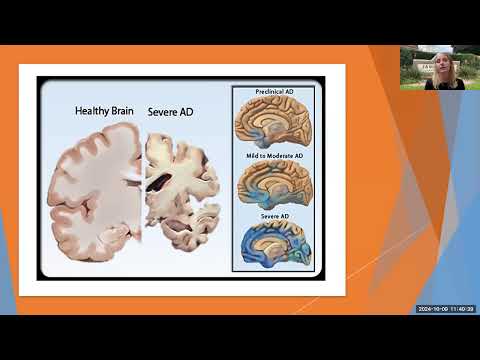 Coping with Sundowning & Sleep Issues as a Dementia CaregiverThis video covers general sleep challenges in dementia caregiving, which can complement understanding of RBD-specific risks and management.

Background
What Increases the Risk of REM Sleep Behavior Disorder?
REM sleep behavior disorder (RBD) is more common in certain groups and situations. The strongest risk factor is being male and over 50 years old, though recent research shows more women are being diagnosed as awareness grows. This age and gender pattern is thought to be linked to underlying changes in the brain that happen with aging, particularly in areas that control muscle paralysis during REM sleep. If you or a loved one is in this demographic and starts acting out dreams, it's important to take it seriously and discuss it with a doctor.
The Strong Link to Neurodegenerative Diseases
One of the most significant risk factors for RBD is the presence or future development of a neurodegenerative disease, especially those involving a protein called alpha-synuclein. These include Parkinson's disease, dementia with Lewy bodies, and multiple system atrophy. In fact, RBD can appear decades before other symptoms of these diseases, sometimes 30 years or more in men. The connection is so strong that RBD is often considered an early marker or precursor to these conditions. If you or a family member has RBD, it does not mean they will definitely develop one of these diseases, but it does mean regular follow-up with a neurologist is essential.
Other Contributing Factors: Medications, Sleep Disorders, and Lifestyle
While the neurodegenerative link is strongest, other factors can contribute to or mimic RBD. Certain medications, particularly some antidepressants and other psychiatric drugs, can trigger RBD-like symptoms. Coexisting sleep disorders, such as obstructive sleep apnea or narcolepsy, can also increase risk or worsen symptoms. Additionally, lifestyle factors like alcohol use, caffeine, and tobacco can disrupt sleep architecture and potentially contribute. It's also worth noting that sleep disturbances are common in dementia generally, affecting up to 45% of people with Alzheimer's, but RBD is specifically tied to the alpha-synuclein diseases. If you notice dream enactment, always consider whether the person is on any new medications or has other sleep issues like snoring or daytime sleepiness.
Practical tools
6
Sleep Diary Template
Create a simple log with columns for date, time of episode, what the person did (e.g., 'punched pillow,' 'yelled for help'), any known triggers (e.g., 'had wine with dinner'), and how long it lasted. Bring this to every doctor's appointment.
Safe Sleep Environment Checklist
Use this to assess the bedroom:
Review the checklist weekly.
Doctor Discussion Guide for RBD
Print this list of questions to ask:
Calming Bedtime Routine Card
Write a step-by-step routine on an index card:
Post it on the bathroom mirror as a reminder.
Safety Alarm or Baby Monitor
Use a video baby monitor or a motion-sensor alarm on the bed to alert you if the person gets up during an episode. This allows you to respond quickly without being in the room and potentially getting hurt.
Support Group Contact List
Compile a list of local or online support groups for RBD, Parkinson's, or Lewy body dementia. Include
Keep it in your phone or on the fridge for easy access.
Different situations
For someone with Lewy body dementia or Parkinson's disease
RBD is extremely common in these conditions, affecting up to 90% of people. The sleep disorder may appear years before other symptoms. Focus on safety and early neurological follow-up. Melatonin is often preferred over clonazepam because it has fewer side effects and doesn't worsen balance or cognition. Also watch for hallucinations or fluctuating alertness, which are common in Lewy body dementia.
For a spouse caregiver vs. an adult child caregiver
Spouses may be at higher risk of injury because they share a bed. Consider separate sleeping arrangements if episodes are violent. Adult children may need to coordinate with other family members to help with nighttime supervision. Both should prioritize their own sleep and mental health; caregiver burnout is real. Use respite care or ask for help from friends or home health aides.
For someone living in a facility or nursing home
Inform the staff about the RBD diagnosis and the person's specific behaviors. Request that the room be made safe (no sharp objects, low bed). Ask that staff not try to wake the person during episodes but instead use calming verbal reassurance. Ensure the care plan includes a consistent bedtime routine and avoids sedatives that could worsen confusion or fall risk.
For someone with early-stage Alzheimer's disease
RBD is less common in Alzheimer's than in Lewy body dementia, but it can still occur. If dream enactment appears, it's important to rule out other causes like sleep apnea or medication side effects. Focus on sleep hygiene and safety. Discuss with the doctor whether a sleep study is warranted, as treatment may differ from that for Parkinson's-related RBD.
For someone who is on multiple medications (polypharmacy)
Many drugs, especially antidepressants (like SSRIs and SNRIs), can trigger or worsen RBD. Work with the doctor to review all medications and consider whether any could be contributing. Never stop a medication abruptly. A gradual change under medical supervision may reduce symptoms. Also watch for interactions with sleep aids or other sedatives.
For the doctor
5
- Ask your doctor whether a sleep study (polysomnogram) is recommended to confirm the diagnosis of RBD and rule out other sleep disorders like sleep apnea.
- Discuss the risks and benefits of using clonazepam or melatonin for RBD, especially if the person is older or has balance problems, as these can increase fall risk.
- Inquire about the possibility of underlying neurodegenerative disease, such as Parkinson's or Lewy body dementia, and what early signs to watch for.
- Ask whether any current medications (e.g., antidepressants, beta-blockers) could be contributing to the RBD symptoms and if a change is appropriate.
- Request a referral to a neurologist or sleep specialist for ongoing management and monitoring, especially if RBD appears before other neurological symptoms.