Step by step
What not to do
- Do not try to redirect too quickly. Skipping the validation step and jumping straight to a distraction often backfires because the person is still focused on their goal.Instead, take 2 minutes to acknowledge their emotion first. This small investment can save you 15 minutes of struggle.
- Do not argue or correct their reality. Saying 'We are already home' or 'Your mother died 10 years ago' will only increase their confusion and distress. They are experiencing a different reality, and arguing will make them feel unheard and more agitated.Instead, validate the emotion behind the words.
- Do not use a loud or urgent voice. If you sound panicked, your amygdala will trigger theirs, escalating the situation. Speak slowly and softly, using a calm tone. As Teepa Snow says, 'use your body as a cueing system', lower yourself to their eye level, use gentle touch, and keep your movements slow.
- Do not physically block or restrain them unless absolutely necessary for safety. Blocking their path can feel threatening and increase their determination to leave.Instead, join them in their search and gently guide them in a different direction.
- Do not use complex explanations or multiple-step instructions. Their cognitive load is already high. Keep your language simple and concrete. Instead of 'Let's go sit down and have a cup of tea while we wait for the rain to stop,' say, 'Come with me. Sit here. Here's your tea.'
- Do not ignore the behavior or hope it will pass on its own. Seek mode is driven by an unmet need, and ignoring it can lead to escalation, including exit-seeking or physical agitation. Address the emotion first, then redirect.
Key points
- Seek mode is driven by an unmet emotional or physical need, not by willfulness. Always start by validating the emotion.
- Never argue or correct their reality. Instead, join their search: 'Let's look together.' This reduces opposition.
- Use the 'delay and redirect' technique: offer a small detour (snack, restroom) before guiding them to a different activity.
- Keep your language simple and your movements slow. Use one-step commands and a calm, low voice.
- Environmental cues (signs, decals, motion lights) can help prevent exit-seeking, especially at night.
- Personalize your approach based on the dementia type, stage, and setting. What works for one person may not work for another.
Videos
 How to redirect difficult dementia behaviors (3 mistakes to avoid)This video directly addresses the common mistakes caregivers make when trying to redirect, including the critical error of redirecting too quickly. It provides a clear framework for a smoother transition.
 3 steps to stop difficult dementia behaviors using redirectionThis video breaks down the three-step validation and redirection process in a simple, repeatable format that you can use immediately in seek mode situations.
 Dementia Wandering: Prevention + What to Do If They Go Missing | Dr. Khushboo VermaThis video covers practical prevention strategies for exit-seeking behavior, including environmental modifications and what to do if the person does leave the home.
 Time with Teepa: How Can We De-escalate Someone That is Agitated?Teepa Snow demonstrates how to use body positioning and non-verbal cues to de-escalate agitation, which is essential when someone is in seek mode and becoming distressed.
2 more videos
 Time with Teepa - Why Do They Want to Go Home?This video specifically addresses the 'I want to go home' seek mode behavior, explaining the emotional need behind it and how to respond without arguing.
 How to Provide Support When Physical Resistance Presents | Teepa's ClipsIf seek mode escalates to physical resistance, this video shows how to support the person safely while minimizing distress for both of you.
Background
What is Seek Mode and Why Does It Happen?
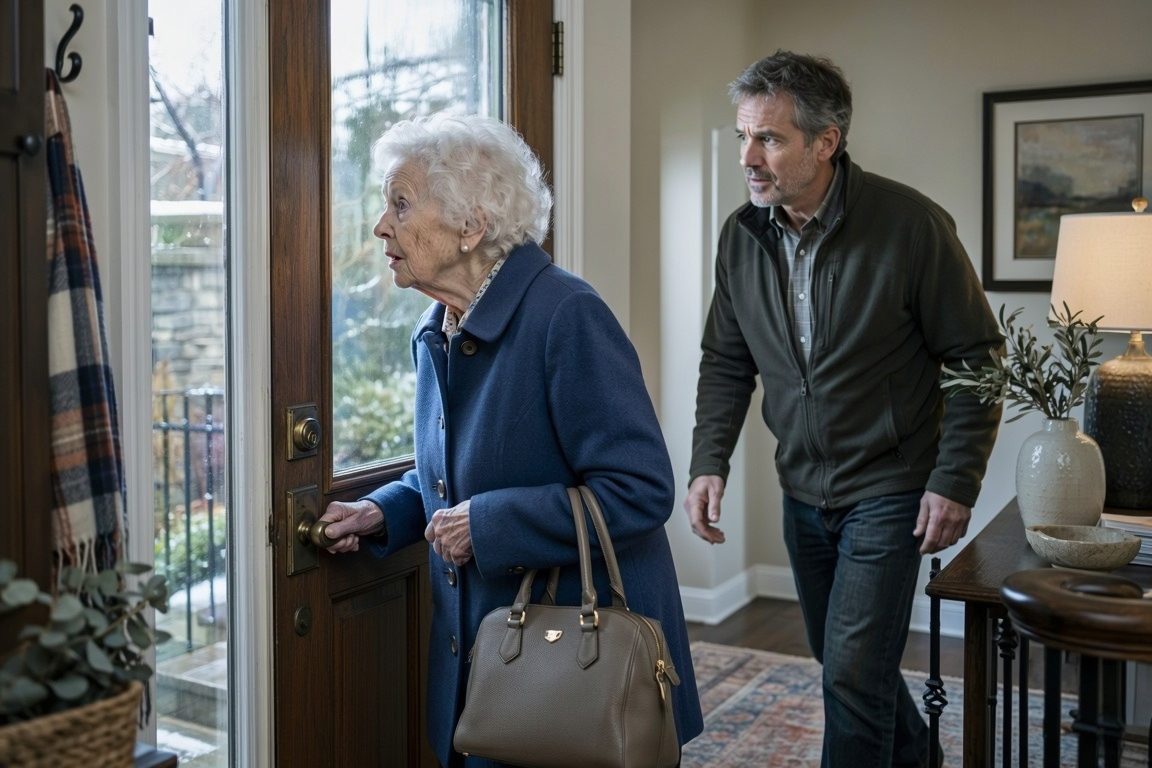
Seek mode is a state where the person's primitive brain (amygdala) has taken over because they feel uncomfortable, in pain, or threatened. They cannot find what they need, a familiar face, a safe place, a sense of control, so they become intensely focused on searching. This can look like pacing, trying to leave the house, asking repeatedly to 'go home,' or looking for a deceased loved one. The behavior is not about logic; it is about an urgent, emotional need for safety or comfort. As Teepa Snow explains, when someone is in seek mode, 'their amygdala is not getting what it likes, wants or needs. It's worried, and it feels threatened.'
Why Immediate Redirection Often Backfires
A natural instinct is to quickly change the subject or distract the person, for example, offering a snack when they insist on going home. But this often fails because the person is still locked onto their goal. As the Dementia Careblazers note, 'trying to redirect too quickly... the behavior is actually likely to last longer.' The person feels unheard and pushes back harder. Instead, you need to first acknowledge their reality, then gently guide them toward a different activity. Skipping the validation step can leave you stuck in a 15-minute struggle instead of a 2-minute connection.
The Core Principle: Validate, Then Redirect
The most effective approach is a three-step process: validate the emotion, delay and redirect. First, acknowledge what they are feeling without arguing. For example, 'I hear you. You miss your home.' Then, offer a small, reasonable detour: 'That's a long way to go. Would you like to use the restroom first, or grab a snack before we leave?' This buys time for the urge to pass. If they still insist, you can join their search: 'Let's look together.' This reduces opposition and turns you into a teammate, not an adversary. The goal is not to stop the behavior instantly, but to gently guide it toward something safer.
Practical tools
6
The 'Let's Look Together' Script
When your loved one is insistent on leaving or finding someone, use this phrase: 'I hear you. You want to go home. Let's look together.' This turns you into a teammate. Then add a small detour: 'But first, let's check the kitchen: I think I left something there.' This buys time and shifts the focus without direct confrontation.
The 'Delay and Redirect' Checklist
A quick mental checklist: (1) Validate: 'You miss your home.' (2) Delay: 'That's a long way. Would you like a snack first?' (3) Redirect: 'Let's go to the kitchen together.' Keep the choices simple and binary (e.g., 'Would you like tea or water?'). This gives them a sense of control while you guide them.
Environmental Cues for Safety
Use visual cues to reduce exit-seeking. Place a 'Do Not Enter' sign on the door at their eye level, or use a decal that looks like a stop sign. Camouflage the door with a curtain or a mural. For nighttime, use a motion-sensor light that turns on when they approach the door, which can startle them enough to pause.
The 'Comfort Kit' for Seek Mode
Prepare a small bag or basket with items that soothe their specific need. For someone seeking 'home,' include a familiar photo, a soft blanket, or a favorite snack. For someone looking for a deceased spouse, include a piece of their clothing or a scented item. Offer these items as part of the redirection: 'Here, let's look at this photo while we wait.'
Body Positioning Technique
When they are agitated, lower yourself to their eye level or slightly below. Stand to the side rather than directly in front of them, which can feel confrontational. Use a gentle touch on the arm or shoulder to guide them. As Teepa Snow demonstrates, 'by being downward, he can see me', this reduces the threat and makes your presence calming.
The 'One-Step Command' Method
Break every action into a single, simple step. Instead of 'Let's go sit down and have a cup of tea,' say 'Come with me.' Then, after they follow, say 'Sit here.' Then, 'Here's your cup.' This reduces cognitive load and makes it easier for them to comply without confusion.
Different situations
Lewy Body Dementia (LBD)
People with LBD are more sensitive to visual hallucinations and may be seeking something they 'see' that isn't there. Validate the hallucination without agreeing: 'I see you're looking at something. That must be confusing.' Then redirect to a well-lit area with minimal visual clutter. Avoid sudden movements or loud noises, which can trigger more hallucinations. Use the 'delay and redirect' technique with extra patience, as they may take longer to process.
Late-Stage Dementia
In late stages, the person may not be able to follow verbal instructions at all. Focus on non-verbal cues: a gentle touch, a calm voice, and leading them by the hand. Use environmental redirection, move them to a different room or offer a familiar object like a stuffed animal. The goal is comfort, not conversation. Do not expect them to understand your words; rely on tone and touch.
Spouse vs. Adult Child Caregiver
As a spouse, you may feel more comfortable using intimate terms like 'honey' or 'sweetie,' but be cautious, these can sometimes increase agitation if the person doesn't recognize you. Use their name or a neutral term like 'dear.' As an adult child, you may need to adopt a more authoritative but gentle tone. Avoid sounding like a parent; instead, use 'we' statements: 'Let's go together.' Both roles benefit from joining the search rather than directing.
In a Facility Setting
In a nursing home or assisted living, seek mode can be triggered by unfamiliar staff, noise, or changes in routine. Work with staff to create a consistent daily schedule and a familiar environment. Use the same validation and redirection techniques, but also alert staff to the person's specific triggers. If they are trying to leave, staff can use a 'walking buddy' system, escorting them on a safe walk around the facility until the urge passes.
Medicaid or Low-Income Settings
If resources are limited, focus on low-cost tools: a homemade 'comfort kit' with family photos, a favorite scarf, or a simple snack. Use natural redirection like going for a walk outside or sitting by a window. Many public libraries offer free activities like puzzles or music. The key is to find what soothes the person without spending money, often, a calm presence and a familiar routine are the most powerful tools.
For the doctor
4
- If seek mode includes aggressive behavior (hitting, pushing, or throwing objects), discuss with a doctor whether medication or a behavioral health referral might help manage the underlying distress.
- If the person is at high risk of elopement (leaving and getting lost), ask the clinician about a GPS tracking device or a medical alert bracelet. Also discuss whether a home safety assessment is needed.
- If seek mode is accompanied by new or worsening hallucinations, delusions, or paranoia, consult a neurologist or geriatric psychiatrist to rule out delirium, infection, or medication side effects.
- If the person is not sleeping at night due to seek mode, discuss sleep hygiene strategies or possible medication adjustments with the doctor. Do not use over-the-counter sleep aids without medical advice.