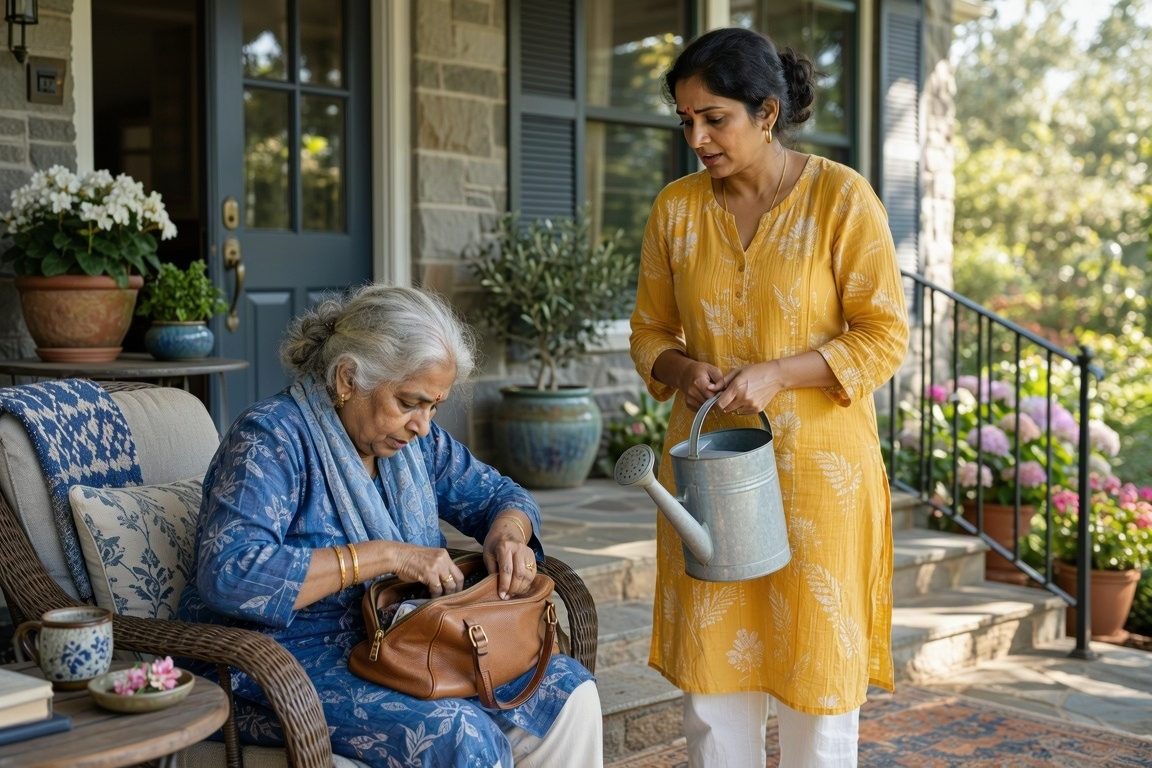
Step by step
What not to do
- Do not try to reason or argue with your loved one about their confusion. Their brain can no longer process logic, and arguing leads to anger, shame, or withdrawal.
- Do not assume that difficult behaviors are intentional or manipulative. Behaviors are driven by brain changes, not choice.
- Do not isolate yourself. Stay connected with at least one person who understands, whether through a support group, a trusted friend, or an online forum.
- Do not neglect your own physical health. Protect at least one healthy habit a day and keep your own check-ups on the calendar.
- Do not try to learn everything about dementia at once. Focus on one or two specific challenges you are facing right now.
- Do not expect the same approach to work every time. Stay flexible and adjust your approach as the person in front of you changes.
Key points
- The most challenging step is moving from unawareness to awareness of what dementia care really requires, and this is a normal, expected part of the journey.
- Learning what NOT to do (avoid arguing, correcting, reasoning) is more important in the beginning than learning what to do.
- Trying harder often makes things worse; instead, use validation and redirection to reduce conflict.
- You are not alone: support groups, training courses, and consultations are available and can make a significant difference.
- Self-care is not optional; it is essential for sustaining your ability to care for your loved one.
- The journey has stages, and every caregiver can reach a place of greater calm and confidence with the right tools and mindset.
Videos
 Stages Of Dementia Caregiving: From Chaos To CalmThis video directly explains the three stages of caregiving awareness, which is the core of this article. It helps you identify where you are and what to expect next.
 Dementia Caregivers Only Learn This the Hard WayThis video covers the hard lessons that caregivers often learn through trial and error, including the importance of knowing what not to do. It reinforces the key message of this article.
 Top 5 Caregiving Mistakes to Stop Doing TodayThis video lists common mistakes and how to avoid them, which aligns with the 'what not to do' section and provides actionable alternatives.
 How To Use Baby Doll Therapy For Dementia And Alzheimer’sThis video offers a specific tool (baby doll therapy) that can be used for comfort and redirection, especially in middle to late stages. It is a concrete example of a non-pharmacological intervention.
2 more videos
 Caregiver stress related to dementia (Subtitles in Spanish)This video addresses caregiver stress, which is a central theme of the awareness journey. It is also available in Spanish, making it accessible to a wider audience.
 172. How To Transform Dementia Caregiving From Struggle Into SuccessThis video provides a roadmap for moving from struggle to success, which is the ultimate goal of the awareness journey described in this article.
Practical tools
4
The 'Stop, Validate, and Redirect' Method
When your loved one is stuck or upset:
A Simple Daily Caregiver Self-Care Checklist
Place a small checklist on the refrigerator with three questions:
Tick these off for awareness, not perfection.
The 'One Thing' Weekly Learning Rule
Each week, learn one new thing about dementia care that you can apply immediately (e.g., how to respond to repeated questions). Write it down and practice it that week to prevent information overload.
A Pre-Made 'Comfort Kit' for Agitated Moments
Prepare a small bag with items that soothe your loved one:
When agitation rises, offer one or two items before trying conversation.
Different situations
For a spouse caregiver (vs. adult child)
Spouses often struggle with role reversal and the loss of partnership. The advice to 'stop trying harder' can feel like giving up on the relationship. It may help to reframe this as a new way of loving: instead of being a partner in the old sense, you are now a companion who prioritizes comfort and safety. Spouses may also need more support with anticipatory grief, as they are losing a life partner. Consider joining a spousal support group specifically.
For early-stage dementia (mild cognitive impairment)
In early stages, the person may still have insight and awareness. The advice to 'go along with their reality' should be used cautiously, as it may feel patronizing. Instead, focus on collaborative problem-solving: 'I notice you're having trouble with the TV remote. Would you like me to show you a simpler way?' Also, involve them in planning for the future while they can still participate.
For Lewy body dementia (LBD)
LBD often includes visual hallucinations, fluctuating cognition, and movement issues. The advice to 'validate feelings' is critical, but you must also be aware that hallucinations can be frightening. Do not argue about what they see; instead, say 'That must be scary. I'm here with you.' Also, be cautious with medications, as LBD patients can have severe reactions to certain antipsychotics. Discuss all medication changes with a clinician.
For a caregiver living far away (long-distance)
If you are not the primary daily caregiver, your role is different. Focus on educating yourself so you can support the primary caregiver without adding pressure. Use video calls to connect with your loved one in a low-stress way (e.g., reading a poem or showing photos). Avoid giving unsolicited advice; instead, ask 'What do you need from me right now?'
For a caregiver in a facility setting
When your loved one is in a nursing home or assisted living, your role shifts to advocate and visitor. The advice to 'stop trying harder' still applies, but now you must also navigate staff communication. Use the 'validation and redirect' script with staff when you disagree with a care approach. Also, schedule regular visits at times when your loved one is most alert, and bring comfort items from home.
For the doctor
4
- If your loved one is experiencing severe agitation, aggression, or hallucinations, discuss with their doctor whether medication adjustments are needed. Do not start or stop any medication without medical guidance.
- If you are considering using a baby doll or stuffed animal for comfort therapy, ask the clinician if this is appropriate for your loved one's stage and personality, as it may not work for everyone and could cause distress if introduced incorrectly.
- If your loved one has a history of falls or wandering, discuss safety measures such as door alarms, bed rails, or hip protectors with their healthcare provider to ensure they are used correctly and safely.
- If you feel overwhelmed to the point of depression, anxiety, or physical health decline, speak with your own doctor about support options, including counseling, respite care, or medication. Your health matters.