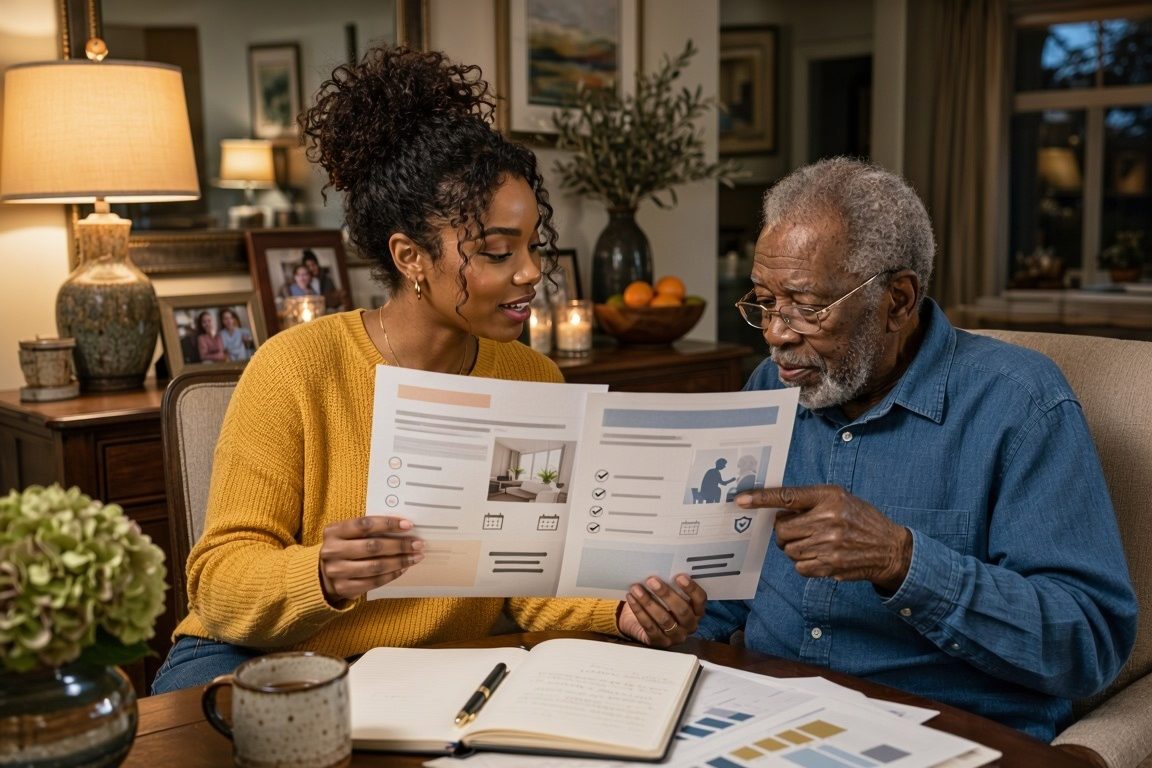
Step by step
What not to do
- Don't skip a background check on a private hire, even if they come highly recommended, theft and abuse are real risks, and a $50 online check is cheap insurance.
- Don't assume an agency handles all details; stay actively involved, observe visits, give feedback, and request a different caregiver if the fit is poor.
- Don't rely on a verbal agreement with a private caregiver; a signed one-page contract covering pay, duties, sick days, and the trial period prevents disputes.
- Don't wait until a crisis to start your search; good caregivers and agencies often have waitlists, and rushed choices rarely work out.
Key points
- Agencies handle vetting, training, backup, and liability, but cost more and often require a minimum of four hours per visit.
- Private caregivers offer more flexibility and potentially lower cost, but you become the employer and must handle background checks, payroll, and backup planning yourself.
- Always start with a trial period, whether using an agency or hiring privately.
- Do not skip a background check for private caregivers, it is a small cost for major peace of mind.
- Create a written care plan and backup plan, and review them regularly as your loved one's needs change.
- A mix of agency and private care can work well, especially if you have funding sources that require an agency for some hours.
Videos
 The Pros and Cons of Hiring Private Caregivers vs. ProfessionalsThis video directly compares the two options, covering cost, reliability, and legal protections. It is a great starting point for understanding the trade-offs.
 Hiring a paid dementia caregiver with Laura Smothers-ChuLaura shares real-world experience and practical tips for hiring a caregiver specifically for someone with dementia, including how to interview and what to watch for.
 32. Navigating the Caregiver Hiring Process: Five Essential Tips / Alzheimer’s and Other DementiasThis video provides a step-by-step guide to the hiring process, with advice on background checks, trial periods, and communication that applies to both private and agency hires.
 Connecting with the CaregiverFocuses on building a positive relationship with the caregiver, which is critical whether you use an agency or hire privately. Includes tips on communication and setting expectations.
2 more videos
 Caring For Aging Parents: Practical Tips & AdvocacyOffers broader advocacy advice that helps you navigate the entire caregiving journey, including how to evaluate and manage paid caregivers.
 The Baffled Brain: Demystifying Dementia Episode 27 June 5 ,2021Discusses dementia-specific challenges that affect caregiver hiring, such as sundowning, communication difficulties, and safety concerns.
Background
What Is the Core Difference Between Private and Agency Caregivers?
When you hire a private caregiver, you become the direct employer. You are responsible for finding, screening, paying, and managing that person. The caregiver works for you, not for a company. This gives you more control over scheduling and can sometimes lower costs, but it also means you take on all the legal and logistical burdens. If the caregiver gets sick or has an emergency, that becomes your emergency because there is no built-in backup. You also need to handle payroll taxes, workers' compensation, and liability insurance yourself, or risk serious financial and legal exposure.
What Does a Home Care Agency Provide?
A home care agency is a business that employs caregivers, runs background checks, provides training, and handles all the administrative and legal details. The agency typically has a 24/7 phone line, a backup plan if a caregiver calls off, and insurance that covers accidents or injuries that happen on the job. The trade-off is that agencies are usually more expensive, often require a minimum of four hours per visit, and you may have less say in which specific caregiver is assigned. However, for many families, the peace of mind and reduced hassle are worth the extra cost.
Why Might You Choose a Mix of Both?
Many families find that a blended approach works best. For example, you might use an agency for a few hours a week to give yourself a regular break, while hiring a private caregiver for additional hours that the agency cannot cover. Some funding sources, like the VA, may require you to use an agency they approve. In other cases, you might start with an agency to get comfortable and later transition to a private caregiver if you find someone you trust. The key is to be clear about your needs and budget, and to have a backup plan for every scenario.
Practical tools
3
Interview Question Script for Caregivers
Bring this list to every interview:
When checking references, ask: 'What were their strengths and weaknesses? Did they call off without notice? Would you hire them again?'
Agency Vetting Checklist
Before signing, confirm the agency is a W-2 employer, carries workers' compensation and liability insurance, runs thorough background checks, and offers 24/7 coverage with a documented backup process. Ask:
Call two current or past families.
Private Hire Setup Checklist
As an employer, you need:
Consider a small camera in common areas with the caregiver's knowledge, transparency helps build trust.
Different situations
If your loved one has Lewy body dementia
Be extra cautious about caregiver training. Lewy body dementia can cause hallucinations, severe fluctuations in cognition, and sensitivity to medications. Ask the agency or private caregiver if they have specific experience with this condition. You may need a caregiver who is calm, patient, and trained in de-escalation techniques. Also, because of the risk of falls, ensure the caregiver knows how to assist with mobility safely.
If you are an adult child living far away
An agency is often the safer choice because they handle vetting, scheduling, and backup. You can also ask the agency to send you daily reports via a secure app or email. If you hire privately, you will need a trusted local contact (a neighbor, friend, or relative) who can check in and handle emergencies. Consider installing a camera system that you can monitor remotely, with your loved one's knowledge and consent.
If your loved one is in early-stage Alzheimer's and still fairly independent
You may only need a few hours of companionship or help with errands each week. A private caregiver might be more flexible and affordable for short shifts (e.g., two hours at a time). However, make sure the caregiver understands the importance of maintaining your loved one's independence and dignity. Avoid caregivers who are overly controlling or who treat your loved one like a child.
If you are on a tight budget and cannot afford an agency
Hiring privately may be your only option, but you must still do a background check and set up a trial period. Consider sharing a private caregiver with another family in your area to reduce costs. Also, look into local nonprofit or faith-based organizations that offer low-cost or volunteer respite care. Do not skip the legal protections, even a small budget can be stretched by a theft or injury.
If your loved one has a history of aggression or wandering
You need a caregiver with specialized training in dementia care and behavior management. An agency can often provide a caregiver with this training and has protocols for handling emergencies. If you hire privately, ask directly about their experience with aggression and wandering, and consider having a second person available during the first few visits. Also, ensure the home is secured (e.g., door alarms, locks) before the caregiver starts.
Common questions
1
What are the pros and cons of hiring a private caregiver versus a professional home care agency?
Agencies handle all the vetting, training, and backup coverage for you, which saves you time and stress, but they cost more and usually require a minimum of four hours per visit.
For the doctor
4
- Ask your loved one's doctor: 'Given my loved one's specific diagnosis and stage, what level of care do they need? Are there any medical tasks (like medication management or wound care) that require a licensed professional?'
- Discuss with a social worker or elder law attorney: 'What are my legal responsibilities if I hire a private caregiver? Do I need to register as an employer, pay payroll taxes, or get workers' compensation insurance?'
- If your loved one has a history of falls or seizures, ask the doctor: 'What safety precautions should the caregiver be trained in? Are there any specific triggers I should warn them about?'
- If you are considering using a nanny cam or other monitoring device, ask the doctor or a legal professional: 'What are the privacy laws in my state regarding recording in a home where care is provided? Do I need to inform the caregiver?'