Step by step
What not to do
- Do not force them to drink or argue about it. Forcing can create a power struggle and make them refuse all fluids.Instead, use gentle encouragement and offer the Jelly Drops as a fun alternative.
- Do not rely only on plain water. Many people with dementia find water boring or tasteless. Offer flavored options like low-sugar fruit juice, milk, or sparkling water. Jelly Drops are sweet and appealing, which can make a big difference.
- Do not leave a full glass of water on a white tablecloth or a white plate. The lack of contrast makes the glass and water nearly invisible to someone with dementia. Use a brightly colored cup or place a colored coaster under the glass.
- Do not limit fluids too much in the evening to prevent incontinence. While you can reduce caffeine after 4 PM, cutting all fluids can lead to dehydration.Instead, offer Jelly Drops or small sips of water early in the evening, and stop about an hour before bedtime.
- Do not assume they are not thirsty just because they don't say so. The thirst mechanism is impaired. You must proactively offer fluids throughout the day, even if they seem fine. Use the Jelly Drops as a scheduled 'treat' to ensure consistent intake.
- Do not use Jelly Drops or any gel product if the person has severe swallowing difficulties (dysphagia) without first consulting a speech therapist. The gel is generally safe, but individual needs vary. Always prioritize safety over hydration.
Key points
- Dehydration is common in dementia because the brain loses the ability to feel thirst. You must proactively offer fluids, not wait for them to ask.
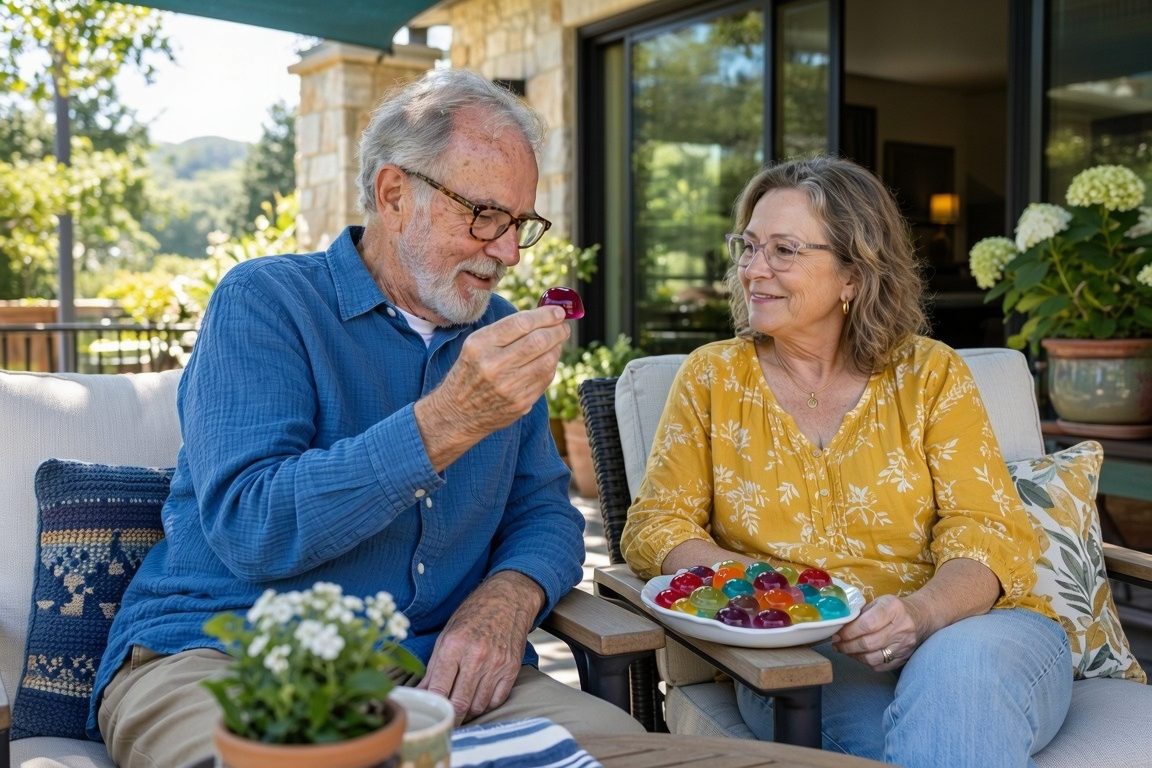
- Jelly Drops are an excellent tool because they are easy to hold, visually appealing, and turn hydration into a fun snack. They reduce spill risk and are safe for most people with mild swallowing issues.
- Use high-contrast plates and cups to help your loved one see the food and drink. Red, yellow, or blue on a white table works well.
- Model the behavior: eat or drink something yourself while they watch. This gentle social cue is often more effective than verbal reminders.
- Pair Jelly Drops with other hydrating finger foods like watermelon, cucumber, and frozen grapes to increase total fluid intake.
- Always consult a speech therapist if you have any concerns about swallowing, especially in later stages or after a stroke.
Videos
 How To Get Someone With Dementia To Drink WaterThis video provides practical tips for encouraging fluid intake, including using straws and keeping drinks visible. It complements the Jelly Drops approach by covering traditional methods.
 How to manage incontinence in dementia patientsDehydration is a major cause of UTIs and incontinence. This video helps you understand the connection and how proper hydration can reduce accidents.
 What is Orthostatic Light Headedness? Dr. Khushboo VermaDehydration can cause dizziness and falls. This video explains orthostatic hypotension and why staying hydrated is key to preventing falls.
 Quick Tips: Mealtime with Dementia (Mini-Series Part 1)Mealtime is a natural time to offer fluids. This video offers strategies for making meals easier, which pairs well with offering Jelly Drops as a dessert or snack.
2 more videos
 The Dangers of Dehydration in SeniorsThis video outlines the serious consequences of dehydration, reinforcing why creative solutions like Jelly Drops are so important.
 5 Things I Learned about Dementia As an Open Heart Patient (+ My Hallucinations!)A personal perspective on how dehydration can worsen confusion and hallucinations. It underscores the need for gentle, engaging hydration methods.
Practical tools
6
Jelly Drops (or homemade gelatin cubes)
These are the star tool. Jelly Drops are commercially available, sugar-free, electrolyte-infused gel candies that look like colorful berries. They are easy to pick up, melt in the mouth, and provide hydration without spilling. You can also make your own by mixing sugar-free gelatin with water or juice and cutting it into small cubes. Store them in the fridge and offer a few at a time.
High-contrast plate or bowl
Use a red, yellow, or bright blue plate to serve the Jelly Drops. This helps the person see the drops clearly. Avoid white or beige plates on a white table. The visual contrast is essential for someone with dementia who has depth perception and color discrimination issues.
Straw cup with lid (e.g., a 'sippy cup' for adults)
If they prefer a straw, use a cup with a built-in straw and a lid to prevent spills. Look for cups with easy-grip handles. This makes drinking easier and less messy. Some cups have a slow-flow mechanism that prevents gulping, which is helpful for those who have trouble swallowing.
Measured water bottle with fun designs
A bottle with time markers (e.g., '8 AM', '10 AM') and bright colors or patterns can serve as a visual reminder. Fill it in the morning and encourage them to finish it by the end of the day. The design can make it feel like a toy or a fun challenge rather than a chore.
Hydrating finger foods
Offer watermelon cubes, cucumber slices, frozen grapes, orange slices, or cantaloupe balls. These are easy to pick up and eat, and they have high water content. Serve them on a colorful plate alongside Jelly Drops. This variety keeps things interesting and increases fluid intake naturally.
Gentle verbal prompts
Use phrases like: 'Let's have a little snack together,' 'I made some juicy treats, want to try one?' or 'These are so refreshing, I love them.' Always model the behavior by eating or drinking yourself. Avoid questions like 'Are you thirsty?' because they may not know. Instead, use statements and invitations.
Different situations
Early-stage dementia (still independent)
Use the measured water bottle with time markers and set a phone alarm to remind them to drink. Offer Jelly Drops as a treat after meals or during TV time. They may still be able to self-monitor, so involve them in choosing flavors. Explain that these help keep them healthy and prevent UTIs.
Middle-stage dementia (needs prompting)
Rely heavily on Jelly Drops and hydrating finger foods. Keep them visible and within reach at all times. Use the high-contrast plate and straw cup. Model drinking and eating frequently. Do not ask if they want water; just offer the drops with a cheerful tone. Watch for signs of dehydration daily.
Late-stage dementia (bedridden or very limited mobility)
Consult a speech therapist before using Jelly Drops or any gel product. If swallowing is safe, offer small pieces of gel on a spoon. Use a syringe or dropper for thin liquids if needed. Prioritize comfort and safety over strict hydration goals. Discuss with hospice or palliative care if the person is near end of life, as forcing fluids can cause aspiration or distress.
Lewy body dementia (with Parkinson's-like symptoms)
Be extra cautious with swallowing, as rigidity and tremors can affect the mouth and throat. Use a straw cup with a lid and a weighted base to prevent spills. Jelly Drops can be helpful because they are easy to hold and don't require precise hand-to-mouth coordination. Offer them in a shallow bowl so they can scoop them up with a spoon if needed.
Vascular dementia (with history of stroke)
Swallowing problems are common after a stroke. Always consult a speech therapist before introducing new textures. Use thickened liquids and gel-based hydration. Monitor for signs of aspiration, such as coughing or wet-sounding voice after eating. Jelly Drops may be safe if the person can manage a soft solid, but individual assessment is critical.
For the doctor
5
- Ask the doctor or a speech therapist: 'Is it safe for my loved one to eat Jelly Drops or homemade gelatin cubes given their current swallowing ability?'
- Discuss: 'What are the early signs of dehydration I should watch for specifically in my loved one, given their other health conditions?'
- Ask the pharmacist: 'Do any of my loved one's medications cause dry mouth or increase the risk of dehydration? Are there any that interact with electrolyte supplements in Jelly Drops?'
- If you notice increased confusion, dark urine, or a fever, contact the doctor immediately. These can be signs of a UTI or severe dehydration requiring medical attention.
- For late-stage dementia, discuss with hospice or palliative care: 'When is it appropriate to stop aggressive hydration and focus on comfort measures only?'