
Step by step
What not to do
- Do not correct or argue about facts.
- Do not talk about them as if they are not in the room.
- Do not use baby talk or a condescending tone.
- Do not ask open-ended questions requiring complex reasoning.
- Do not rush or show impatience.
- Do not ignore their non-verbal cues.
Key points
- Dignity is not lost by dementia; it is affected by how we respond. You have a choice to respond with respect, not react with frustration.
- Use the 'broken arm' analogy: do not ask your loved one to do cognitive work their brain can no longer do. Accept them where they are.
- Always approach from the front, make eye contact, and introduce yourself by name, even if they know you.
- Speak slowly, calmly, and with a warm tone. Never raise your voice. They feel your emotional vibrations.
- Validate emotions before facts. Say, 'I hear you,' instead of correcting them. This preserves connection and reduces agitation.
- Offer simple, limited choices. Give one instruction at a time. Use touch and gestures to support your words.
Videos
 5 TIPS FOR TALKING TO YOUR LOVED ONE WITH DEMENTIAThis video offers five practical, caregiver-tested tips for having meaningful conversations with a loved one who has dementia, including how to inform visitors and keep the conversation flowing.
 Ep. 196: Dementia Does Not Rob a Person of Their Dignity...Teepa Snow explains the core concept that dementia does not take away dignity, our reactions do. This is the philosophical foundation for all communication strategies.
 Eoin Walker Paramedic and Host of the Pre-Hospital PodcastA paramedic's perspective on preserving dignity in emergency situations with dementia patients, emphasizing the importance of tone and approach even under stress.
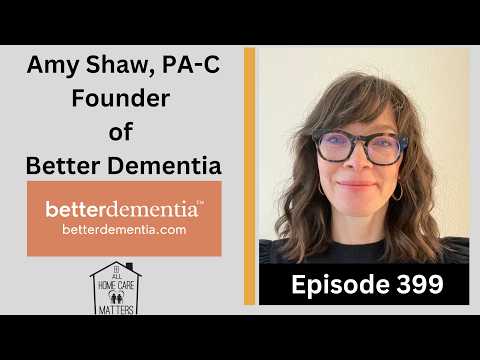 Amy Shaw, PA-C Founder of Better DementiaAmy Shaw offers practical, real-world advice for family caregivers on how to communicate with dignity, including how to handle difficult emotions and set boundaries.
2 more videos
 Grandpa, Do you Know who I am? (Dementia Tips)This video provides gentle, concrete tips for family members visiting a loved one with dementia, including how to handle moments when they don't recognize you.
 LEWY BODY SYMPTOMS SERIES (ALL)Essential viewing for caregivers of someone with Lewy body dementia, covering the unique communication challenges and the critical importance of tone and approach.
Background
Dignity Is Not Lost: It Is Affected by Our Reactions
Dementia does not rob a person of their dignity; it is our reaction to them that does. As Teepa Snow explains, dignity means recognizing that your loved one is still a whole human being with full value, that hasn't changed. What must change is how you respond. If you react the same way you did before the dementia, it can hurt them and damage the relationship. Instead, you have a choice: you can choose to respond thoughtfully, not react impulsively. This choice is your most powerful tool for preserving their sense of self.
When your loved one says something confusing or repeats a question, it's easy to feel frustrated or to correct them. But correcting them can make them feel stupid or ashamed. Remember the broken arm analogy: you wouldn't ask someone with a broken arm to carry groceries. Similarly, you shouldn't ask someone whose brain is failing in certain ways to do cognitive work they can no longer do. Accepting them where they are, not expecting more than their brain can manage, is the essence of dignity-preserving care.
Communication Breakdown Is Normal, and You Can Adapt
Conversations with a loved one who has dementia are often not smooth, especially in the moderate phase. They may become upset or confused when you try to talk. This happens because the parts of the brain that process language, memory, and emotion are changing. It's not that they don't want to communicate, they can't do it the way they used to. As one expert notes, people with dementia are not able to make the changes necessary to facilitate effective communication; that responsibility falls on you, the caregiver.
This can feel unfair, but it's also liberating: you are the one who can learn new skills. Your tone of voice, your body language, your eye contact, and your choice of words all become part of a new language. Even when your loved one doesn't understand your words, they are still picking up on your emotional vibrations, your calmness or your tension. So slowing down, using a gentle tone, and approaching from the front with eye contact are not just nice ideas; they are essential tools for making your loved one feel safe and respected.
Emotions Remain Even When Memory Fades
Just because someone has memory or cognitive problems does not mean they have stopped having emotions. In fact, emotions often become more raw and immediate. Your loved one can still feel pride, shame, joy, fear, and love, even if they cannot articulate why. When you speak to them in a way that feels condescending or rushed, they may not be able to tell you they feel disrespected, but they will feel it. That feeling can show up as agitation, withdrawal, or sadness.
This is why acknowledging their emotions, even if you don't understand the logic behind them, is so powerful. If they say they want to go home (even though they are home), instead of correcting them, you can say, "I hear that you want to go home. Tell me about your home." This validates their feelings and keeps the connection alive. You are not lying; you are meeting them where they are emotionally.
Practical tools
4
Broken Arm Analogy Script
When frustrated, tell yourself: 'I would not ask someone with a broken arm to carry groceries. Their brain is damaged in certain ways. I will not ask them to do cognitive work they cannot do.'
Validation Phrases for Difficult Moments
Keep phrases ready: 'I hear you.' 'That sounds hard.' 'I'm here with you.' 'Tell me more about that.' 'Let's figure this out together.'
One-Step-at-a-Time Checklist
For tasks like bathing, write each step as a single instruction. Give one step out loud, wait for completion, then give the next.
Even Tone Reminder Card
Place a card or phone reminder: 'Keep your voice low and warm. Do not raise it. They feel your vibrations.'
Different situations
Lewy body dementia
People with Lewy body dementia are especially sensitive to tone of voice and changes in volume. Even if they don't understand your words, they pick up on the emotional vibrations. Keep your tone even and calm at all times. Avoid sudden loud noises or raised voices, which can trigger confusion or hallucinations. Also, be aware that their cognitive abilities may fluctuate throughout the day, what works in the morning may not work in the afternoon. Adjust your expectations accordingly.
Late-stage dementia (moderate to severe)
In later stages, your loved one may have very limited verbal communication. Focus on non-verbal cues: gentle touch, eye contact, and a soothing tone. Use simple, one- or two-word phrases. Do not expect them to respond verbally; instead, look for facial expressions or body language that indicate comfort or distress. Your goal is to provide a sense of safety and connection, not to have a conversation. If they are agitated, try soft music or a familiar scent (like lavender) to calm them.
Spouse vs. adult child caregiver
If you are the spouse, your loved one may feel especially vulnerable about hygiene and intimate care. Use dignity-preserving language like, 'Not to worry, I'm going to keep you covered,' or 'Let me know if you need help.' If you are an adult child, your parent may feel embarrassed or resistant to being cared for by their child. Acknowledge this openly: 'I know this is hard, Mom. I'm here because I love you.' Give them as much control as possible, even if it's just choosing which towel to use.
In a facility or with paid caregivers
If your loved one is in a facility, you may need to advocate for their dignity. Train staff and visitors on how to communicate: share your loved one's interests, preferred name, and what topics perk them up. Ask that staff always introduce themselves by name and avoid talking about them as if they aren't there. If you see a staff member using a condescending tone, gently correct them or speak to the charge nurse. You are your loved one's voice.
Frontotemporal dementia (FTD)
FTD often affects behavior and personality more than memory in early stages. Your loved one may say or do things that are socially inappropriate. Do not shame or scold them. Instead, redirect calmly and use simple, direct language. Avoid complex explanations. Focus on the emotion behind the behavior, if they are restless, they may need to move. Offer a walk or a simple task. Remember, their brain is changing; they are not doing this on purpose.
Common questions
6
How can I help the person with dementia focus and stay tidy during meals?
Offer one food item at a time with a gentle touch on their hand, and use a warm, slow voice to guide them: 'Let's take a bite of this potato now.' Keep the table simple with only a plate, glass, and napkin to reduce distractions.
How can I respect my loved one's dignity and sense of control during the doctor visit?
Before the visit, write down your two top concerns and hand them directly to the doctor. During the exam, speak to your loved one first, using their name, and say, 'I want you to help the doctor understand how you feel,' so they remain the focus of the conversation.
What should I do after bathing to maintain skin health and dignity?
After bathing, pat the skin dry gently, never rub, and apply a fragrance-free moisturizer while saying something reassuring like, 'This cream will keep your skin nice and soft.' Let them choose between two lotions if they can, to preserve a sense of control.
How do I start preserving a loved one's life story without feeling overwhelmed?
Pick one memory right after a calm moment, such as a favorite song or a family photo, and write just two to three sentences about it on a notecard. Do this once a week; small, steady steps build a story without overwhelming you.
How should I interact with my loved one who has early-onset Alzheimer's to maintain their dignity?
Approach from the front, make eye contact, and say your name and relationship: 'It's me, Pat, your daughter.' Then validate any emotion they show, say, 'You seem tired', before giving one simple choice, like 'Would you like tea or water?'
How must psychiatrists respect patients' identities and dignity?
The psychiatrist should always address the patient directly by their preferred name, ask them one yes/no question at a time, and say 'Thank you for sharing that with me' after each answer to honor their contribution, even if the words are unclear.
For the doctor
4
- If your loved one becomes aggressive or physically resistant during care, ask your clinician about non-pharmacological strategies and when medication might be appropriate. Do not attempt to restrain them without professional guidance.
- If your loved one has difficulty swallowing or refuses food/water, discuss with your clinician before changing their diet or using any feeding techniques. This is a medical safety issue.
- If you are considering using a communication device or app for your loved one, ask your clinician or occupational therapist for recommendations that match their stage and abilities.
- If your loved one is experiencing hallucinations or delusions that are causing distress, discuss with your clinician before trying to correct or redirect them. Some hallucinations may require medical evaluation.