Step by step
What not to do
- Do not argue about what really happened, if they say they saw their mother yesterday and she died years ago, validate the feeling instead.
- Do not rush or force personal care, explain each step as you go, slow your pace, and if a full shower is refused, try a warm washcloth at the sink.
- Do not ignore your own needs, schedule at least one hour a day for yourself through respite care, an adult day centre, or a trusted neighbour.
- Do not assume an activity is above or beneath them, match it to their history and present ability, and present it as shared fun, not a test.
Key points
- Personalization starts with knowing the person's life story, not just their diagnosis.
- Use names and labels that match their identity (e.g., 'library' not 'social club').
- Start every care task with a positive emotional hook to build cooperation.
- Offer only two choices at a time to reduce overwhelm.
- Adapt activities to their current ability, participation matters more than perfection.
- Take care of yourself: schedule daily respite and ask for help. You cannot personalize care if you are burned out.
Videos
 Designing a Safe Living Space For a Loved One With Dementia | LiveTalk | Being PatientShows how to adapt the home environment to support personalization, small households, familiar kitchens, and safety devices that blend in.
 Podcast #38: Strategies to Get Someone to a Healthcare Provider When They Don't Want to GoOffers gentle, personalized approaches to handling resistance, useful when introducing new carers or services.
 What Activities Are Good For Dementia Patients? Module 1Walks through how to match activities to the person's past interests and current abilities, core to personalization.
 How To Distract Someone With Alzheimer's? Episode 1Teaches redirection techniques that respect the person's feelings, a key skill when personalizing responses to distress.
2 more videos
 Ian Kremer Executive Director of the LEAD Coalition (Leaders Engaged on Alzheimer's Disease)Discusses policy and advocacy for personalized dementia care, useful for understanding the bigger picture of home care services.
 Dementia Friendly Activities at Home: Part 1 of 3Provides step-by-step ideas for simple, personalized activities using everyday items, practical and low-cost.
Background
Why Personalization Matters in Dementia Home Care
Dementia affects each person differently. As one expert put it, 'When you've seen one person with dementia, you've only seen one person' (Source 8). A cookie-cutter approach, the same routine, the same activities, the same words for everyone, often leads to confusion, agitation, or refusal. Informal carers in the UK have consistently said that home care services must be flexible and tailored to the individual's unique needs, history, and preferences (Source 1). Without personalization, care feels impersonal and can even increase the person's sense of being lost or misunderstood.
The Emotional Memory Connection
People with dementia tend to remember how they felt about an experience even when they can't recall the details (Source 5). If a carer uses a harsh tone or rushes through a task, the person may feel frightened or humiliated, and that feeling lingers, making future care harder. Personalization taps into positive emotional memories: using a favorite song to cue bathing, offering a familiar food at mealtime, or referring to a day centre as a 'library' if the person loved reading (Source 10). These small adjustments can turn a potentially upsetting moment into a reassuring one.
The Challenge of Initiating Activities
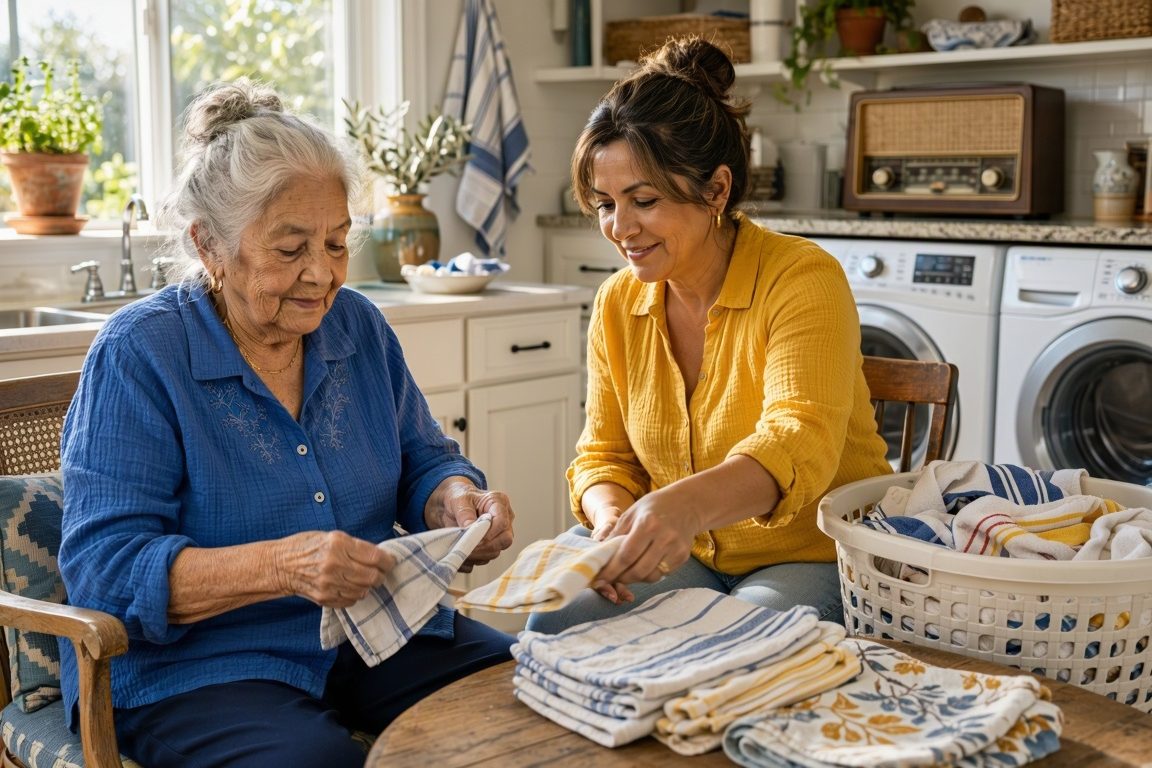
Dementia often robs a person of their internal 'volitional switch', the ability to start an activity on their own (Source 19). They may look uninterested, but that doesn't mean they don't want to engage. Personalization means you become their gentle initiator: you offer something that matches their past interests (e.g., folding laundry if they were a homemaker, sorting coins if they loved collecting) and you do it alongside them, not for them. This preserves their sense of purpose and dignity.
Practical tools
5
The Life Story One-Pager
A single laminated sheet with bullet points:
Pin it on the fridge or near the care schedule.
The Activity Adaptation Checklist
Before any activity, ask:
The Daily Rhythm Whiteboard
A small whiteboard with simple icons or words: morning (sun) → breakfast → walk → music time → lunch → rest. Update each morning; for non-readers use pictures from magazines.
The Respite Starter Kit
A bag with a favourite book, photo album, soft blanket, and simple activity like a large-piece puzzle. Hand it to any respite carer so the time apart feels continuous.
Labeled Independence Stations
Clear picture-and-word labels on drawers, cupboards, the bathroom door, and the bin so items like 'Mum's jumpers' and 'Toilet' are easy to find without asking.
Different situations
Lewy body dementia (LBD)
People with LBD often have fluctuating cognition, visual hallucinations, and extreme sensitivity to medications. Personalization means avoiding overstimulation: keep activities short (10-15 minutes), use soft lighting, and never argue about hallucinations. Instead, say: 'I see you're looking at something. Can you tell me about it?' Validate the experience without agreeing or disagreeing. Also, discuss all medication changes with the clinician: LBD patients can have severe reactions to antipsychotics.
Late-stage dementia (bedbound or minimal communication)
Personalization shifts to sensory comfort: play their favourite music softly, use a familiar lotion scent during hand massage, speak in a calm, low voice, and maintain eye contact. Even if they cannot respond, they may feel your presence. Focus on pain management, positioning, and gentle touch. Discuss any feeding or swallowing concerns with the clinician.
Spouse vs. adult child as carer
Spouses often struggle with role reversal and grief, they may feel they are losing their partner. Personalization for the carer means acknowledging this loss. Adult children may have more energy but also more guilt about 'putting' their parent in care. Both need separate support. For the person with dementia, a spouse might use intimate language ('darling', 'love'), while an adult child might use more respectful terms ('Dad', 'Mom'). Follow the person's lifelong relationship style.
In a facility (e.g., care home or respite)
Even in a facility, personalization is possible. Bring their own pillow, photos, and a small lamp from home. Ask staff to use their preferred name and to learn their life story. Visit during meal times to help staff understand their food preferences. If the facility uses a 'key worker' system, request the same carer each day for consistency (Source 1, 23).
On a tight budget or using Medicaid-funded care
Personalization doesn't have to cost money. Use free community resources: libraries for large-print books, local dementia-friendly choirs, or volunteer visiting services. Many adult day centres offer sliding-scale fees. You can also create activities from household items: sorting socks, folding towels, or looking through old magazines. The key is creativity, not expense.
For the doctor
4
- If your loved one is on antipsychotic or sedative medications, ask the doctor whether the dose or type is appropriate for their specific dementia type (especially Lewy body dementia).
- If they have difficulty swallowing or are losing weight, ask for a speech and language therapy assessment before changing their diet texture.
- If they become aggressive during personal care, ask the GP or dementia nurse about possible underlying pain, infection, or medication side effects before assuming it's 'just the dementia'.
- If you are considering moving them to a care home, ask the social worker or dementia advisor about a 'trial stay' or 'respite' to see how they adjust before making a permanent decision.