Step by step
What not to do
- Do not wait for a crisis (fall, hospitalization) to start exploring home care; begin when early signs like weight loss or hygiene decline appear.
- Do not assume one family member can handle all care alone; this causes burnout and care gaps. Build a team and consider professional help early.
- Do not dismiss technology as intrusive; when introduced transparently, it can extend independence by catching problems early.
- Do not assume Medicare covers long-term home care. Plan financially with an advisor and explore all payment options.
Key points
- Home care costs are rising and are rarely covered by Medicare; financial planning is essential.
- Technology like motion sensors and AI can provide early warnings of decline, helping families intervene before a crisis.
- Family caregivers provide billions in unpaid care, but no one should do it alone, professional help is a valuable resource.
- The trend is shifting back to home-based care, including house calls and palliative care at home.
- Start exploring home care early, before a crisis, and involve your loved one in the decision-making process.
- Use respite care regularly to prevent caregiver burnout and maintain your own health.
Videos
 Top 10 Things About Home Care You May Not KnowThis video provides an overview of home care services, costs, and what to expect, helping families make informed decisions.
 An Interview with Jennifer Lagemann of NextJenn Copy Senior Care Copy and MarketingJennifer discusses marketing trends in senior care, which can help families understand how to evaluate home care agencies and their services.
 Martin Hernandez General Manager of Home Care at A Place for MomMartin explains the role of home care in the broader senior care landscape, including how to choose the right provider and what trends to watch.
 Decisions About Putting A Parent Into a Nursing HomeThis video addresses the difficult decision of transitioning from home care to a facility, offering guidance on when and how to make that choice.

Background
The Rising Demand and Cost of Home Care
The need for home care is growing faster than ever before. With the aging population and shorter hospital stays, more families are turning to home care to keep loved ones safe at home. However, this demand is driving up costs significantly. Home care agencies face expenses for recruitment, training, insurance, and marketing, which are passed on to families. Experts predict these costs will continue to rise in the coming years, making it essential to plan financially early. Currently, Medicare and private insurers have limited coverage for home care, though there is growing recognition that home care may be more cost-effective than institutional care. This trend means families often bear the financial burden, so exploring long-term care insurance, Medicaid waivers, or veteran benefits can be crucial.
Technology as a Safety Net and Early Warning System
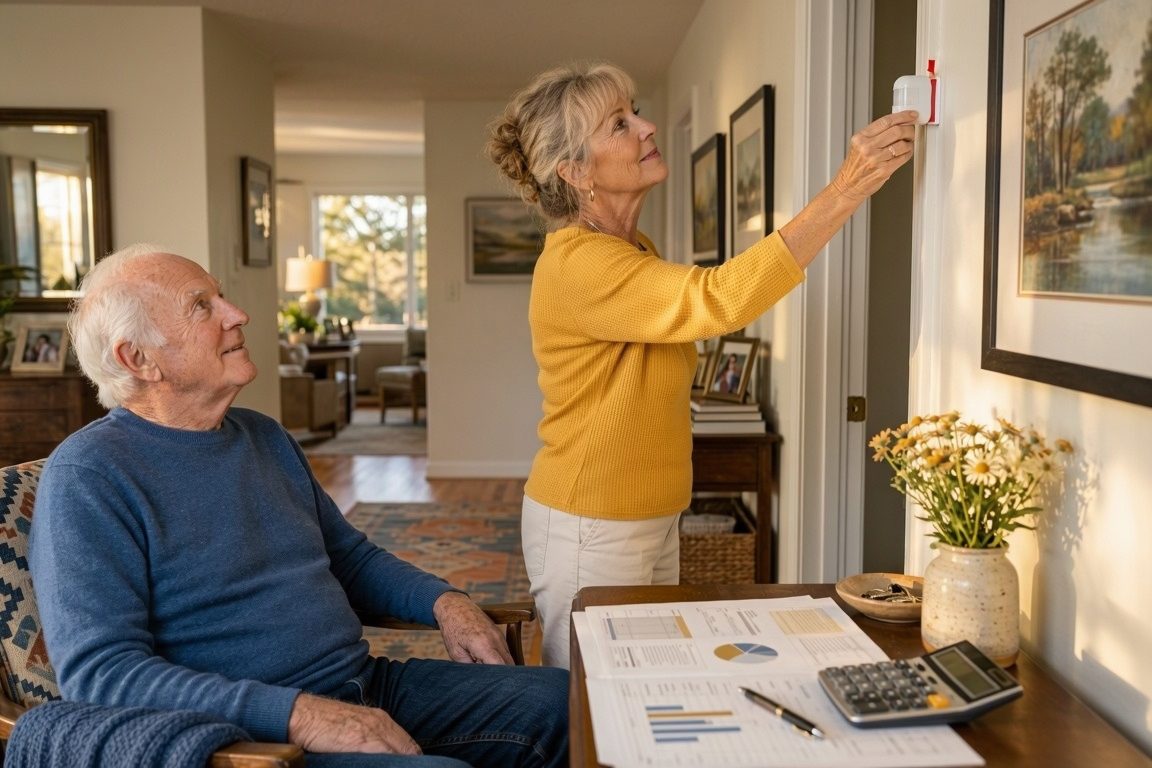
Innovative technologies are transforming how families monitor and support aging relatives at home. Tools like motion sensors, smart home devices, and AI-driven platforms (e.g., Sensi.Ai) can detect changes in daily patterns, such as reduced movement, missed meals, or unusual nighttime activity, and alert caregivers. This data-based approach gives families peace of mind and allows for early intervention before a crisis occurs. For example, if a sensor notices a loved one hasn't opened the refrigerator by noon, the system can send an alert, prompting a check-in. These technologies are especially helpful for families who live far away or have busy schedules, as they provide continuous, non-intrusive monitoring. However, it's important to introduce these tools gradually and with the loved one's input to avoid feelings of surveillance or loss of privacy.
The Shifting Role of Family Caregivers
Family caregivers are now recognized as a critical extension of the formal healthcare system, providing an estimated $375 billion in unpaid care annually. Yet the demand for family caregivers is expected to rise by 85% in the next few decades due to factors like shorter hospital stays and changes in insurance reimbursement. This trend places immense pressure on individual family members, who often feel they must shoulder 100% of the care responsibilities. The reality is that no one person should have to do it all. Home care agencies offer a range of services, from personal care and memory care to companionship and respite, that can be customized to each family's unique needs. Recognizing when to bring in professional help is a sign of strength, not failure, and can prevent caregiver burnout.
The Return to Home-Based and Palliative Care
There is a notable shift back toward home-based and palliative care models, moving away from institutional settings. House calls by primary care providers are increasing, driven by the acknowledgment that home visits improve outcomes and reduce costs for older adults and vulnerable populations. These visits can manage acute or chronic illnesses, coordinate post-hospital transitions, conduct health assessments, and provide end-of-life care. This trend supports the idea that aging in place is not only possible but preferable for many, as long as the right support systems are in place. Families should explore home-based primary care programs in their area, which can complement home care services and reduce the need for emergency room visits.
Practical tools
6
Early Signs Checklist
Print a checklist to use during visits:
Share with family and the primary care doctor to track changes.
Sample Conversation Script for Introducing Home Care
Say: 'Mom, I notice you're having a harder time keeping up with the house and baths. I worry about you falling. I found a service that sends a friendly person to help a couple days a week. Would you meet them for an hour to see how it feels?' This gives control and reduces resistance.
Technology Starter Kit
Home Care Agency Interview Questions
Ask: '
' Compare answers across agencies.
Respite Care Plan Template
Financial Planning Worksheet
Different situations
For early-stage dementia patients
Focus on technology that provides early warnings of functional decline, such as Sensi.Ai. Introduce home care as a companion service first, emphasizing social engagement rather than personal care. Use the phrase 'I want you to stay independent as long as possible, and this helper will make that easier.' Avoid words like 'caregiver' or 'assistance' that may feel threatening.
For adult children living far away
Prioritize technology monitoring and a local care manager. Hire a geriatric care manager to oversee the home care agency and report to you weekly. Use video calls to stay connected and ask the caregiver to send daily updates via a secure app. Plan visits around care transitions or when technology alerts you to changes.
For families with limited financial resources
Explore Medicaid home and community-based services waivers, which may cover personal care and respite. Look into non-profit home care agencies that offer sliding scale fees. Consider sharing a live-in caregiver with another family to reduce costs. Apply for veteran benefits if applicable. Discuss with a social worker at your local Area Agency on Aging.
For spouses providing care
Recognize that spouse caregivers often resist outside help due to a sense of duty. Emphasize that home care is a partnership, not a replacement. Start with respite care for a few hours so the spouse can run errands or rest. Use the phrase 'This gives me a break so I can be a better partner to you.'
For families considering a nursing home transition
If home care is no longer safe or sufficient, start touring facilities early. Look for signs of good care: staff-to-resident ratio, cleanliness, activities, and staff engagement. Use a checklist from AgingCare.com to compare options. Involve your loved one in the decision as much as possible, and plan a gradual move-in process if the facility allows.
For the doctor
4
- Ask your doctor about home-based primary care programs in your area and whether your loved one qualifies for house calls.
- Discuss with a geriatrician or neurologist how technology like motion sensors might be integrated into your loved one's care plan, especially if they have dementia.
- Inquire about palliative care services that can be provided at home, including pain management and symptom control for chronic conditions.
- Ask about medication management strategies, such as blister packs or automated dispensers, to reduce the risk of missed or incorrect medications.