
Step by step
What not to do
- Do not argue or try to prove they have dementia. This will only cause frustration and damage trust.Instead, validate their feelings and redirect to a safe activity.
- Do not make excuses for dangerous behaviors. Saying 'he's just old' when he gets lost driving can lead to a crash. Address the behavior directly: 'I'm not comfortable with you driving today. Let me take you.'
- Do not isolate yourself. Denial can make you feel like you are the only one who sees the problem. Reach out to a support group, a counselor, or the Alzheimer's Association. You need allies.
- Do not rush to put them in a facility unless it is an emergency. Many people with early-stage dementia can live at home with support. Explore in-home care, adult day programs, or memory cafes first.
- Do not ignore your own health. Caregiver stress is real. If you are exhausted, you cannot help anyone. Take breaks, ask for help, and see your own doctor if needed.
- Do not assume they will never accept the diagnosis. Some people do come to terms with it over time, especially if they feel supported. Keep the door open for conversation without pressure.
Key points
- Denial is often a symptom of the disease (anosognosia), not a choice. Do not argue.
- Focus on safety first: driving, cooking, finances. Address behaviors, not the diagnosis.
- Set up legal documents immediately while they can still participate.
- Join a support group. You are not alone.
- Use 'I' statements and gentle curiosity, not confrontation.
- Take care of yourself. Your health matters for both of you.
Videos
 Michael Ellenbogen Global Dementia Advocate & ConnectorMichael shares his personal journey of living with dementia and offers hope and practical advice for newly diagnosed individuals and their families.
 The Baffled Brain: Demystifying Dementia Episode 18 March 27 ,2021This episode explains the brain changes behind denial and offers strategies for caregivers to respond with compassion.
 Self-care for Caregivers | Linda Ercoli | TEDxUCLAA reminder that caregiver self-care is not optional. Linda offers practical tips for managing stress and burnout.
 Ep. 248: Action Steps to Take If You Receive a Dementia DiagnosisA step-by-step guide on what to do immediately after diagnosis, including legal, financial, and emotional steps.
2 more videos
 An Interview with Dementia Expert and Educator Teepa SnowTeepa Snow offers her 'top five considerations after a diagnosis,' including how to handle denial and check in with yourself.
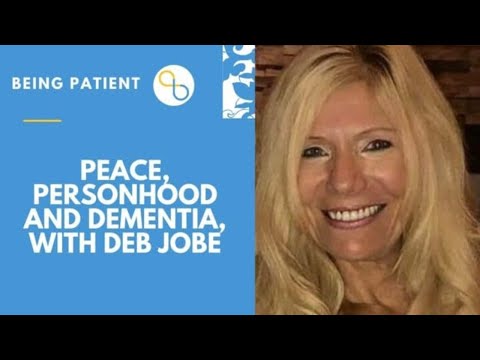 Posterior Cortical Atrophy: Is it Alzheimer's or a Different Type of DementiaThis video explains a rare form of dementia that often presents with vision problems, which can be mistaken for denial or stubbornness.
Background
Why Denial Happens: It's Not Just Refusal
When a loved one insists 'nothing is wrong' after a diagnosis, it can feel like they are refusing to face reality. But in many cases, this is not denial in the psychological sense. It is a neurological symptom called anosognosia, where the brain's ability to perceive its own decline is damaged. The person truly believes they are fine because their brain cannot process the evidence of memory lapses or confusion. As one expert explains, they are not being difficult; they lack insight into their own cognitive issues. This is a core part of the disease, not a choice.
The Danger of Caregiver Denial
It is equally common for caregivers to slip into denial themselves, making excuses like 'he's just old' or 'she's always been forgetful.' This can be dangerous. Ignoring signs like getting lost while driving or burning pots can lead to accidents or tragedies. The sooner you accept the diagnosis, the better you can help your loved one. As one source warns, 'stop making excuses for them' and 'don't do the denial thing.' Your acceptance is the first step toward safety and effective care.
What Your Loved One Needs Right Now
After diagnosis, your loved one needs time to process, just like you do. There is no 'right' way to react. Some will grieve, some will be angry, and some will seem indifferent. The key is to allow that space without pushing. As the Alzheimer's Association notes, 'allowing time to process the diagnosis is an important first step to adjust to this new normal.' Your job is to be a steady presence, not a fixer. Check in gently: 'How are you feeling about what the doctor said?' rather than 'You need to accept this.'
Practical tools
6
The 'Check-In' Phrase
Instead of 'You have Alzheimer's,' say: 'I know this news is a lot. How are you feeling about it today?' This opens a door without forcing a label. Use it weekly to gauge their emotional state.
The Safety-First Checklist
Create a short list of non-negotiable safety items:
Address each one without mentioning the diagnosis. For example: 'I'm worried about the stove. Let's get a timer that turns it off automatically.'
The 'Day Zero' Journal
Buy a notebook and write down one thing you are grateful for each day, and one activity you can still enjoy together. This shifts focus from loss to living. As one advocate says, 'accept it and move on and say okay I've got it now what am I going to do with it?'
The Legal Documents Folder
Get a physical folder labeled 'Important Papers.' Include
Keep it in a safe but accessible place. Frame it as 'getting organized for the whole family.'
The 'I Notice' Script
When you see a concerning behavior, say: 'I notice you seem a little confused about the date. That happens to me sometimes too. Can I help you check the calendar?' This normalizes the experience and offers help without accusation.
The Support Group Contact Card
Write down the phone number and website of the Alzheimer's Association (24/7 Helpline: 800-272-3900) and a local support group. Keep it in your wallet. Call them when you feel stuck or alone.
Different situations
If the diagnosis is Lewy Body Dementia (LBD)
Be extra cautious with medications. Antipsychotics can be dangerous for LBD. Always discuss with a neurologist before starting any new drug. Also, LBD often involves visual hallucinations and movement issues. Do not argue about what they see; instead, say 'I don't see it, but I believe you do.'
If the caregiver is an adult child vs. a spouse
Adult children may face more resistance because the parent is used to being in charge. Use a respectful tone: 'Dad, I know you've always handled the finances. Can I help you with the checkbook just for now?' Spouses may have an easier time with intimate care but may also be in denial themselves. Both need separate support groups.
If the person is in a facility or memory care
Denial may persist, but the environment can help. Staff are trained to redirect. Visit often and bring familiar items. Do not argue with your loved one about why they are there. Instead, say: 'This is a safe place for you to rest. I'll be back tomorrow.'
If the person has MCI (Mild Cognitive Impairment) vs. Alzheimer's
MCI may not progress to dementia for years, and some people even improve. Do not treat them as if they have full-blown Alzheimer's. Encourage them to stay active, social, and engaged. Legal planning is still urgent, but you can be more optimistic about their abilities.
If you are on Medicaid or have limited resources
Contact your local Area Agency on Aging for free or low-cost services. Many support groups are free. The Alzheimer's Association offers free care consultations. Do not delay legal planning because of cost; many elder law attorneys offer sliding scale fees.
For the doctor
5
- Ask your doctor: 'Are there medications that can help with my loved one's specific type of dementia? What are the risks and benefits?'
- Ask about clinical trials: 'Is my loved one eligible for any research studies? How do I find them?'
- If your loved one is on multiple medications, ask: 'Could any of these be making their confusion worse? Can we do a medication review?'
- Ask about driving assessment: 'How do I know when it's no longer safe for them to drive? Can you refer us to a driving evaluation program?'
- If your loved one has sudden changes in behavior or confusion, ask: 'Could this be a urinary tract infection or another medical issue? Should we get tested?'