Step by step
What not to do
- Do not skip or delay an MRI because your loved one feels fine. ARIA can be present without any symptoms. The MRI is the only way to detect it early. Skipping a scan could allow a small bleed to become a large one.
- Do not stop a blood thinner on your own before starting the drug. This could increase the risk of a stroke or heart attack. Always discuss with the clinician who prescribed the blood thinner first.
- Do not assume that a headache or dizziness is just a normal part of aging or dementia. These can be early signs of ARIA. Always report new symptoms to the clinician promptly.
- Do not downplay the risk of ARIA to your loved one or yourself. While the risk of serious ARIA is low (about 1-4% absolute risk of death in some studies), it is real. Acknowledge the risk and follow the monitoring plan carefully.
- Do not rely on over-the-counter pain relievers like ibuprofen or aspirin for headaches during treatment without checking with the clinician. These can increase bleeding risk and may mask ARIA symptoms.
Key points
- ARIA (brain swelling and bleeding) is a known risk of lecanemab and donanemab, but it is monitored with regular brain MRIs and is usually mild.
- Before starting treatment, a baseline MRI and APOE e4 genetic testing are recommended to assess risk.
- People with the APOE e4 gene or those taking blood thinners are at higher risk and need closer monitoring.
- Watch for symptoms like new headache, confusion, vision changes, dizziness, weakness, or seizures, report them immediately.
- Do not skip MRIs, stop blood thinners on your own, or ignore new symptoms.
- Real-world data shows that with proper monitoring, the safety of these drugs is comparable to or better than clinical trials.
Videos
 Do You Qualify for Lecanemab or Donanemab? Alzheimer’s Breakthroughs | Dr. Khushboo VermaThis video explains the eligibility criteria for these drugs, including the role of APOE e4 testing and baseline MRI, which are directly relevant to ARIA risk assessment.
 Lecanemab vs. Donanemab: Expert Breakdown of Alzheimer’s Treatments | Dr. Khushboo VermaThis video compares the two drugs and discusses their side effect profiles, including ARIA rates, helping you understand the differences in risk between lecanemab and donanemab.
 Putting Lecanemab into Practice: A Clinician’s Perspective on the New Alzheimer’s TreatmentThis video provides a clinician's view on the real-world monitoring process for ARIA, including how MRIs are scheduled and what happens if ARIA is detected.
 Are We Actually Making Progress in Dementia Research? (NIH 2025 Update)This video gives an update on the latest research, including real-world safety data for anti-amyloid drugs, which reinforces the importance of monitoring for ARIA.
Background
What is ARIA and Why Does It Happen?
ARIA stands for amyloid-related imaging abnormalities. It is a known side effect of anti-amyloid drugs like lecanemab and donanemab. ARIA comes in two forms: ARIA-E, which is brain swelling (edema), and ARIA-H, which is small or large brain bleeds (hemorrhage). These happen because the drugs trigger the immune system to clear amyloid plaques from the brain, and this immune response can cause temporary inflammation or small blood vessel leaks. Most ARIA is mild and goes away on its own, but in rare cases it can become serious, leading to seizures, large strokes, or even death. The risk is highest in people who carry the APOE e4 gene, which is why the FDA recommends genetic testing before starting treatment.
How is ARIA Monitored?
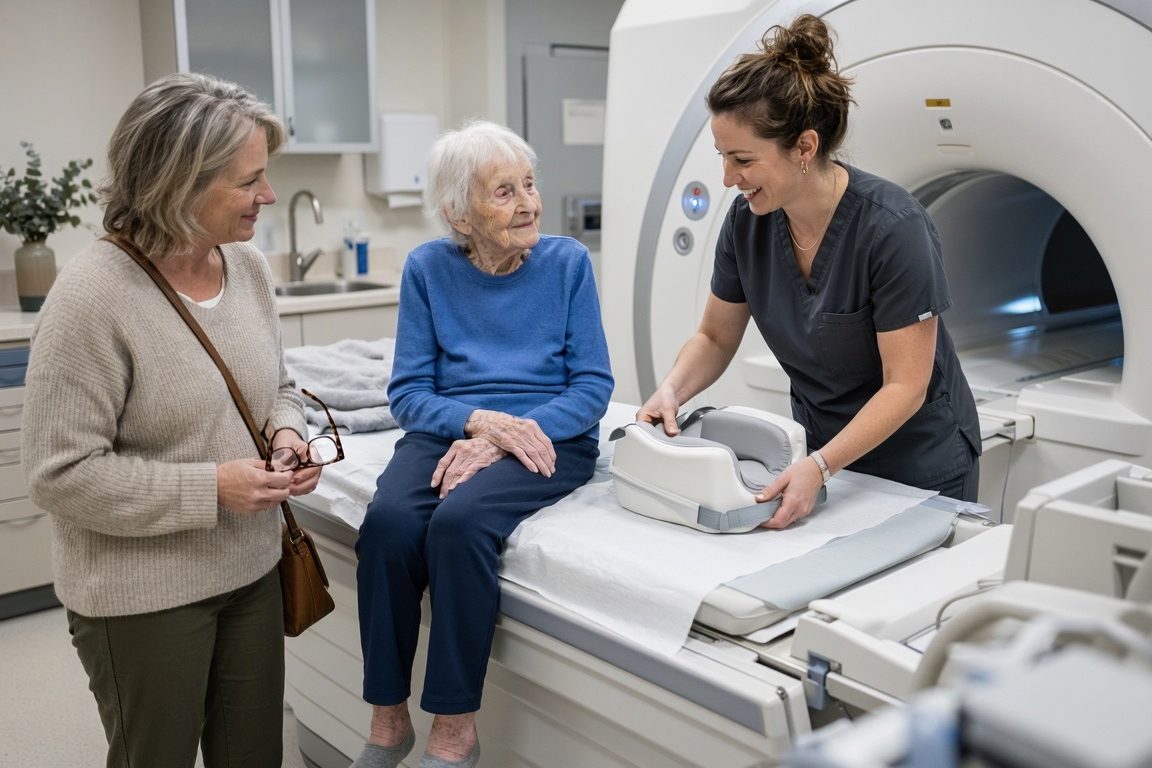
Monitoring for ARIA is built into the treatment protocol. Before starting the drug, your clinician will order a baseline brain MRI to check for any pre-existing microhemorrhages, old strokes, or other conditions that could increase risk. If the MRI shows more than four microhemorrhages, a large hemorrhage, or a major old stroke, the patient is generally not eligible for these drugs. Once treatment begins, regular MRIs are scheduled, typically before the 5th, 7th, and 14th infusions, and then periodically after that. These scans look for any new swelling or bleeding. The goal is to catch ARIA early, before it causes symptoms, so the clinician can pause the drug or adjust the dose. Real-world data from clinics and memory centers shows that this monitoring approach keeps safety comparable to or better than the clinical trials.
Who is at Higher Risk?
People with the APOE e4 gene variant are at higher risk for ARIA, especially those with two copies of the gene. Additionally, anyone taking blood thinners (anticoagulants) has an increased risk of brain bleeding while on these drugs. Other conditions that raise bleeding risk, such as a history of bleeding disorders, recent head trauma, or uncontrolled high blood pressure , also increase the chance of ARIA-H. Because of this, the pre-treatment evaluation includes a detailed medical history, a neurological exam, and the baseline MRI. If you or your loved one takes a blood thinner, it is essential to discuss this with the clinician before starting treatment. The decision to stop or continue a blood thinner must be made by the prescribing doctor, never on your own.
Practical tools
6
Symptom Diary Template
Create a simple log with columns for Date, Time, Symptom (e.g., headache, confusion, vision change), Severity (mild/moderate/severe), and Action Taken. Keep it in a notebook or on your phone. Bring it to every clinician visit. This helps catch ARIA early and provides a clear record for the care team.
MRI Schedule Card
Ask the clinic for a printed card or a digital reminder that lists the dates of all upcoming MRIs. Tape it to your refrigerator or set phone reminders. The standard schedule is before the 5th, 7th, and 14th infusions, but your clinic may adjust based on risk. Never miss a scheduled MRI.
Phrases to Say to the Clinician
Use these exact questions:
Fall Prevention Checklist
Because ARIA can cause dizziness or weakness, reduce fall risk:
If your loved one has a fall, call the clinician immediately, even if there is no visible injury , because a fall could trigger a brain bleed.
Emergency Contact Card
Write down
Keep this card in your wallet and on the refrigerator. If ARIA symptoms appear, you will not have to search for numbers.
Medication List for the Clinician
Before each visit, update a list of all medications, including over-the-counter drugs, supplements, and blood thinners. Include dosages and how often they are taken. This helps the clinician quickly assess bleeding risk and avoid drug interactions.
Different situations
For patients with the APOE e4 gene (especially two copies)
The risk of ARIA is higher. The clinician may recommend more frequent MRIs (e.g., before every infusion for the first few months) and a lower starting dose. Genetic counseling may be offered. Be extra vigilant about symptom monitoring and fall prevention.
For patients who take blood thinners
The risk of ARIA-H (bleeding) is significantly higher. The clinician will need to coordinate with the doctor who prescribed the blood thinner. In some cases, the blood thinner may be temporarily stopped or switched to a lower-risk option. Never stop a blood thinner without direct instruction. The MRI schedule may be more frequent.
For family caregivers who are adult children vs. spouses
Adult children may need to coordinate with siblings to share the responsibility of attending MRIs and infusions. Spouses may be more attuned to subtle changes in their partner's behavior. Both should keep a symptom diary and attend appointments together if possible. If the caregiver lives far away, ask the clinic if telehealth follow-ups are available for symptom check-ins.
For patients in assisted living or nursing homes
The facility staff must be trained to recognize ARIA symptoms and have a protocol for contacting the clinician. Provide the facility with a copy of the MRI schedule and emergency contact card. Ensure the facility has a fall prevention plan in place. The clinician may need to coordinate with the facility's medical director.
For patients with a history of head trauma or stroke
These patients are often excluded from treatment because of the increased risk of ARIA. If they are considered, the baseline MRI must show no significant old injuries. The monitoring schedule will be more intensive. Discuss all past head injuries with the clinician, even if they seemed minor.
For the doctor
5
- Ask your clinician: 'Should my loved one get the APOE e4 genetic test before starting treatment, and what will the results mean for our risk and monitoring plan?'
- Ask your clinician: 'My loved one takes [name of blood thinner]. How should we manage this medication during treatment? Should we stop it, switch it, or continue it?'
- Ask your clinician: 'What is the exact schedule of MRIs for this drug, and what happens if a scan shows ARIA? Will the drug be paused, and for how long?'
- Ask your clinician: 'Are there any over-the-counter medications or supplements we should avoid to lower bleeding risk, such as ibuprofen, aspirin, fish oil, or ginkgo biloba?'
- Ask your clinician: 'What symptoms should I call you about immediately, and what is the after-hours number? When should I go to the emergency room instead of waiting for a clinic appointment?'