Step by step
What not to do
- Don't assume all dementia in veterans is Alzheimer's. It could be CTE, vascular dementia, or mixed dementia. Each type requires different management.Instead, push for a thorough evaluation by a specialist who understands veteran-specific risks.
- Don't expose your veteran to war movies, loud noises, or sudden surprises. These can trigger PTSD-like reactions, causing agitation, panic, or withdrawal.Instead, choose calm, familiar entertainment like nature shows or classic films.
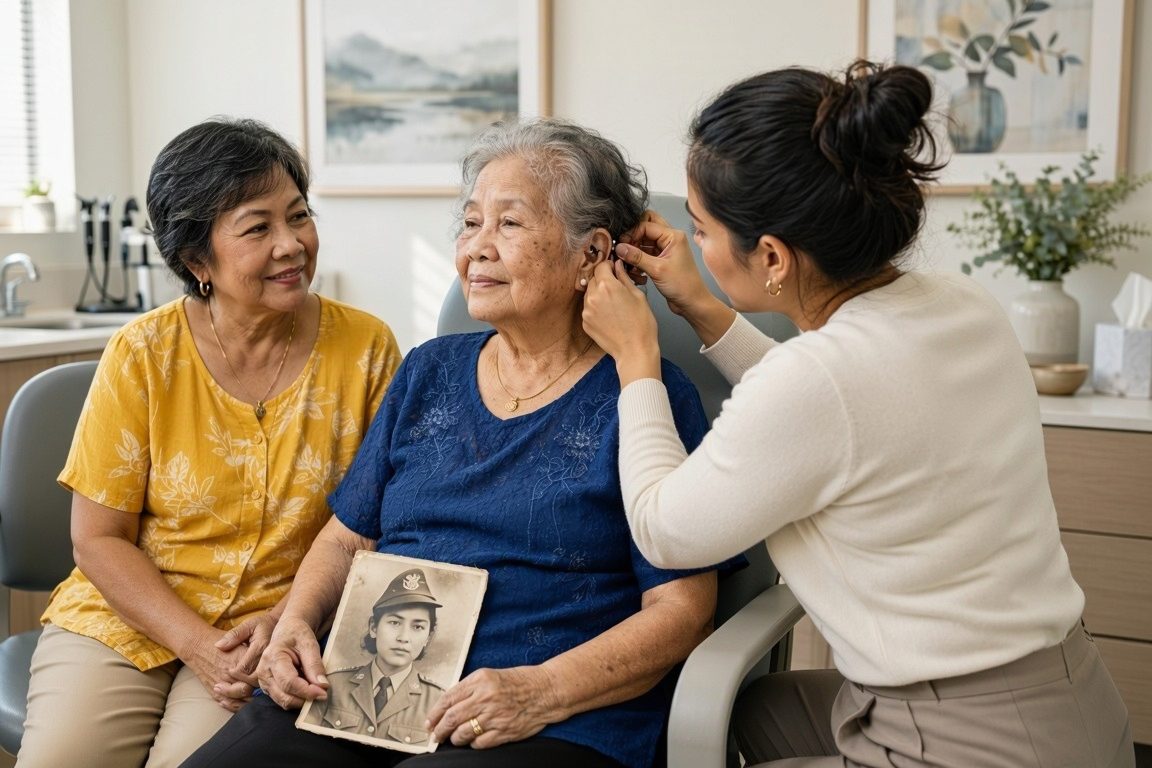
- Don't ignore hearing loss as 'just part of aging.' Untreated hearing loss is a major modifiable risk factor.Instead, get a hearing test and encourage consistent use of hearing aids.
- Don't skip regular medical checkups. Veterans may avoid doctors due to past experiences.Instead, schedule appointments and accompany them to ensure blood pressure, cholesterol, and other risks are managed.
- Don't assume your veteran's sleep problems are normal. Sleep apnea and insomnia are common and worsen dementia risk.Instead, discuss sleep issues with their doctor and consider a sleep study.
- Don't try to 'tough out' behavioral changes. Sudden confusion, aggression, or withdrawal could signal a UTI, medication side effect, or PTSD flare-up.Instead, consult a healthcare provider promptly.
Key points
- Traumatic brain injury (TBI) and blast exposure are major, unique risk factors for dementia in veterans. Get a full history and share it with doctors.
- Untreated hearing loss is a modifiable risk factor. Get a hearing test and ensure consistent use of hearing aids.
- Manage vascular health: blood pressure, cholesterol, diabetes, and smoking cessation can all lower dementia risk.
- Create a calm, predictable environment to reduce stress and avoid PTSD triggers like loud noises or war movies.
- UTIs are common in male veterans with dementia and can cause sudden confusion. Test promptly if behavior changes.
- The VA offers specialized resources, including caregiver support, geriatric psychiatry, and hospice care. Use them.
Videos
 Dementia Care Partner Talk Show Podcast: Ep. 95 - Dementia in Veterans, What You Should KnowThis episode features dementia care expert Teepa Snow discussing how military service uniquely affects dementia risk and care. It covers TBI, PTSD, and practical tips for creating a safe environment for veterans.
 14 Ways to Cut Your Dementia Risk in Half (Backed by Science)While not veteran-specific, this video outlines evidence-based lifestyle changes that can reduce dementia risk. Many of these, like managing hearing loss, blood pressure, and sleep, are especially relevant for veterans.
 What Are The Most Common Risk Factors For Alzheimer's & Dementia?This video provides a clear overview of modifiable and non-modifiable risk factors, including TBI and hearing loss, which are key for veterans. It helps caregivers understand the bigger picture.
Background
Why Military Service Can Raise Dementia Risk
Military service exposes individuals to several factors that are now known to increase dementia risk. One of the most significant is traumatic brain injury (TBI). Large studies have found that people age 50 or older who had a TBI, especially severe or multiple TBIs, have a higher risk of developing Alzheimer's disease and other dementias. For veterans, this can come from combat-related injuries, blast exposure from explosions, or even training accidents. The repeated concussions or blast waves can damage brain cells over time, leading to a condition called chronic traumatic encephalopathy (CTE), which shares symptoms with dementia.
The Role of PTSD, Stress, and Hearing Loss
Beyond physical injury, the psychological toll of service matters. Veterans often experience prolonged periods of high stress, fear, and hypervigilance, what experts call a 'high arousal state.' This can make it difficult for the brain to disengage from that state even after returning to a safe environment, potentially contributing to cognitive decline. Additionally, untreated hearing loss, common among veterans due to noise exposure, is a known dementia risk factor. When a person cannot hear well, they receive less cognitive stimulation from conversations and the world around them, which can accelerate brain changes. Sleep disturbances, like sleep apnea, are also more common in veterans and are linked to higher dementia risk.
Other Health Conditions That Compound Risk
Veterans may also have higher rates of conditions that increase dementia risk, such as high blood pressure, high cholesterol, diabetes, and smoking. These vascular risk factors damage blood vessels and reduce blood flow to the brain, which can lead to vascular dementia or worsen Alzheimer's. Alcohol misuse is another concern, as heavy drinking can cause brain changes and dementia-like symptoms. Importantly, these factors are modifiable, meaning that with proper medical care and lifestyle changes, you can help lower your veteran's risk or slow the progression of dementia.
Practical tools
6
VA Medical Records Request
Use the VA's online system or call your local VA medical center to request your veteran's complete service and medical records. Ask specifically for any documentation of TBIs, blast exposures, or concussions. Having this history helps doctors make an accurate diagnosis.
Hearing Aid Compliance Checklist
Create a simple daily checklist: '
' Post it on the bathroom mirror. If your veteran resists, try saying: 'These help me talk with you more easily. Let's put them in together.'
Calm Environment Setup
Remove or cover any military memorabilia that might cause distress (e.g., combat photos, medals). Use soft lighting, play calming music (nature sounds or classical), and keep the TV on non-violent channels. Post a note on the front door: 'No loud noises or surprises, please.'
Sleep Hygiene Routine
Set a consistent bedtime and wake time. One hour before bed, dim lights, avoid screens, and offer a warm (non-caffeinated) drink like chamomile tea. Use blackout curtains and a white noise machine. If they use a CPAP, check the mask fit nightly.
UTI Awareness Card
Print a small card to keep in your wallet: 'If my veteran shows sudden confusion, agitation, or a change in behavior, ask for a urine test. UTIs can cause dementia-like symptoms.' Show this to any doctor or nurse during visits.
VA Caregiver Support Line
Call the VA Caregiver Support Line at 1-855-260-3274. They offer free counseling, support groups, and respite care referrals. You can also ask about the Program of Comprehensive Assistance for Family Caregivers (PCAFC) for additional support.
Different situations
For veterans with suspected CTE (chronic traumatic encephalopathy) from repeated blast exposure or concussions
Focus on avoiding any triggers that might cause agitation or aggression, as CTE can worsen impulsivity. Work with a neurologist who specializes in CTE. Avoid physical activities that risk falls, as CTE increases fall risk. Use a calm, predictable routine to minimize stress.
For veterans with PTSD and dementia
Be extra cautious about environmental triggers. Avoid any sounds, smells, or visuals that might remind them of combat. Use grounding techniques: say 'You are safe now. We are at home. It's [year].' Consider therapy that addresses both PTSD and dementia, such as trauma-informed care. Work with a VA mental health provider.
For late-stage dementia in a veteran
Focus on comfort and safety. Ensure the environment is free of fall risks. Use soft music or gentle touch to soothe agitation. Monitor for UTIs closely, as they are common and can cause severe confusion. Work with hospice or palliative care if needed. The VA offers hospice benefits for veterans.
For a spouse caregiver vs. an adult child caregiver
Spouses may need more emotional support, as they are losing a life partner. Encourage them to join a veteran spouse support group. Adult children may need help navigating the VA system and legal paperwork. Both should prioritize self-care and respite to prevent burnout.
For veterans living in a VA nursing home or assisted living facility
Advocate for staff training on veteran-specific dementia care. Ask that war movies not be shown on common TVs. Request a private room if possible, to reduce noise and triggers. Visit often and bring familiar items from home. Use the VA's ombudsman if concerns arise.
For the doctor
6
- Ask the doctor: 'Could my veteran's dementia be related to past TBIs or blast exposure? Should we consider a CTE evaluation?'
- Discuss: 'What are the best ways to manage my veteran's high blood pressure or diabetes to protect their brain?'
- Ask: 'Are my veteran's current medications safe for someone with dementia? Could any be causing confusion?'
- Discuss: 'Should we do a sleep study to check for sleep apnea? If they have it, how do we ensure they use the CPAP?'
- Ask: 'What are the signs of a UTI in my veteran, and how quickly should we test for it?'
- Discuss: 'Are there any VA programs or specialists that can help with my veteran's specific needs?'