
Step by step
What not to do
- Do not force participation: If the person turns away, closes their eyes, or shows signs of distress (e.g., grimacing, increased breathing), stop immediately. Forcing an activity can cause agitation and erode trust.Instead, try again later with a different item or a shorter session.
- Do not use complex instructions: Avoid saying, 'Let's look at this photo album and tell me who is in the picture.' This demands cognitive skills they no longer have.Instead, simply hold the album open and point to a photo, saying, 'Look, here is a garden. The flowers are yellow.'
- Do not correct or test them: If they call you by the wrong name or say something that is not factually accurate, do not correct them. This can cause shame and confusion.Instead, respond to the emotion behind the words. For example, if they say, 'I need to go home,' you might say, 'You feel safe here with me.'
- Do not overstimulate: Using too many items at once, music, lotion, a photo, and a blanket, can overwhelm the senses. Stick to one or two items per session. Watch for signs of overstimulation like fidgeting, looking away, or increased agitation.
- Do not expect a verbal response: Many people with advanced dementia cannot speak or understand words. Do not ask questions like, 'Do you like this?' Instead, observe their body language. A relaxed posture, a slight smile, or a softening of the face are positive responses.
- Do not rush the session: The goal is connection, not completion. If the person falls asleep during the session, that is okay, it may be a sign of relaxation. Let them rest. You can try again another time.
Key points
- The Meaningful Moments program is designed for advanced dementia and focuses on sensory experiences, not verbal communication.
- It is acceptable and beneficial in hospital-based specialized dementia care units, as shown by research involving volunteers and family caregivers.
- Each session should be short (20-30 minutes), calm, and led by the person's cues, stop if they show signs of distress.
- Use one sensory item at a time, such as a soft fabric, scented lotion, or familiar music, and observe their response.
- Do not correct, test, or force participation. The goal is connection, not completion.
- Personalize the approach based on the person's stage of dementia, type of dementia, sensory abilities, and setting.
Videos
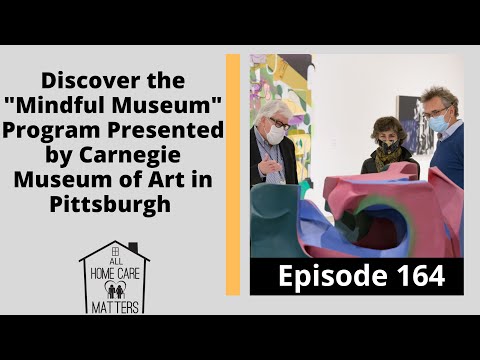 Discover the 'Mindful Museum' Program Presented by Carnegie Museum of Art in PittsburghThis video shows a similar sensory-based program for people with dementia, using art as a catalyst for connection. It offers ideas for using visual stimuli in a calm, conversational way.
 Discovering Busy Minds Box with Founder and CEO, Kristina LubofskyThis video introduces a product that provides sensory activities for dementia. While not specifically for advanced stages, it offers examples of simple, engaging items that can be adapted for Meaningful Moments sessions.
 How to Deal With Dementia Behaviors | Caregiving Expert Dementia Caregiver Tips and StrategiesThis video offers practical strategies for responding to challenging behaviors, which can help caregivers stay calm and flexible during Meaningful Moments sessions.
 Christmas Presents For Dementia PatientsThis video suggests gift ideas that are sensory-friendly and appropriate for advanced dementia, providing inspiration for items to include in a sensory basket.

Background
What Is the Meaningful Moments Program?
The Meaningful Moments program is a structured, volunteer-supported approach designed specifically for older adults with advanced dementia in hospital-based specialized dementia care units. It adapts the principles of Namaste Care, which emphasizes creating a calm, homelike environment where sensory experiences, like gentle hand massage, listening to familiar music, or looking at a photo album, replace the need for verbal conversation. The program is built around one-on-one, 20- to 30-minute sessions led by trained volunteers or staff, with the goal of reducing agitation, improving mood, and fostering a sense of connection. In a recent study, family caregivers and staff reported that the program was highly acceptable because it met the person where they were, without demanding cognitive skills they no longer had.
Why It Works for Advanced Dementia
In late-stage dementia, the brain's ability to process language and complex tasks is severely compromised. However, the parts of the brain that respond to touch, smell, music, and rhythm often remain intact longer. The Meaningful Moments program capitalizes on this by using sensory stimuli that bypass the need for words. For example, a volunteer might gently brush the person's hair while humming a lullaby, or offer a scented hand lotion and slowly massage their hands. These actions can trigger memories, soothe anxiety, and provide a sense of safety and comfort. The program also reduces the pressure on the person to 'perform', there are no right or wrong responses, only moments of shared presence.
The Role of Volunteers and Staff
A key feature of the program is that it is volunteer-supported, which means it can be implemented even in understaffed units. Volunteers receive brief training on how to approach a person with advanced dementia, how to read their nonverbal cues, and how to adapt activities in the moment. Staff members oversee the sessions and can step in if the person becomes distressed. This shared responsibility helps create a culture of person-centered care, where every interaction is seen as an opportunity for a meaningful moment. For family caregivers, knowing that a trained volunteer is offering this kind of attention can reduce feelings of guilt and helplessness.
Practical tools
6
Sensory Basket
Assemble a small basket with 3-5 items:
Keep the basket in a consistent place so the person can see it and feel a sense of familiarity.
Hand Massage Script
Use this simple script to guide your touch: 'I am going to gently massage your hand with this lotion. It smells like lavender. First, I will rub your palm in small circles. Then I will gently squeeze each finger. Let me know if you want me to stop.' Speak slowly and pause between sentences. Use a warm, unscented lotion to avoid overwhelming the sense of smell.
Music Playlist
Create a playlist of 5-10 songs from the person's young adulthood (ages 18-25). For example, if they were a teenager in the 1950s, include songs by Elvis Presley or Frank Sinatra. Use a simple device like a small speaker or a CD player with large buttons. Play the music at a low volume, just loud enough to hear, but not so loud that it overpowers the room.
Visual Cue Card
Create a laminated card with a simple image (e.g., a hand, a flower, a musical note) and a short phrase on the back: 'I am here to spend time with you. We can look at this picture or listen to music together.' This can be used by volunteers or staff to remind themselves of the session's purpose and to communicate nonverbally with the person.
Session Log
Keep a simple log to track what worked and what did not. For each session, note the date, time, items used, the person's response (e.g., smiled, relaxed, fell asleep, became agitated), and any observations (e.g., 'seemed to enjoy the hand massage but pulled away from the music'). Share this log with staff and family to ensure consistency.
Quiet Space Setup
Designate a corner of the room or a small area with a comfortable chair, a side table, and a soft lamp. Remove clutter and keep the area clean. Place a few items from the sensory basket on the table. This space should be used only for Meaningful Moments sessions, so it becomes a predictable, calming environment.
Different situations
Late-stage dementia (FAST stage 7)
In the final stage, the person may be bedridden, unable to speak, and have difficulty swallowing. Focus entirely on gentle touch and soothing sounds. Use a very soft brush to stroke their arm or face. Play familiar music at a low volume. Do not attempt any activity that requires movement or interaction. The goal is simply to provide comfort and reduce pain or agitation. Watch for signs of distress like grimacing or moaning, and stop immediately if they appear.
Lewy body dementia
People with Lewy body dementia often have visual hallucinations and fluctuating alertness. Use simple, familiar items that are not overly detailed. Avoid patterns or images that could be misinterpreted (e.g., a photo of a crowd might be frightening). Keep the environment very calm and predictable. If they seem confused or frightened, stop the session and speak in a reassuring tone. Music can be especially helpful, but avoid songs with complex lyrics.
Family caregiver vs. volunteer
If you are a family caregiver, you may feel pressure to 'do it right.' Remember that your presence alone is meaningful. Use the session as a time to simply be with your loved one, without trying to fix anything. If you are a volunteer, focus on being present and nonjudgmental. Do not take it personally if the person does not respond. Your role is to offer a moment of calm connection, not to achieve a specific outcome.
In a hospital-based specialized dementia care unit
In this setting, the environment may be noisy or unfamiliar. Work with staff to schedule sessions during quiet times (e.g., after meals or before bedtime). Use a privacy curtain or screen to create a visual barrier. Coordinate with the nursing team to ensure the person is comfortable (e.g., not in pain, not hungry). If the person has a feeding tube, you can still offer gentle touch and music, just avoid any items near the tube site.
For a person with hearing or vision loss
If the person has hearing loss, speak in a low, clear voice and face them directly. Use touch as the primary mode of communication. If they have vision loss, rely on touch, smell, and sound. Describe what you are doing: 'I am holding a soft blanket. It feels like fleece.' Use items with strong textures or scents. Avoid relying on visual cues like photo books.
For the doctor
4
- If the person becomes consistently agitated or distressed during sessions, discuss with the clinician whether there is an underlying medical issue (e.g., pain, infection, or medication side effect) that needs to be addressed before continuing the program.
- If the person has a history of falls or is at high risk for falls, ask the clinician for guidance on safe positioning during sessions (e.g., using a recliner or bed rather than a standard chair).
- If the person has difficulty swallowing, discuss with the clinician before offering any food or drink as part of a sensory activity (e.g., a taste of pudding or a sip of juice). The Meaningful Moments program typically avoids food for safety reasons.
- If the person is on medications that cause drowsiness or confusion, ask the clinician whether the timing of sessions should be adjusted (e.g., before medication is given or after it has taken effect).