Step by step
What not to do
- Don't assume that watching a few YouTube videos is enough. While videos are a great starting point, they are just the tip of the iceberg. You need structured training that builds skills step by step, not just passive watching.
- Don't choose a format based solely on cost or convenience if it doesn't match your learning needs. If you are a hands-on learner, an online course with no practice component may leave you feeling unprepared.Instead, invest time in finding a program that fits how you learn best.
- Don't skip training because you feel you 'already know' your loved one. Dementia changes the brain, and what worked yesterday may not work today. Training gives you new tools to adapt to these changes.
- Don't attend a support group expecting it to replace formal training. Support groups provide emotional support and shared experiences, but they are not designed to teach you specific caregiving techniques. Use them as a complement, not a substitute.
- Don't wait until a crisis to seek training. The best time to learn is before you need the skill. Proactive training reduces stress and helps you handle challenges more calmly.
- Don't feel pressured to master everything at once. Caregiving is a journey, and training is an ongoing process. Give yourself grace and focus on one or two new skills at a time.
Key points
- In-person training offers hands-on practice and immediate feedback, ideal for kinesthetic learners and those needing to master physical care skills.
- Online training provides flexibility, accessibility, and a wide range of expert content, perfect for busy caregivers or those in remote areas.
- Effective training, whether in-person or online, must be tailored to your specific challenges, flexible as dementia progresses, and focused on building practical skills.
- Combining both formats often yields the best results: use in-person for hands-on practice and online for ongoing learning and reinforcement.
- Don't rely solely on free videos or support groups for training, they are helpful supplements but not substitutes for structured skill-building.
- Start training early, before a crisis, and reassess your needs as dementia progresses to ensure you always have the right tools.
Videos
 How Do Online Support Forums for Dementia Help Address Caregiver Stress?This video explains how online communities provide emotional support and practical tips, which can complement formal training.
 Beyond Burnout: How to Stress Less in Dementia CaregivingThis video offers stress-reduction strategies that are useful regardless of training format, helping you stay resilient.
 Virtual Dementia Care CertificationsThis video showcases a reputable online certification program, demonstrating how interactive virtual training can build real skills.
 Suffering From Alzheimer's and DementiaThis video provides a caregiver's perspective on the challenges of dementia, reinforcing why training is essential.
2 more videos
 Convincing someone with dementia to go to higher level of careThis video addresses a common difficult conversation, showing how training can prepare you for tough decisions.
 How To Find Local Dementia Caregiver Support Groups?This video helps you locate local support groups, which can be a gateway to finding in-person training opportunities.
Background
Why Training Matters So Much for Dementia Caregiving
Caring for someone with dementia is not like caring for someone with a physical illness. Dementia is a brain disease that affects memory, communication, judgment, and behavior. Without specific training, caregivers often feel lost, frustrated, and overwhelmed. As one expert put it, asking a family doctor to perform heart surgery without training would be absurd, yet many caregivers are expected to manage complex dementia behaviors without any preparation. Training gives you the knowledge and practical skills to respond calmly and effectively, reducing stress for both you and your loved one.
The Core Difference: Hands-On Practice vs. Flexible Access
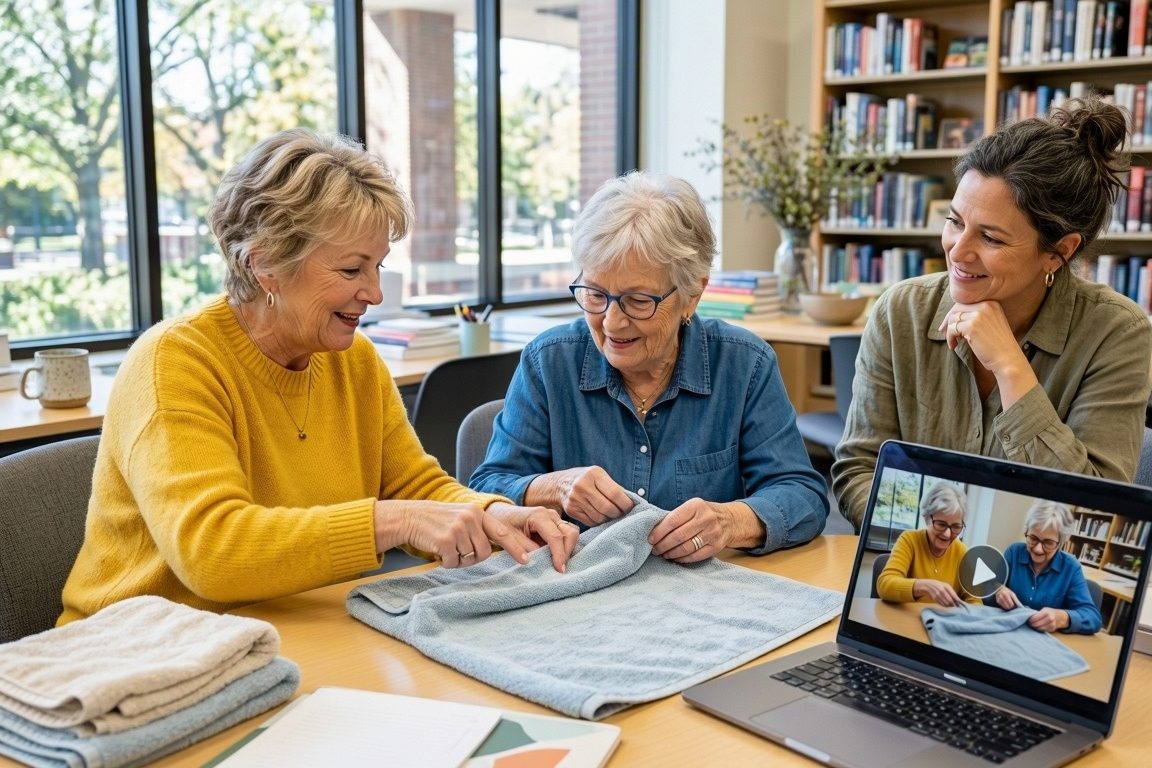
In-person training allows you to practice techniques in real time with an instructor and other learners. You can try a calming hand gesture, practice redirecting a person who is agitated, or learn how to assist with bathing, all while getting immediate feedback. This is especially valuable for kinesthetic learners who need to 'do' to understand. Online training, on the other hand, offers the convenience of learning at your own pace, from your own home, without needing to arrange care for your loved one or travel. Many online programs now include interactive elements like live Q&A, breakout rooms, and video demonstrations that bridge some of the gap.
What Research and Experts Say About Both Formats
Studies show that competency-based training, whether in-person or online, significantly improves dementia knowledge and caregiver skills. Effective programs are tailored to the caregiver's specific challenges, flexible enough to adapt as dementia progresses, and actively teach hands-on techniques. Experts note that online support groups and forums provide emotional relief and practical guidance, but they are not a substitute for structured training. In-person training often builds a stronger sense of community and accountability, while online training can reach caregivers in rural areas or those with limited mobility. The best approach may be a combination of both.
Practical tools
6
In-Person Workshop Checklist
Before attending an in-person training, prepare:
Online Training Setup Guide
To get the most from online training:
Skill Practice Log
After learning a new technique, keep a simple log: Date, Technique practiced (e.g., redirection, validation), Situation (e.g., during bathing, at mealtime), What worked, What I would change. Review the log weekly to track progress and identify areas needing more practice.
Phrases to Say When Choosing a Training Program
When calling a program to ask about their training, use these phrases:
Local Resource Finder Script
When calling your local Area Agency on Aging or Alzheimer's Association chapter, say: 'I am a family caregiver for someone with early-stage dementia. I am looking for in-person training that teaches practical skills like communication and behavior management.
'
Online Course Evaluation Checklist
Before enrolling in an online course, check:
Different situations
Early-stage patient (still living at home with mild cognitive changes)
Focus on training that emphasizes communication techniques, memory aids, and how to support independence without taking over. Online training can be very effective here because the person is still able to participate in some activities with you. In-person training may help you practice 'ask-don't-tell' approaches in a safe environment.
Family caregiver (spouse vs. adult child)
Spouses often benefit from in-person training because they can share the emotional weight with others in similar life stages. Adult children may prefer online training due to work and family obligations. Both should look for programs that address guilt, role reversal, and boundary-setting.
Lewy body dementia or frontotemporal dementia
These types often involve more pronounced behavioral changes, hallucinations, or personality shifts. In-person training is especially valuable here because you can practice de-escalation techniques with instructor feedback. Online training should include specific modules on managing hallucinations and impulsive behaviors.
Late-stage dementia (person requires full assistance)
Training should focus on hands-on care skills like safe transferring, bathing, feeding, and pain recognition. In-person training is strongly recommended for these physical tasks to prevent injury to both you and your loved one. Online training can supplement with video demonstrations, but nothing replaces practicing with a live instructor.
Caregiver in a rural area with limited local resources
Online training becomes your primary option. Look for programs that offer live, interactive sessions to simulate the in-person experience. Also consider joining online support groups to build a virtual community. If possible, attend an in-person workshop once or twice a year when travel is feasible.
For the doctor
5
- Ask your loved one's doctor or a dementia specialist: 'Given my loved one's specific diagnosis and stage, what training topics should I prioritize first?'
- Discuss: 'Are there any medications or treatments that might affect how I should approach training techniques, especially for managing agitation or sleep issues?'
- Inquire: 'Can you recommend any local or online training programs that you have seen benefit other caregivers in similar situations?'
- Ask: 'Should I consider a formal caregiver assessment to identify my biggest skill gaps before choosing a training program?'
- Discuss: 'If I am feeling overwhelmed, are there any respite care options that could give me time to attend in-person training?'