Step by step
What not to do
- Do not leave the hospital without a written plan. Many families are given only a prescription and a pamphlet, which leaves them lost.Instead, insist on a written list of next steps and contact numbers.
- Do not assume palliative care is only for end of life. Palliative care can start at any stage and improves quality of life. Ask for it early.
- Do not try to handle everything alone. Isolation makes caregiving harder. Connect with a support group or a care consultant immediately.
- Do not wait until you are overwhelmed to seek help. Support is available before you break. Talk to your healthcare team about resources now.
- Do not ignore your own emotional needs. Grief and anxiety are normal after a diagnosis. Ask about counseling or a support group for caregivers.
Key points
- Do not leave the hospital without a written plan and a support person assigned.
- Palliative care can start at diagnosis and improves quality of life, ask for it early.
- Connect with a support group or care consultant immediately; you do not have to do this alone.
- Grief and anxiety are normal; ask about counseling for yourself as a caregiver.
- Use the 'What Now?' checklist to ensure you get all the support you need before leaving.
- Personalize your approach based on the type of dementia and your role as a caregiver.
Videos
 An Interview with Denise Brown the Founder at The Caregiving Years AcademyDenise Brown discusses the importance of having a support system and a planning tool right after diagnosis, which aligns with the need for immediate structured support.
 Michael Ellenbogen Global Dementia Advocate & ConnectorMichael Ellenbogen shares his personal experience of receiving a diagnosis and the lack of support, reinforcing why healthcare systems must do better.
 What is Hospice Care?This video explains hospice care, which is a later-stage option, but understanding it early helps families plan ahead.
 Time with Teepa - What's Special about Behavioral Variant FTD? - the Better Question is What Isn't?Teepa Snow discusses the unique challenges of FTD, which requires specialized support and resources right after diagnosis.
2 more videos
 Does Alzheimer's Qualify For Hospice?This video clarifies hospice eligibility for Alzheimer's, helping families understand when to consider this option.
 An Interview with the Co-Founder of AlzAuthors - Marianne Sciucco R.N.Marianne Sciucco, a nurse and author, discusses the emotional impact of diagnosis and the need for immediate support and resources.
Background
The Diagnosis Moment: Why It Feels So Alone
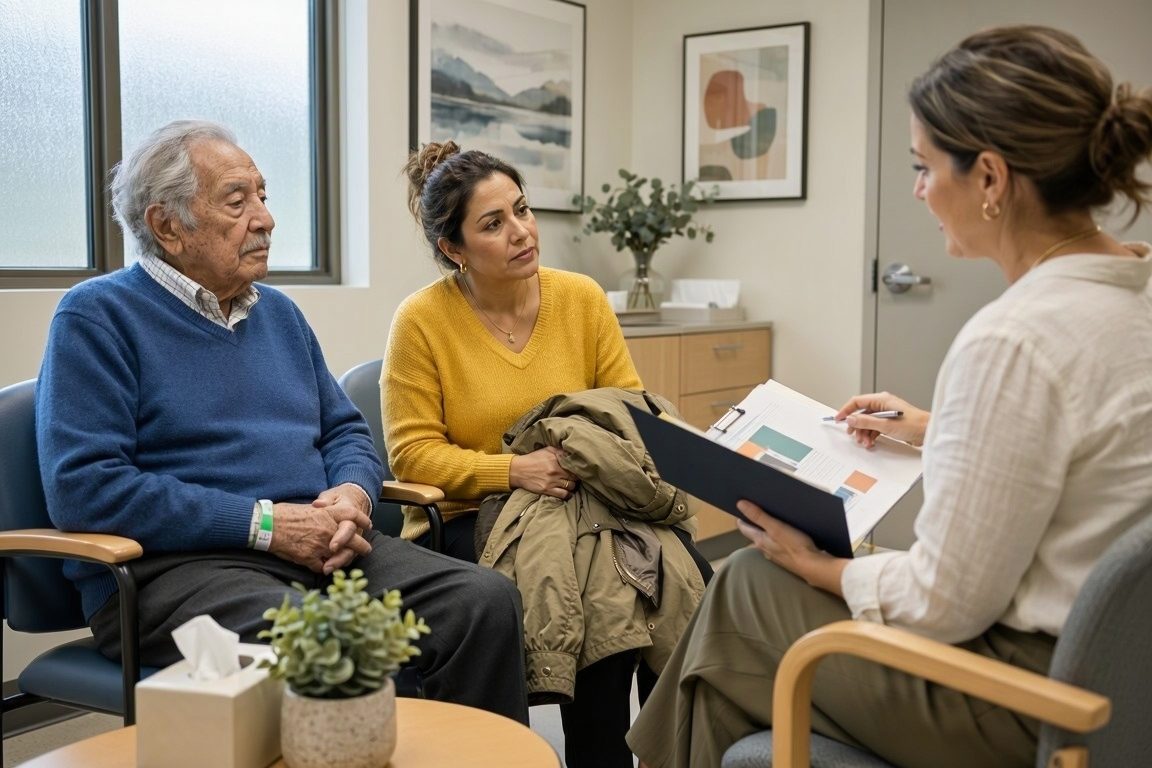
The moment a doctor says 'dementia' or 'Alzheimer's,' the world stops. You might hear nothing after that word. Many families report being handed a prescription and a pamphlet, then left to figure it out on their own. As one expert notes, healthcare systems often fail to equip families in that room, they give the diagnosis but not the tools to handle what comes next. This leaves caregivers feeling abandoned, not knowing where to turn or what to do first.
What Healthcare Systems Should Provide Immediately
Right after diagnosis, the system should offer a trained support person, a nurse, social worker, or care consultant , who stays with you to answer questions, explain the diagnosis in plain language, and connect you to resources. This person should not replace your doctor but work alongside them. They should help you understand that palliative care is available at any stage, not just at end of life, and that it can improve quality of life and reduce anxiety. They should also provide a written plan with concrete next steps: a list of local support groups, contact information for a care manager, and a follow-up appointment within two weeks.
The Role of Palliative Care and Support Services
Palliative care teams include doctors, nurses, social workers, and chaplains who focus on symptom management, emotional support, and coordination of care. Research shows that early palliative care can improve quality of life, decrease depression, and even extend survival. Healthcare systems should offer a palliative care consultation at diagnosis, not later. This team can help you navigate the emotional impact, connect you to grief counseling, and ensure you have a support network before you leave the hospital.
Practical tools
5
The 'What Now?' Checklist
A one-page checklist to take with you:
Check each box before leaving.
The 'Three Questions' Script
When the doctor gives the diagnosis, say these three things:
This ensures you get immediate support.
The Resource Card
A small card with key phone numbers: Alzheimer's Association 24/7 Helpline (800-272-3900), your local Area Agency on Aging, and a caregiving support hotline. Keep it in your wallet or phone case.
The 'Care Partner' Role
Ask the hospital to designate a specific nurse or social worker as your care partner for the first month. This person will check in weekly, answer questions, and help coordinate services.
The 'After Diagnosis' Packet
Request a packet that includes: a simple explanation of the diagnosis, a list of local support groups, a guide to palliative care, and a sample care plan. Many hospitals have these but do not always offer them.
Different situations
For Lewy body dementia or Parkinson's dementia
Ask specifically about physical therapy and speech therapy early on. These can help with movement and communication challenges. Also ask about medications for hallucinations or movement issues, but discuss risks with your clinician.
For frontotemporal dementia (FTD)
Support groups should be FTD-specific. Ask for a referral to a specialist who understands behavioral changes. Speech therapy can help with language workarounds. The support person should be trained in FTD behaviors.
For a spouse versus an adult child caregiver
Spouses may need more emotional support and grief counseling. Adult children may need help balancing work and care. Ask for resources tailored to your role, such as caregiver support groups for spouses or for working caregivers.
If the patient is a veteran
Ask about VA palliative care services. The VA may provide additional support, including home care and respite. Request a VA social worker to be part of your care team.
If the family has limited English or cultural differences
Request an interpreter and culturally appropriate resources. Ask for a social worker who understands your cultural background. Some support groups are available in multiple languages.
For the doctor
4
- Ask your doctor: 'What medications might help with mood or behavior, and what are the risks?' Do not start any medication without a full discussion.
- Discuss the possibility of antipsychotic use only if there is psychosis (hallucinations or delusions). These medications have serious risks and should be used only when necessary.
- Ask about advance care planning: 'When should we start talking about living wills and power of attorney?' This is a legal and medical decision that needs your doctor's guidance.
- If considering hospice, ask: 'What are the criteria for hospice eligibility? How does it differ from palliative care?' Hospice is for when curative treatments are no longer effective, and a doctor must estimate six months or less to live.