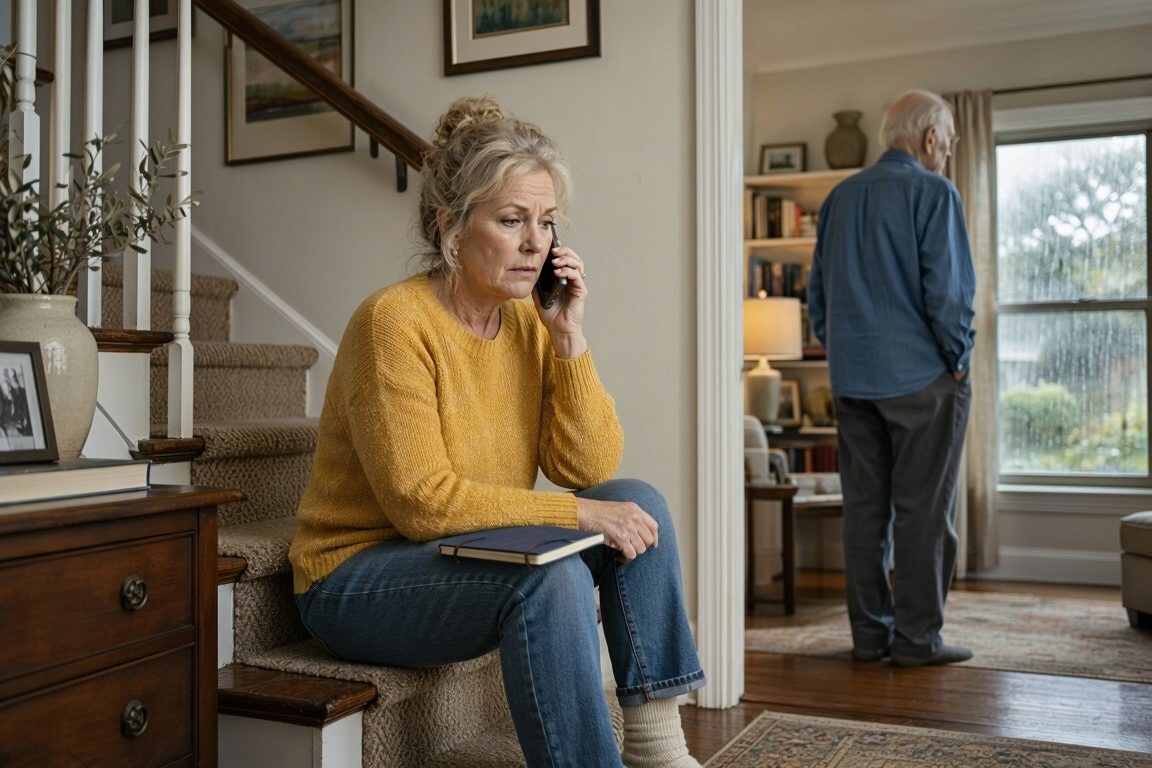
Step by step
What not to do
- Do not confront the abuser directly.
- Do not wait until you have 'proof'. Your job is to report what you see and hear; investigators will gather evidence.
- Do not dismiss the person's statements (e.g., 'I don't like that person,' 'they take my money') as confusion. Take them seriously.
Key points
- You do not need proof to report suspected elder abuse, just a reasonable concern.
- Call Adult Protective Services (APS) and local law enforcement. Both can investigate.
- If the abuse is in a facility, also contact the ombudsman and state licensing board.
- Keep a written log of everything you observe and every call you make.
- Do not confront the abuser yourself, let the authorities handle it.
- Take care of your own emotional health; reporting is hard but necessary.
Videos
 Concerned about being reported to Adult Protective Services (APS)?This video explains what happens when a report is made to APS, which can help you understand the process and reduce fear of retaliation.
 Conscious Caregiving with L & L - 'Unmasking Elder Abuse'This video provides practical advice on recognizing hidden signs of abuse and how to approach the situation with compassion.
 William 'Bill' Lightfoot, Former Richmond Police Sergeant, Brings Awareness to Elder AbuseA law enforcement perspective on why elder abuse is underreported and how to work with police effectively.
 Ep. 261: What Can We Do if We Suspect Elder Abuse?A comprehensive discussion with experts on the steps to take, including how to support the victim emotionally.
2 more videos
 Dementia Care Partner Talk Show Podcast, Ep. 56: Dementia, COVID-19 and Elder AbuseExplores how isolation during the pandemic increased abuse risks and what to watch for now.
 What To Do With A Violent Dementia PatientAddresses the difficult reality that some caregivers are falsely accused of abuse when a person with dementia becomes violent, and how to handle that situation.
Background
What Is Elder Abuse and Why Does It Happen?
Elder abuse takes many forms: physical harm, emotional manipulation, financial exploitation, neglect (like withholding food or medicine), and even online scams that prey on people desperate for connection or answers. In dementia care, abuse is especially insidious because the person may not be able to recognize it, remember it, or speak up about it. They might drop subtle hints, what one expert calls 'sprinkles', like saying they're scared or that someone is mean, but they rarely come out and say 'I'm being abused.' This is often because they fear retaliation, being moved to a facility, or losing contact with family. It's heartbreaking, but it's real.
Why Is It So Hard to Report?
Many caregivers hesitate to report because the abuser is often a family member, a son, daughter, or spouse, and they don't want to get them in trouble. Others fear that reporting will lead to the person with dementia being placed in a nursing home against their will. There's also the fear of retaliation from the abuser. But staying silent doesn't protect anyone; it allows the abuse to continue. The system exists to help, not to punish you. In fact, experts say that only one in every six to ten cases of elder abuse is ever reported. That means most suffering happens in the shadows. You can be the one to bring it into the light.
Practical tools
2
Exact Phrases to Say When Calling APS
Say: 'I am calling to report a concern about an older adult who may be experiencing abuse. The person's name is [name], they are [age], and they live at [address]. I have observed [describe, e.g., bruises, missing money, fear of a caregiver]. I do not have all the evidence, but I am concerned for their safety.' You can add: 'I wish to remain anonymous.' Write down the case number and the name of the person you spoke to.
Quick-Reference Contact Card
Fill in and keep handy:
Different situations
If your loved one has Lewy body dementia (LBD)
People with LBD are especially prone to visual hallucinations and paranoia, which can lead to false accusations of abuse. Be extra careful to distinguish between a delusion and a real event. If they say someone is stealing, first check their hiding spots. If they say someone hit them, look for physical evidence. Always report to APS if you see actual signs of injury, but also discuss the paranoia with their neurologist, medication adjustments may help.
If you are a family caregiver and the suspected abuser is another family member (e.g., a sibling or spouse)
This is incredibly painful. You may feel torn between loyalty to your family member and protecting your loved one. Remember: the person with dementia is the most vulnerable. Report to APS anonymously if you need to. You can also ask APS to keep your name confidential. After reporting, consider family counseling or mediation, but only after the immediate safety issue is addressed.
If the abuse is happening in a nursing home or assisted living facility
Do not confront the staff. Instead, call the facility's administrator immediately. If they are not responsive, call the state's long-term care ombudsman (a free advocacy service). You can also file a complaint with the state health department. If the abuse is severe (e.g., physical assault), call 911 and ask for a welfare check. Then move your loved one to another facility as soon as possible.
If your loved one is on Medicaid or has a guardian/conservator
If there is a court-appointed guardian or conservator, you must also report to them. They have legal authority to make decisions and can take immediate action. If the abuse involves financial exploitation, contact the Medicaid fraud control unit in your state. They investigate misuse of Medicaid funds.
If you are a professional caregiver (e.g., home health aide) and you suspect abuse by a colleague or family member
You are a mandatory reporter in most states. That means you are legally required to report suspected abuse to APS or law enforcement. Failure to do so can result in losing your license or facing legal consequences. Report immediately, and if you fear retaliation from your employer, report anonymously. Your first duty is to the person in your care.
Common questions
5
What is social media abuse of nursing home residents with dementia and how common is it?
Social media abuse happens when someone shares embarrassing or private photos or videos of a resident online without consent; it is a growing concern, but you can protect your loved one by limiting their exposure and reporting any suspicious posts to the facility and APS immediately.
What is granny dumping and why does it happen?
Granny dumping is when a caregiver leaves a loved one at a hospital, care facility, or public place without arranging for their care, often because of overwhelming stress or financial strain, and you can help prevent it by seeking respite care or contacting a local Area Agency on Aging for support.
How can I advocate for my loved one and gather evidence of abuse/neglect in a nursing home?
To advocate and gather evidence, start a daily log of what you see, hear, and smell during visits, include dates, times, and any injuries or changes in behavior, and take clear photos of bruises, poor hygiene, or unsafe conditions without confronting staff.
Why is elder abuse often not reported?
Elder abuse often goes unreported because victims may be unable to speak up due to dementia, and caregivers fear retaliation or feel guilty, but you do not need proof, just a reasonable concern, and you can make an anonymous report to APS or law enforcement.
How can I prevent or document abuse in a nursing home?
To prevent or document abuse, visit at different times and unannounced, build a trusting relationship with your loved one so they feel safe telling you what happens, and keep a written record of every call, visit, and concern to share with the ombudsman or licensing board.
For the doctor
4
- If your loved one has a history of falls or unexplained injuries, ask the doctor: 'Could this be from abuse, or is it related to their dementia or other medical conditions?'
- If your loved one is on blood thinners (like warfarin or apixaban), ask: 'Could these bruises be from the medication, or do they suggest trauma?'
- If your loved one is losing weight rapidly, ask: 'Could this be from neglect (not being fed), or is it a symptom of their dementia or another illness?'
- If your loved one is acting withdrawn or depressed, ask: 'Could this be a reaction to abuse, or is it part of their dementia progression?'