
Step by step
What not to do
- Don't say 'No' or 'You can't.' This triggers frustration and makes them feel like a child.Instead, use a validating phrase like 'That sounds nice, let's think about how.'
- Don't ignore the request or pretend you didn't hear. Emotional memory lasts longer than event memory. Even if they forget asking, your silence can leave them feeling dismissed or confused.Instead, acknowledge the request warmly, even if you can't fulfill it.
- Don't say 'You already asked me that.' This can feel shaming and increase agitation.Instead, treat each request as new and respond with the same warmth you would the first time.
- Don't use elderspeak, like 'sweetie' or 'honey' in a patronizing tone. Research shows this increases refusal behaviors.Instead, speak respectfully, using their name and a calm, adult tone.
- Don't argue or try to reason them out of the request. Their brain may not be able to follow logic.Instead, validate the feeling and redirect to a different activity.
- Don't say 'I told you so' or bring up past conversations. This creates resentment.Instead, focus on the present moment and what you can do together right now.
Key points
- Avoid 'no' by validating the wish first, say 'That sounds lovely' before redirecting.
- Use 'we' and 'let's' language to create a sense of teamwork.
- Redirect with curiosity: ask open-ended questions about the request.
- Prepare a 'phrase bank' for common requests so you're ready in the moment.
- Use sensory distractions, music, photos, a favorite snack, to shift focus.
- Practice pausing before responding to avoid automatic 'no' reactions.
Videos
 Caregivers, Avoid These Two Letters...This video directly addresses how to avoid saying 'no' with practical examples like the vacation scenario, showing how to acknowledge the request without agreeing to it.
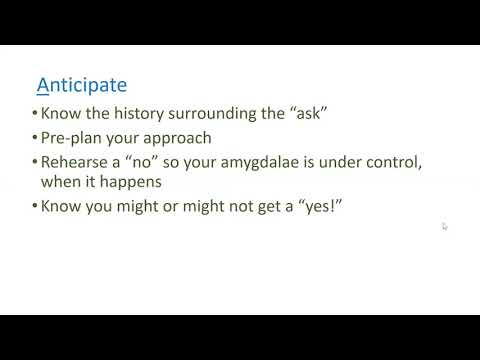 Care Partner Tips: What to Do About a 'NO!'Teepa Snow explains the 'five A's' approach to handling refusals, including anticipating 'no' and responding with flexibility, perfect for when your redirect is also refused.
 Dementia and Sex: 5 Tips for handling a loved one with dementia asking for sexThis video offers specific phrases and redirects for intimate requests, showing how to avoid outright refusal while maintaining boundaries and dignity.
 Tips for Talking to Your Loved One with Dementia Part 2Covers positive language like 'we' and 'let's,' and gives examples of what to say instead of 'you can't', directly applicable to avoiding 'no.'
2 more videos
 What Are The Triggers Of Dementia PatientsExplains how emotional memory works and why ignoring or dismissing requests backfires, reinforcing the need for validation over refusal.
 DO NOT Say 'DON'T CRY!' (What to Say Instead) 'What *NOT* To Do in Dementia'Teaches how to validate emotions instead of shutting them down, a skill that transfers directly to handling requests without saying 'no.'
Background
Why 'No' Hurts So Much
For a person living with dementia, the word 'no' can feel like a personal rejection or a sign they are being treated like a child. Their brain may struggle to process the reason behind the refusal, leaving them with only the emotional sting. As one expert explains, when you say 'no,' your loved one may become upset, frustrated, or angry with you, not because they are being difficult, but because their emotional memory holds onto the feeling of being dismissed, even if they forget the details of the conversation. This is why avoiding 'no' isn't about being dishonest; it's about protecting their dignity and your relationship.
The Trap of Saying 'Yes' When You Don't Mean It
On the flip side, saying 'yes' to everything can lead to real problems, booking a trip you can't afford, letting them drive when it's unsafe, or agreeing to something that exhausts you both. The goal is not to replace 'no' with a fake 'yes,' but to find a third path: one that validates their wish, buys time, and redirects toward something safe and meaningful. As one care expert puts it, you can acknowledge what they are saying without booking a ticket, and without saying 'no.' This approach requires practice, but it becomes a powerful tool for reducing conflict and preserving trust.
What's Really Behind the Request
Often, the request isn't really about the thing itself. When your loved one says they want to go home, they may be feeling lost or longing for comfort. When they want to drive, they may be craving independence or purpose. When they want to go on vacation, they may be bored or missing adventure. By pausing to ask yourself, 'What need is this request trying to meet?' you can respond to the emotion, not just the words. This shift, from reacting to the demand to responding to the feeling, is the heart of avoiding 'no' without saying 'yes.'
Practical tools
6
The 'Yes, And...' Phrase Bank
Write down 5-10 common requests your loved one makes (e.g., 'I want to go home,' 'I need to drive,' 'Let's go on vacation'). For each, prepare a validating phrase that doesn't say no or yes. Examples: 'Home sounds nice, tell me about your favorite room.' 'Driving, what a great idea. Let's check the car's tires first.' 'A vacation would be wonderful, let's look at pictures of the beach.' Keep this list on your phone or by the door.
The Sensory Distraction Kit
Prepare a small basket with items that engage the senses:
When a request comes up that you can't fulfill, offer one of these items as a redirect. For example, 'Let's look at these photos while we talk about that trip.' Music during care has been shown to reduce refusals.
The 'Let's Research Together' Script
For requests like travel or buying something, say: 'That sounds amazing. Let's do some research together: I'll pull up some videos on my tablet.' Then watch a travel video, look at maps, or browse pictures. This satisfies the urge to plan without committing to anything. One expert used this exact method for a bedbound spouse who wanted to book a vacation.
The 'Help Me' Redirect
When they want to do something unsafe (like drive or cook), say: 'I could really use your help with something first. Can you help me sort these socks? I can't seem to get them right.' This taps into their desire to be useful and shifts focus. As one source notes, asking them to help you is a great way to get them involved and feel empowered.
The 'Not Quite Done' Reframe
For requests about unfinished tasks (like taking food out of the oven), say: 'Oh, you took it out, thank you! I don't think it's quite done yet. Let's put it back in for a few more minutes.' This avoids saying 'no' while acknowledging their action positively. One expert calls this a 'hard tweak' that gets easier with practice.
The 'Pause and Breathe' Practice
Before responding to any request, take one slow breath in and out. This calms your own nervous system and prevents a knee-jerk 'no.' As one mindfulness guide explains, this step is about learning to respond with awareness rather than having an automatic stress reaction. Practice this daily so it becomes second nature.
Different situations
Lewy body dementia or Parkinson's dementia
These conditions often involve visual hallucinations or paranoia. If they ask to 'go home' because they see something frightening, validate the fear first: 'You look worried, what do you see?' Then redirect to a safe, familiar space. Avoid using videos or screens if they cause confusion. Instead, use tactile items like a weighted blanket or a familiar object.
Late-stage dementia (bedbound or very limited mobility)
Requests may be about comfort or connection, not action. For 'I want to go on vacation,' try: 'Let's close our eyes and imagine the beach: I can feel the warm sun. Would you like me to put on some ocean sounds?' Use sensory items like a warm washcloth on their hands or a lavender scent. The goal is to meet the emotional need without physical movement.
Spouse vs. adult child caregiver
As a spouse, you may feel more pressure to say 'yes' out of guilt or history. Practice saying, 'I love you, and I want to be with you, let's find something we can do together right now.' As an adult child, you may struggle with role reversal. Use phrases like, 'Mom, I want to help you stay independent. Let's work together on this.' This frames you as a partner, not a parent.
In a facility or with home care workers
Staff may need to use these techniques consistently. Create a 'communication card' with the person's favorite redirects and phrases, and share it with all caregivers. For example: 'When Mr. Jones asks to go home, say, 'Tell me about your house, what did you love most?' Then offer a photo album.' Consistency reduces confusion and agitation.
When the request involves finances or legal matters
Never agree to sign documents or make financial decisions. Instead, say: 'That's a big decision, let's talk to [lawyer/family member] about it together. In the meantime, let's look at your old photo albums.' This buys time and involves a professional. Always discuss with your clinician or elder law attorney before making any legal or financial changes.
For the doctor
4
- Discuss with your loved one's doctor if requests to drive, manage finances, or travel pose a safety risk. They can help assess capacity and recommend next steps.
- Ask the clinician about non-pharmacological strategies for reducing agitation when redirecting doesn't work, such as music therapy or structured activities.
- If your loved one becomes aggressive when redirected, talk to a dementia care specialist about de-escalation techniques and whether a medication review is needed.
- Discuss with a social worker or elder law attorney before making any changes to living arrangements, financial power of attorney, or advance directives.