What not to do
- Do not delay or skip medical appointments for fear of infection without first consulting telehealth alternatives
- Do not assume the care recipient no longer benefits from group activities or social contact
- Do not revert to purely task-based care without considering the person’s identity, preferences, and history
Key points
- The pandemic intensified existing caregiver burdens, isolation, burnout, and disrupted routines, rather than creating entirely new ones.
- Social isolation was particularly harmful for people with dementia, who may not understand why visits stopped, leading to increased confusion and behavioral symptoms.
- Many caregivers delayed their own and their loved one's medical care during the pandemic, leading to a need for a 'catch-up' health plan.
- The pandemic caused a cultural setback in dementia awareness and training, meaning caregivers may need to actively seek out updated education and support.
- Rebuilding a predictable daily routine and re-establishing a support network are the two most effective steps for improving caregiving quality post-pandemic.
- Acknowledging your own grief and loss from the pandemic period is a necessary step toward resilience and sustainable caregiving.
Videos
 What Is Caregiver Burden During Dementia Progression? - TestThis video directly addresses the core concept of caregiver burden, which the pandemic dramatically amplified. It helps you understand the multifaceted nature of the strain you may be feeling.
 What is the Impact of Dementia on a Spouse?Spousal caregivers faced unique challenges during the pandemic, including the loss of their partner role. This video offers specific insights into that dynamic.
 Why Do Dementia Caregivers Experience Burnout And Depression? - TestBurnout and depression skyrocketed during the pandemic. This video explains the underlying causes and offers a path toward recognizing and addressing these feelings.
 An Interview with the Golden GeroPsych Girls - Dr. Lisa Taylor and Dr. Kristen DillonThis interview provides expert psychological perspectives on the stresses of caregiving, including how the pandemic has reshaped the emotional landscape for families.
Background
The Perfect Storm: Isolation, Disrupted Care, and Lost Ground
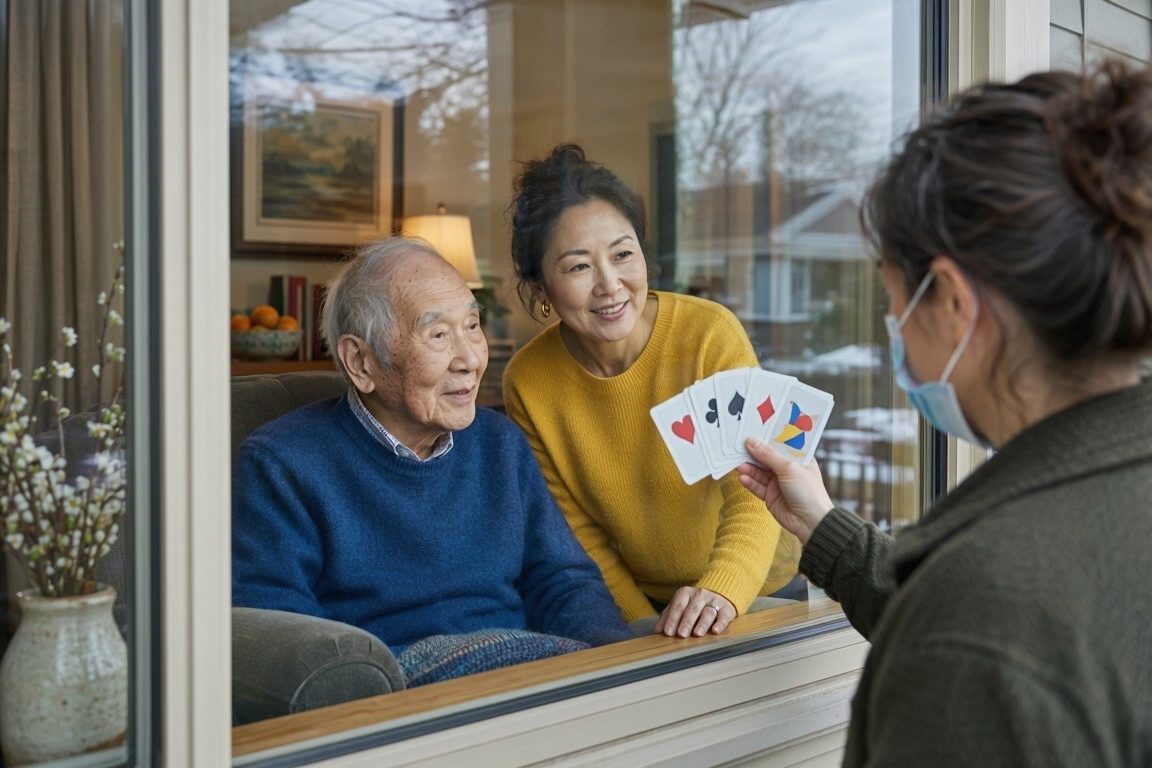
The pandemic didn't just add a layer of difficulty to dementia caregiving; it fundamentally destabilized the fragile ecosystem that families and professionals had built. Social distancing measures, while necessary for physical health, created a profound sense of isolation for both the person with dementia and their caregiver. As one expert noted, families who were used to seeing their loved one with dementia weekly or even daily suddenly had that connection taken away, often without the person with dementia understanding why they had to see their daughter or spouse through a window pane. This loss of familiar faces and routines can trigger increased confusion, anxiety, and behavioral symptoms like aggression or agitation, which then adds to the caregiver's emotional load.
The Hidden Toll on Caregiver Health and Access to Care
Beyond the immediate emotional impact, the pandemic caused a significant reduction in regular medical appointments and screenings. Many caregivers reported that they would rather risk a health crisis like a heart attack than take the chance of getting COVID-19 by visiting a hospital or clinic. This avoidance of care, combined with the constant stress of managing a loved one's dementia without the usual in-person support from adult day centers, respite care, or even a brief visit from a friend, led to a sharp rise in caregiver burnout, depression, and physical health problems. The psychological strain became a major predictor of a caregiver's quality of life and their ability to provide effective care, creating a vicious cycle where the caregiver's own health declined, further compromising the quality of care they could offer.
A Setback in Progress and the Emergence of a 'Fresh' Challenge
Before the pandemic, there was a growing collective knowledge and awareness about dementia and how to provide person-centered care. The pandemic threw a wrench into that progress. As one dementia care expert observed, we lost so much ground culturally, and we seem to have gone back to some older, less helpful ideas about what dementia symptoms mean. This regression is partly because many experienced support group facilitators, trainers, and even some professional caregivers left the field or were reassigned. The result is that a new wave of caregivers, both family and professional, are now facing the same steep learning curve with fewer resources and less community wisdom to draw upon. This makes the need for clear, practical guidance more urgent than ever.
The Intensification of Pre-Existing Burdens
The pandemic did not create new caregiving challenges so much as it poured gasoline on existing ones. The core burdens of dementia caregiving, the physical strain of daily tasks like hygiene and meal preparation, the emotional toll of managing behavioral changes like aggression and sleep disturbances, and the social strain of a long, unpredictable journey, were all amplified. Caregivers who were already on the edge of burnout found themselves with even fewer outlets for relief. The loss of in-person support groups, the cancellation of respite care, and the fear of bringing the virus home from a grocery store or pharmacy all contributed to a sense of being trapped. This is why understanding the pandemic's impact is not about looking backward, but about recognizing the new baseline of challenges so you can build a stronger, more resilient caregiving plan moving forward.
Practical tools
3
Structured daily schedule template
A printable or digital grid with time slots for wake-up, meals, cognitive activities, physical movement, and bedtime, designed to be personalized to the care recipient’s baseline preferences.
Telehealth readiness checklist
A step-by-step guide covering device setup, platform registration, medication list preparation, and questions to ask during a dementia-focused virtual visit.
Social re-engagement risk-benefit worksheet
A simple tool to evaluate each potential contact (person, setting, duration) against the care recipient’s health status and community transmission levels, helping caregivers make informed decisions about in-person visits.
Different situations
For a spouse caring for a partner with early-stage dementia
The pandemic may have accelerated feelings of grief and loss of the marital relationship. Spouses often report that the isolation made them feel more like a nurse than a partner. Prioritize carving out 15 minutes a day for a non-caregiving activity you both enjoy, like listening to old music or looking at a wedding album. Also, consider joining a support group specifically for spousal caregivers, as the emotional dynamics are unique.
For an adult child caring for a parent with dementia from a distance
The pandemic made distance caregiving even harder due to travel restrictions and fear of infection. If you cannot visit in person, establish a 'care team' of local contacts (neighbor, friend, hired caregiver) who can check in physically. Use a shared digital notebook (like Google Keep or a simple shared document) to log daily observations about mood, appetite, and behavior. This helps you stay informed and coordinate care without being there.
For a person with Lewy body dementia (LBD)
People with LBD are particularly sensitive to stress and changes in routine, which the pandemic caused in abundance. They may experience more severe fluctuations in cognition, hallucinations, or movement problems. Be extra vigilant about maintaining a consistent sleep schedule, as sleep disturbances are a hallmark of LBD. Also, discuss any new or worsening symptoms with a neurologist, as some COVID-related stress can mimic or worsen LBD symptoms.
For a person in a memory care facility or nursing home
The pandemic led to prolonged isolation for residents, which can accelerate cognitive and physical decline. If your loved one is in a facility, advocate for 'compassionate care visits' even if restrictions are in place. Ask the facility about their current policy for outdoor or window visits. Also, request a care plan meeting to discuss how they are addressing the emotional and social needs of residents post-pandemic, not just their medical needs.
For a professional caregiver (home health aide, nurse)
Professional caregivers experienced high rates of burnout, compassion fatigue, and moral injury during the pandemic. You may feel less patient or more detached than before. It is crucial to seek your own support, whether through a peer support group for healthcare workers or counseling. Also, ask your employer for updated dementia-specific training, as the pandemic may have caused a 'skill fade' in person-centered techniques. Remember, your own well-being is essential to providing quality care.
For the doctor
5
- Ask the doctor: 'Given that my loved one missed regular check-ups during the pandemic, are there any specific screenings (like for blood pressure, diabetes, or cancer) that we should prioritize now?'
- Ask the doctor: 'My own stress levels have been very high since the pandemic. Can you screen me for depression or anxiety, and are there any safe, non-medication strategies you recommend for caregiver stress?'
- Ask the doctor: 'The pandemic disrupted our sleep routine. Are there any medication side effects or interactions that could be making my loved one's sleep problems worse? Should we review their current medications?'
- Ask the doctor: 'I am worried that the social isolation has caused a decline in my loved one's cognitive or physical function. How can we tell what is a temporary setback versus a progression of the disease?'
- Ask the doctor: 'If I need to use respite care or consider a facility, what are the current COVID-19 safety protocols you recommend I look for to keep my loved one safe?'