Step by step
What not to do
- Do not assume a fall is just a clumsy accident. In dementia, falls are often a sign of worsening balance or judgment. Instead of brushing it off, assess the environment and consider a mobility aid or a home safety evaluation.
- Do not ignore a sudden change in behavior as ‘just the dementia getting worse.’ It could be a UTI, pneumonia, or delirium from a medication. Always check for physical causes first, especially if the change is sudden.
- Do not try to manage a severe infection at home without medical advice. Infections in severe dementia can escalate quickly. Call the doctor promptly rather than waiting to see if it gets better.
- Do not let your loved one skip meals or fluids because they are ‘not hungry.’ Dehydration and malnutrition increase infection risk. Offer small, frequent meals and favorite drinks. If they resist, try different temperatures or textures.
- Do not assume the hospital will automatically know how to care for someone with dementia. You are their best advocate. Speak up about their needs, routines, and what calms them. Ask for a ‘dementia care’ consult if available.
Key points
- Hospitalization reasons change with functional impairment: falls are top in mild/moderate stages; infections are top in severe stages.
- Falls are not accidents, they are a predictable risk that can be reduced with home safety and mobility aids.
- Infections (pneumonia, UTIs) are the leading cause of hospitalization in severe dementia; watch for subtle signs like increased confusion.
- Hospitalization itself can harm someone with dementia, delirium, functional decline, and longer stays are common.
- You are the best advocate: use the three-question script in the ER and bring a go-bag with key documents.
- Personalize prevention based on dementia type and stage, what works for Alzheimer’s may not work for Lewy body or FTD.
Videos
 7 Reasons People With Dementia Fall (and how to help)This video directly addresses fall prevention, which is the top hospitalization reason in mild to moderate stages. It gives practical tips you can use today.
 Palliative Care and Hospice When your Loved one has Dementia - When is it time?This helps you understand when to shift from aggressive treatment to comfort care, especially relevant for severe stage where infections become frequent.
 What’s The Difference Between Alzheimer’s Disease And Dementia?Understanding the type of dementia helps you anticipate specific risks (e.g., falls in Lewy body, behavioral issues in FTD).
 Mixed DementiaMany people have mixed dementia, which can combine risks from Alzheimer’s and vascular issues, important for tailoring prevention.
2 more videos
 Frontotemporal Dementia: Signs and SymptomsFTD often presents with behavioral changes and falls from impulsivity, this video helps you recognize those early signs.
 HELP! Why Wont The Doctor Diagnosis Dementia?If you are struggling to get a clear diagnosis, this video explains why and how to advocate for a proper evaluation, which is key to understanding hospitalization risks.
Background
Why Hospitalization Reasons Shift with Functional Impairment
Dementia is more than memory loss, it’s a progressive condition that gradually takes away a person’s ability to handle everyday activities. Researchers separate these activities into two groups: instrumental activities of daily living (IADLs) like managing money, driving, cooking, and using the phone, and basic activities of daily living (ADLs) like dressing, bathing, eating, and walking. As dementia worsens, a person moves from needing help with IADLs to needing help with ADLs, and eventually becomes fully dependent. This shift in functional impairment directly changes what sends them to the hospital.
Mild to Moderate Impairment: Falls Are the Top Threat
In the early and middle stages, when a person can still do some things on their own but may struggle with planning or judgment, falls are the most common reason for hospitalization. Studies show that among people with mild functional impairment, about 17.7% of hospitalizations are due to falls, and for those with moderate impairment, it rises to 21.9%. Why? Because they are still mobile and active, but their balance, coordination, and ability to spot hazards are declining. They might trip over a rug, misjudge a step, or try to do something unsafe like climb a ladder. Falls can lead to fractures, head injuries, and a cascade of other problems, including a higher risk of early placement in memory care or even premature death.
Severe Impairment: Infections Become the Leading Cause
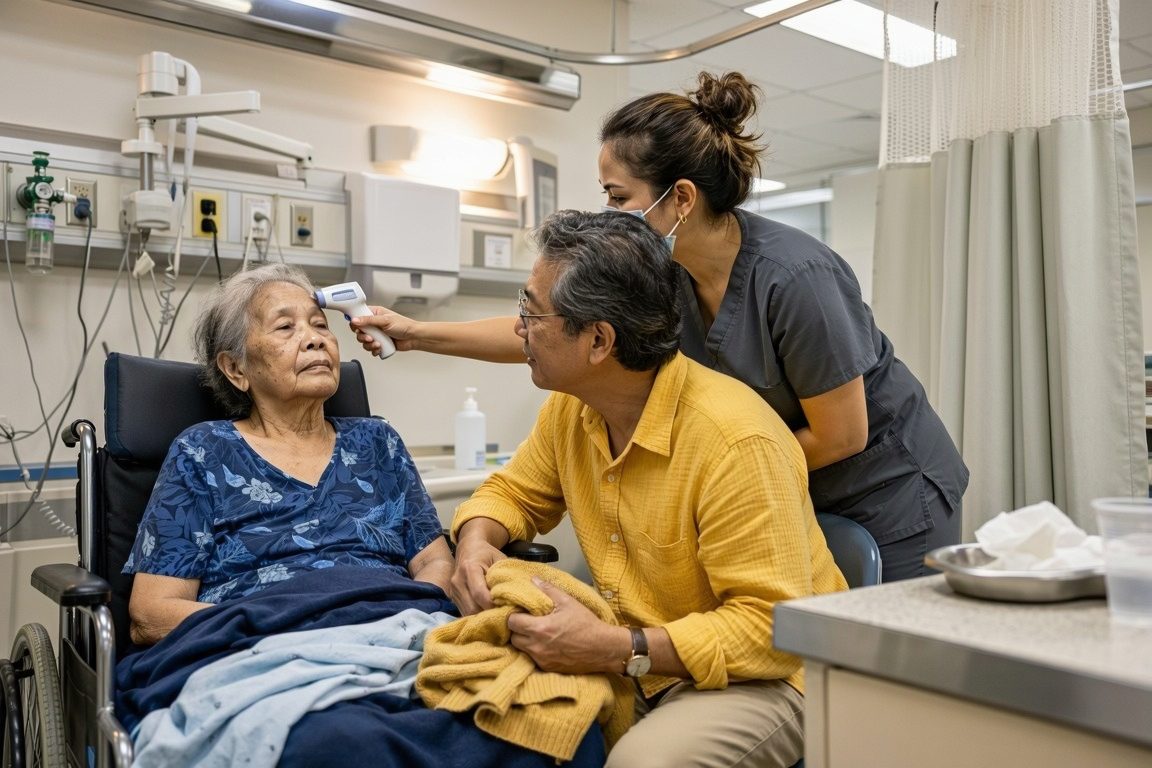
Once a person reaches severe functional impairment, meaning they need help with almost all basic activities like eating, toileting, and moving, infections take over as the top reason for hospitalization. In fact, about 30.3% of hospitalizations in this group are due to infections. Pneumonia and urinary tract infections (UTIs) are the most common culprits. This happens because the body becomes frailer, the immune system weakens, and the person may have trouble swallowing (leading to aspiration pneumonia) or may not be able to communicate symptoms of a UTI. A UTI can also cause sudden confusion or delirium, which might be mistaken for a worsening of dementia. Hospitalization itself can be risky for someone with severe dementia, often leading to delirium, functional decline, and longer stays.
Other Common Reasons Across All Stages
Beyond falls and infections, people with dementia are also hospitalized for cardiovascular and pulmonary issues (like heart failure or COPD flare-ups), gastrointestinal problems, and syncope (fainting). Many have multiple chronic conditions, people with dementia are more than five times as likely to have six or more other health problems compared to those without dementia. So a hospitalization might be for a heart issue or a lung infection that is made worse by the dementia. Delirium itself, a sudden, severe confusion often triggered by illness or medication, is also a common reason for admission and can be a sign of an underlying infection or other medical problem.
Practical tools
4
Fall Prevention Checklist for Mild to Moderate Dementia
Print this list and check it weekly:
Infection Watch Card for Severe Dementia
Keep this card in your wallet or phone:
If you see any, call the doctor immediately. Say: ‘My loved one has dementia and I think they may have an infection.’
Hospital Go-Bag for Dementia
Pack a small bag with:
The ‘Three-Question’ Script for the ER
When you arrive at the ER, say to the triage nurse:
This sets the stage for better care.
Different situations
Lewy body dementia
Falls are even more common because of Parkinson-like symptoms (stiffness, shuffling gait, tremors). Also, people with Lewy body dementia are very sensitive to antipsychotic medications, which can cause severe side effects. If hospitalized, insist that the team avoid these drugs unless absolutely necessary. Watch for visual hallucinations that might lead to falls if they try to ‘step over’ something that isn’t there.
Frontotemporal dementia (FTD)
In early stages, falls may be less common because memory is relatively preserved, but risky behaviors (like climbing, wandering into traffic) can lead to injuries. Hospitalizations may also be for behavioral crises (aggression, impulsivity) rather than medical issues. Work with a behavioral specialist to manage these without resorting to sedatives that increase fall risk.
Late stage / bedbound
Infections are the overwhelming risk. Focus on skin care to prevent pressure ulcers (turn every 2 hours, use special mattresses). Swallowing problems are common, ask about a feeding tube only after a thorough discussion with a palliative care team, as it may not reduce pneumonia risk. Hospice should be considered when the person is largely bedbound, incontinent, and has had recurrent infections or weight loss.
Adult child vs. spouse caregiver
Adult children may need to coordinate with siblings and may have less authority to make decisions. Spouses often know the person’s history best but may be exhausted. Both should use the hospital go-bag and the three-question script. If you are an adult child, ask the hospital to include the spouse in all care discussions, even if you are the primary contact.
In a facility (assisted living or nursing home)
Facilities should have fall prevention and infection control protocols. If your loved one is hospitalized from a facility, ask the facility to send a summary of their baseline function and any recent changes. After discharge, the facility may need to adjust their care plan, request a care conference within a week. If falls keep happening, ask for a physical therapy evaluation or a change in room location.
For the doctor
5
- Ask the doctor: ‘Based on my loved one’s functional stage, what are the top three things I can do to prevent hospitalization?’
- If they have had a fall, ask: ‘Should we consider a bone density test or medication to strengthen bones?’
- If they have recurrent infections, ask: ‘Is there a swallowing evaluation needed? Should we consider a preventive antibiotic or vaccine (like pneumonia or flu shot)?’
- If they are in severe stage, ask: ‘When should we start discussing hospice? What are the signs that hospitalization may no longer be beneficial?’
- Ask about any medications that might increase fall risk, such as blood pressure meds, sleep aids, or anticholinergics. Request a medication review.