Step by step
What not to do
- Do not rely on your loved one to remember safety rules. They may have known to never leave the stove on, but now their brain cannot hold that information.Instead, remove the knobs or use a stove lock. Do not argue or remind them; just change the environment.
- Do not hide the car keys in a 'secret' spot they might find. They may search for hours and become more agitated.Instead, keep keys in a locked drawer or on your person. If they are no longer safe to drive, remove the car from the property or disable it (remove the battery cable).
- Do not use physical restraints or lock them in a room. This can cause panic, injury, and a loss of trust. It is also illegal in many places.Instead, use alarms, locks that require a key, and supervision. Safety comes from design, not force.
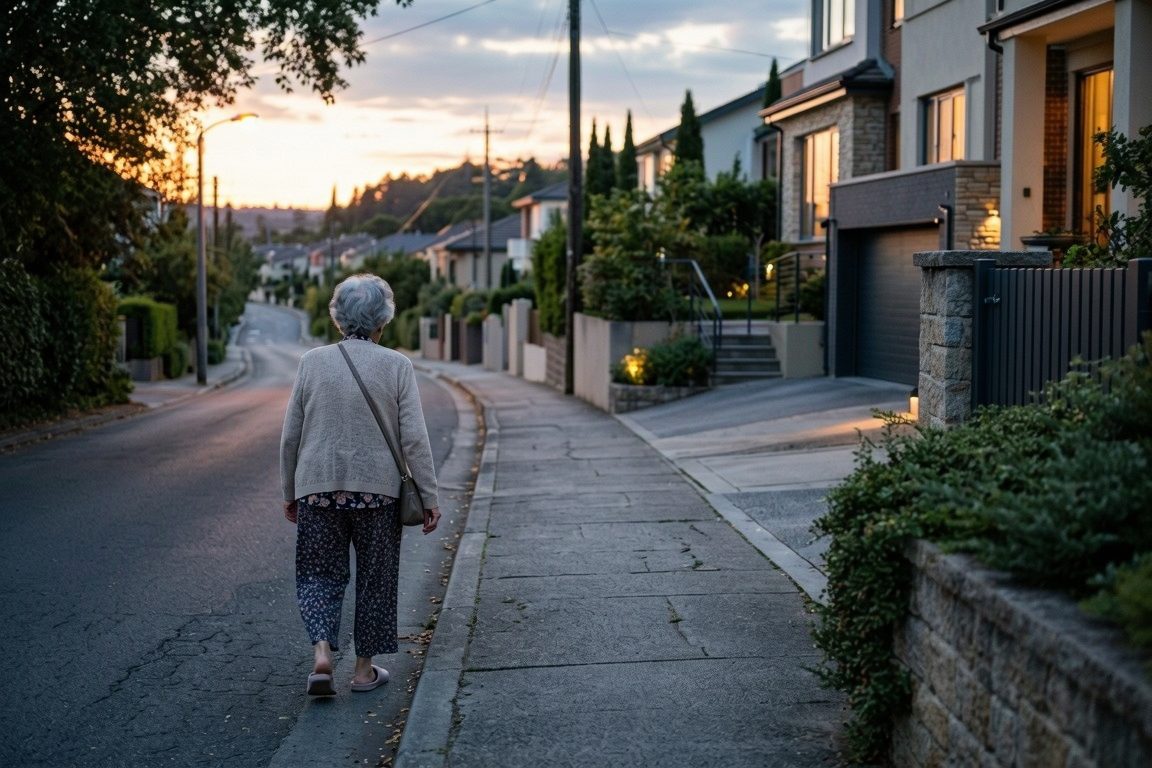
- Do not wait until an emergency to talk to neighbors. They may not know your loved one has dementia and might assume they are just out for a walk. Introduce yourself, explain the situation, and give them a photo and your phone number. Ask them to call you if they see your loved one outside alone.
- Do not assume a fire alarm will wake your loved one. People with dementia often sleep deeply and may not respond to alarms. Install a monitored alarm system that alerts you and the fire department. Also, place a smoke detector in their bedroom that is loud enough to wake you, even from another room.
- Do not panic if they wander and you cannot find them immediately. Call 911 right away. Do not wait to search on your own. Tell the dispatcher your loved one has dementia and give them a description. The first 30 minutes are critical. Stay calm and follow the dispatcher's instructions.
Key points
- Register your loved one with local emergency services and the Alzheimer's Association Safe Return program now, before an emergency.
- Install smoke detectors, stove knob covers, and door alarms. Test them monthly and practice drills.
- Create a 'File of Life' and a 'go-bag' with medications, photos, and emergency contacts. Keep them accessible.
- Identify a backup caregiver and research local respite options before you need them.
- Do not rely on your loved one to remember safety rules. Change the environment instead.
- Call 911 immediately if your loved one wanders. Do not wait to search on your own.

Background
Why Wandering and Fire Are Linked in Dementia Care
Wandering and fire risks often go hand-in-hand because both stem from the same underlying changes in the brain. As dementia progresses, a person may lose the ability to recognize danger, remember that a stove is on, or understand why they should not walk out the door in the middle of the night. The part of the brain that helps us pause and think before acting becomes damaged, leading to impulsive decisions. This means a person might try to leave the house to 'go home' even though they are already home, or they might forget they left a pot on the burner and walk away. These behaviors are not deliberate; they are symptoms of the disease, and they can escalate quickly into emergencies.
The Primitive Brain Takes Over in a Crisis
When an emergency happens, the thinking part of the brain shuts down even more. For someone with dementia, this means they cannot process new information, follow instructions, or make safe choices. They may become frozen, agitated, or try to run toward danger rather than away from it. This is why planning ahead is so critical. You cannot rely on your loved one to understand what is happening or to cooperate in the moment. Your job is to have systems in place that protect them before their brain has to make a decision. This includes both preventing the emergency from starting and having a clear, practiced response if it does.
The Emotional Toll on You, the Caregiver
The fear of your loved one wandering into traffic or being trapped in a fire is real and heavy. Many caregivers carry this worry daily, and it can lead to exhaustion, hypervigilance, and guilt. Knowing that you have a plan can reduce that anxiety. When you take concrete steps now, you are not only protecting your loved one but also giving yourself permission to rest a little easier. You are doing the hard work of preparation so that if something happens, you can focus on action instead of panic.
Practical tools
6
Door and Window Alarms
Simple battery-operated alarms that chime when a door or window is opened. Place them on all exterior doors and any windows that are easily accessible. You can buy them at any hardware store for under $20. Test them weekly. For a more advanced option, consider a smart home system that sends an alert to your phone. The sound alone may deter your loved one from leaving, and it gives you a heads-up.
Stove Knob Covers and Automatic Shut-Off Devices
Stove knob covers are plastic shields that snap over the knobs and require a specific motion to turn. They are inexpensive and easy to install. For gas stoves, consider a device like the 'iGuardStove' that automatically turns off the gas if no motion is detected nearby for a set time. For electric stoves, use a timer or a smart plug that can be controlled from your phone. These tools prevent the most common fire source in dementia care.
GPS Tracker (Wearable or in a Shoe)
A small GPS device that your loved one wears as a watch, pendant, or clipped to a belt. Some models can be sewn into the sole of a shoe. These devices allow you to track their location in real time from your phone. Popular options include 'AngelSense' and 'Jiobit'. Discuss with your clinician if this is appropriate for your loved one's stage. It is not a substitute for supervision, but it can help you find them quickly if they wander.
Emergency Contact Card and Photo
Create a laminated card that your loved one can carry in their pocket or wallet. On one side, write: 'I have memory problems. If I am lost, please call [your name and phone number].' On the other side, attach a recent photo. You can also order medical ID bracelets with the same info. This helps strangers and first responders help them get home safely.
Nightlights and Motion-Sensor Path Lighting
Place nightlights in hallways, bathrooms, and the bedroom. Use motion-sensor lights that turn on automatically when someone walks by. This reduces the chance of falls and helps your loved one find the bathroom instead of wandering toward an exit. You can also use colored tape on the floor to create a path from the bed to the bathroom. This simple visual cue can prevent disorientation at night.
Fire Escape Ladder (for multi-story homes)
If your bedroom is on a second floor, keep a fire escape ladder under the bed. Practice using it once so you know how it works. In a fire, you may need to help your loved one down the ladder. Only use this if the stairs are blocked. Discuss with your clinician or a fire safety expert if this is appropriate for your home and your loved one's mobility.
Different situations
Early-stage dementia (still living alone or with minimal supervision)
Focus on prevention through routine and check-ins. Set a daily time to call or visit. Use a shared calendar for appointments. Consider a medical alert system with fall detection and GPS. For fire safety, install a smart smoke detector that sends alerts to your phone. Discuss with your clinician about driving safety and alternative transportation options. Do not assume they will recognize danger.
Lewy body dementia or Parkinson's disease dementia
These conditions often involve visual hallucinations and extreme sensitivity to medications. Fire and wandering risks are higher because the person may see things that are not there (e.g., a person at the door) and try to leave. They may also have sudden changes in alertness. Use low-level lighting at night to reduce hallucinations. Avoid using alarms that are too loud or startling. Discuss with your clinician about medication adjustments that might reduce agitation.
Late-stage dementia (bedridden or very limited mobility)
Wandering is less likely, but fire risk remains if the person smokes or uses oxygen. Never leave them alone with a lit cigarette or near an open flame. If they use oxygen, keep it at least 10 feet from any heat source. For fire evacuation, you may need a wheelchair or a transport chair. Practice lifting and moving them quickly. Keep a 'go-bag' with their medications and a list of their care needs. Discuss with your clinician about a palliative care plan that includes emergency protocols.
Spouse vs. adult child caregiver
Spouses may be more reluctant to call for help or change the home environment. They may feel they are betraying their partner. If you are an adult child, you may need to gently insist on safety changes. Use 'we' language: 'We need to do this to keep Mom safe.' If the spouse resists, involve a doctor or social worker. For both roles, prioritize your own self-care. You cannot be a good caregiver if you are exhausted and stressed.
Living in a facility (assisted living or memory care)
Even in a facility, wandering and fire risks exist. Ask the facility about their emergency plan. Do they have a 'wandering response team'? Are doors alarmed? Do they practice fire drills with residents? Visit during a drill to see how staff handle it. Keep a 'go-bag' with your loved one's essentials at the facility. Make sure staff have your contact info and know your loved one's diagnosis. If you are not satisfied with their plan, advocate for changes or consider moving.
For the doctor
5
- Ask your doctor: 'Is a GPS tracker or medical alert system appropriate for my loved one's stage and cognitive abilities? Some devices may cause confusion or anxiety.'
- Ask your doctor: 'Are any of my loved one's medications increasing fall risk or causing drowsiness, which could make fire evacuation harder? Could any medications be adjusted to reduce agitation or wandering?'
- If your loved one uses oxygen, ask your doctor: 'What are the fire-safe practices for oxygen use, and would a different delivery method, like a concentrator instead of tanks, be safer?'
- Ask your doctor: 'Can you refer me to an occupational therapist who can assess our home for fire and wandering hazards and suggest specific modifications?'
- Ask your doctor: 'What advance directives or 'do not resuscitate' orders might be appropriate for my loved one's wishes, and how can these guide emergency responders in a crisis?'