
Step by step
What not to do
- Do not assume that atypical antipsychotics are 'safe' because they are newer. Both classes carry a black box warning, and atypicals still increase death risk by 1.6-1.7 times. Always weigh risks against potential benefits.
- Do not accept a prescription without asking about the specific drug's mortality data. For example, one large study reported approximately a five-fold increased risk with haloperidol, but individual studies and patient factors vary. Ask why a higher-risk drug was chosen and confirm the numbers with the clinician.
- Do not stop the drug abruptly without medical guidance. Suddenly stopping an antipsychotic can cause withdrawal symptoms or a rebound of agitation. Always work with the doctor on a gradual taper plan.
- Do not rely on antipsychotics as a first-line treatment for sleep problems or sundowning. Non-drug approaches (bright light therapy, daytime activity, consistent bedtime routine) are safer and often more effective. Antipsychotics can worsen confusion and increase fall risk.
- Do not ignore signs of infection or cardiac symptoms. Many deaths from antipsychotics are due to pneumonia or heart problems. If your loved one develops a cough, fever, chest pain, or shortness of breath, seek medical help immediately.
Key points
- Both conventional and atypical antipsychotics carry a black box warning for increased risk of death in elderly dementia patients.
- Conventional antipsychotics (e.g., haloperidol) are at least as risky as atypicals, and some studies show they may be even more dangerous, especially early in treatment and at higher doses.
- The risk of death is highest in the first 30 days and is often due to cardiac events or infections like pneumonia.
- Non-drug strategies should always be tried first and continued alongside any medication.
- If an antipsychotic is used, it should be at the lowest effective dose for the shortest possible time, with regular monitoring and a plan for tapering.
- Always have a direct conversation with the doctor about the specific drug, its risks, and the expected benefits before starting.
Videos
 Deprescribing Antipsychotics in Older AdultsThis video provides practical guidance on how to safely reduce or stop antipsychotics, which is crucial given the mortality risk. It shows caregivers how to work with doctors on tapering.
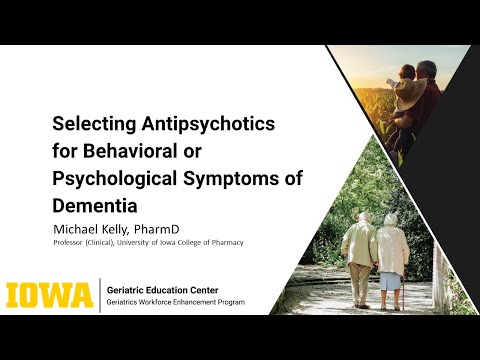 Selecting Antipsychotics for Behavioral or Psychological Symptoms of DementiaThis video helps caregivers understand the decision-making process for choosing an antipsychotic, including the differences between conventional and atypical drugs.
 Pharmacologic Management of Neuropsychiatric Symptoms in DementiaThis video reviews the evidence for antipsychotics and other medications, emphasizing the risks and the importance of non-drug approaches.
 Dementia Therapies and InterventionsThis video covers a range of non-drug therapies that can reduce the need for antipsychotics, such as behavioral interventions and environmental modifications.
2 more videos
 Medications Used in Dementia: What Caregivers Should Know | Sarah Mourra MD | UCLAMDChatThis video explains the risks and benefits of dementia medications, including antipsychotics, in a caregiver-friendly way. It also discusses the black box warning.
 Caregiver Strategies How to Deal with Dementia Care Challenges Sundowning, Anxiety, and RestlessnessThis video offers practical non-drug strategies for managing common dementia behaviors, which can help avoid or reduce the need for antipsychotics.
Background
The Black Box Warning: Both Types Are Risky
In 2005, the FDA issued a black box warning for atypical antipsychotics after meta-analyses showed they increased the risk of death by 1.6 to 1.7 times compared to placebo in elderly dementia patients. Most deaths were from cardiac causes (like heart failure or sudden cardiac death) or infections (like pneumonia). Later, the warning was extended to conventional antipsychotics as well. This means no antipsychotic is approved for dementia-related psychosis, and both classes carry serious mortality risk.
Conventional Antipsychotics: Higher Risk, Especially Early On
Research comparing the two classes directly found that conventional antipsychotics are at least as likely as atypicals to increase death risk, and some studies suggest they may be even more dangerous. For example, one large study showed that the risk of death was about 50% higher for conventional drugs compared to atypicals. The greatest increase in risk occurs soon after therapy is initiated and with higher dosages. One large study reported approximately a five-fold increase in death risk with haloperidol compared to no treatment, while atypicals like olanzapine, risperidone, and quetiapine showed 2-3 times higher risk. However, individual studies and patient factors vary, so always discuss the specific risks and benefits for your loved one with the prescribing doctor. The leading cause of death was pneumonia, followed by cardiovascular events.
Why This Matters for Your Loved One
As a caregiver, you may be desperate for relief from agitation, aggression, or psychosis. But these drugs do not treat the dementia itself, they only manage symptoms. The decision to start an antipsychotic should never be taken lightly. The risks are highest in the first 30 days, and the benefits are often modest, with many patients showing no improvement. Non-drug approaches, like environmental changes, behavioral strategies, and treating underlying causes (pain, infection, constipation), should always be tried first. If medication is necessary, the goal is to use the lowest effective dose for the shortest time, with regular monitoring for side effects like drowsiness, confusion, falls, and movement disorders.
Practical tools
5
Medication Comparison Card
Create a simple card listing the antipsychotic name, class (conventional vs. atypical), starting dose, and key risks. For example: Haloperidol (conventional) – one study reported approximately 5x death risk vs. no treatment (confirm with your doctor); Risperidone (atypical) – studies show about 2-3x risk (ask your doctor for the specific number for your loved one). Keep this card with you during doctor visits to ask informed questions.
Behavior Log Template
Use a notebook or app to track daily: time of day, behavior (e.g., aggression, hallucinations), what happened before (trigger), what you tried, and the outcome. Also note any side effects (drowsiness, falls). This helps the doctor decide if the drug is helping or harming.
Doctor Discussion Script
Print or memorize these phrases:
Non-Drug First Checklist
Before agreeing to an antipsychotic, run through this checklist:
Taper Schedule Template
If the doctor agrees to stop the drug, ask for a written taper plan. Example: Reduce dose by 25% every 1-2 weeks, monitor for withdrawal or return of symptoms. If symptoms return, hold the dose and consult the doctor. Never stop suddenly.
Different situations
Lewy body dementia or Parkinson's disease dementia
These conditions are extremely sensitive to antipsychotics, especially conventional ones, which can cause severe movement problems (neuroleptic sensitivity) and even death. Atypical antipsychotics like quetiapine or clozapine are sometimes used with extreme caution, but the mortality risk remains. Non-drug strategies are even more critical here. Always discuss with a neurologist specializing in movement disorders.
Late-stage dementia (severe cognitive decline)
In late stages, the risk of falls, infections, and cardiac events is already high. Antipsychotics can tip the balance toward serious harm. The focus should be on comfort care, pain management, and environmental calming. If antipsychotics are used, the dose should be minimal and the duration as short as possible. Consider hospice consultation for symptom management.
Spouse vs. adult child caregiver
Spouses may feel more pressure to keep their loved one at home and may accept higher risks to manage behaviors. Adult children may be more willing to try non-drug approaches but may face resistance from the parent. Both roles should seek support from dementia care consultants or support groups to discuss the emotional weight of these decisions.
In a nursing home or assisted living facility
Facilities may be pressured to use antipsychotics for behavioral management due to staffing shortages. Federal regulations require that non-drug approaches be tried first and that antipsychotic use be documented with a clear indication and regular dose reduction attempts. You have the right to request a review of the medication and to ask for a trial off the drug. The facility should provide a care plan meeting to discuss this.
Medicaid or limited resources
Access to non-drug therapies (like behavioral specialists, music therapy, or adult day care) may be limited. However, many state Medicaid programs cover dementia care consultations or caregiver training. Ask your doctor or social worker about local resources. Even simple strategies like a consistent routine, calming music, or a pet visit can help without cost.
For the doctor
6
- Ask your doctor: 'What is the specific mortality risk for the antipsychotic you are recommending, compared to other options or no treatment?'
- Ask: 'How will we monitor for cardiac side effects, like changes in heart rhythm or signs of heart failure?'
- Ask: 'What is the plan for regular blood tests or EKGs, especially if the drug is used long-term?'
- Ask: 'If my loved one develops an infection, like pneumonia, should we stop the antipsychotic temporarily?'
- Ask: 'Can we try a non-drug approach first, and if that fails, what is the lowest dose and shortest duration we can use?'
- Ask: 'What is the specific starting dose you recommend, and can we start even lower to minimize risk?'