Step by step
What not to do
- Don't wait until you're burned out to ask for help. Prevention is easier than recovery, and starting early avoids a harder crisis later.
- Don't make vague asks like 'let me know if you need anything.' Give a specific task, time, and name: 'Could you pick up my prescription on Tuesday at 3 PM?'
- Don't turn down a willing helper just because they can't do the one task you had in mind. A neighbor who can't mow might be great at making a meal, match their offer to what you need.
- Don't withdraw out of shame or embarrassment. Frustration, anger, and grief are normal, sharing them in a support group or with a trusted friend is healthy; bottling them up makes the burden heavier.
- Don't let helpers drift away without a quick thank-you or update. An unacknowledged helper often stops helping; a short message of gratitude keeps your network engaged.
Key points
- You don't have to wait until you're broken to ask for help, start building your network early.
- Use the 'no butt' approach: ask for small, specific tasks and reserve the right to ask again later.
- Online support groups (Facebook, Zoom) are just as effective as in-person groups, use them if you can't leave home.
- Match the task to the person: a neighbor who can't mow might be great at making a meal.
- Join a support group through the Alzheimer's Association (800.272.3900) or your local Area Agency on Aging.
- Reassess your network as your loved one's dementia progresses, your needs will change.
Videos
 How Can Peer Support Combat Caregiver Isolation?This video explains why peer support is so effective at reducing loneliness and provides validation that you are not alone.
 Debra Hallisey - Former Caregiver, Author, & Founder of Advocate for Mom and DadDebra shares her personal experience of building a support network and offers practical tips for asking for help without feeling guilty.
 How Can Local Dementia Support Groups Prevent Caregiver Burnout? - Dementia Help HubThis video outlines how support groups prevent burnout through social connection, practical advice, and access to respite.
 Ambiguous Loss in a Time of Pandemic on Alzheimer’s Speaks RadioThis video discusses the unique grief caregivers experience and how support groups can help you process ambiguous loss.
2 more videos
 136. 5 Tips How To Decrease Your Overwhelm In Dementia CaregivingThis video offers five concrete tips, including the importance of routine and finding support, to help you feel less overwhelmed.
 How To Find Local Dementia Caregiver Support Groups? - TestThis video provides step-by-step instructions for finding local support groups using national organizations and local resources.
Background
Why You Feel Alone (And Why That’s Normal)
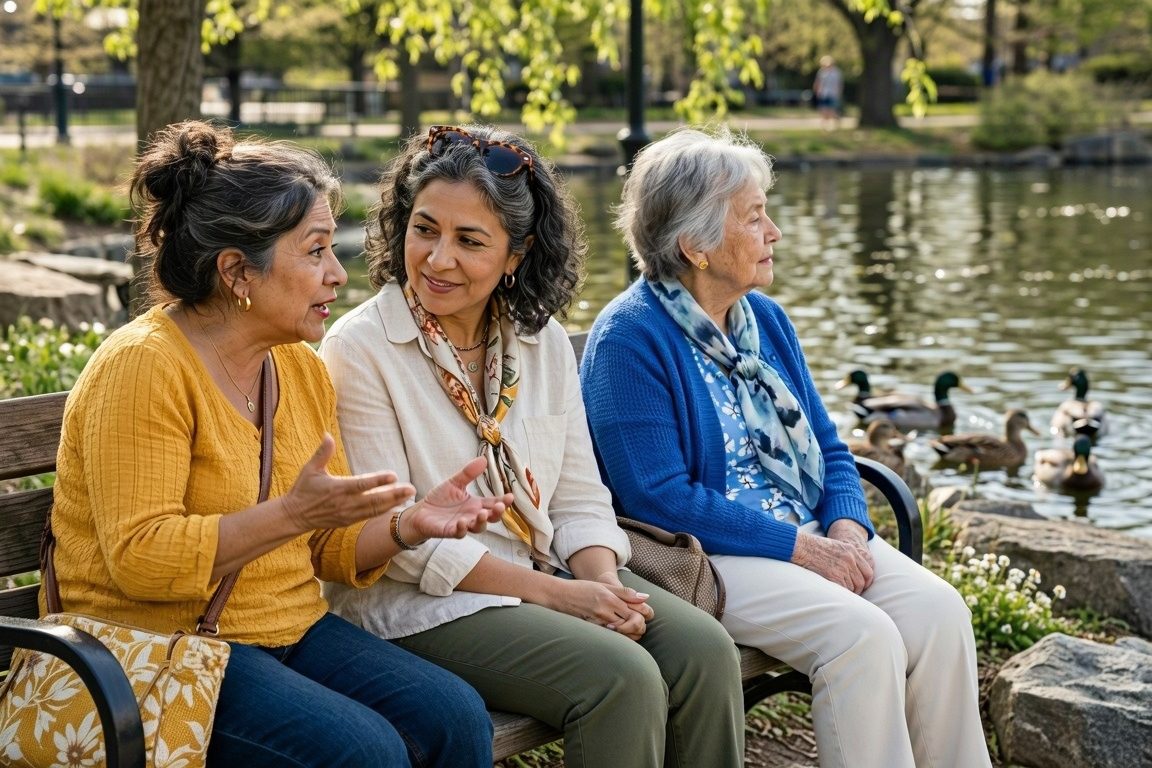
Caring for someone with dementia is an incredibly selfless act, but it can also be profoundly isolating. You might find yourself feeling overwhelmed, misunderstood, or simply alone in your daily struggles. This happens because your life now revolves around the needs of another person, leaving little room for your own social connections or personal well-being. The unpredictability of dementia, good days followed by hard days, can make it feel like no one else truly gets what you're going through. Peer support directly combats this isolation by connecting you with others who are walking a similar path. It offers a unique space where shared experiences foster understanding, empathy, and a strong sense of community, significantly reducing feelings of loneliness and burden. The core mechanism behind this relief is validation: when you share your challenges and hear others describe similar situations, it confirms that you are not alone and that your feelings are normal.
What a Support Network Actually Looks Like
A support network isn't just one thing, it's a mix of people and resources that help you in different ways. Think of it as a team: some people are good at mowing the lawn, others are good at making a meal, and still others are good at just listening. For a caregiver, your support network should include the same people who are in the care plan for the person with dementia, but it also needs to look beyond that. You need to find people who can offer emotional support, practical help, and information. This can include family members, friends, neighbors, local support groups, online communities, healthcare professionals, and even a dementia coach. The key is to have a variety of helpers so that no single person gets burned out, and you have someone to turn to for different needs.
The Science Behind Why Support Groups Work
Research shows that peer groups, whether online or in person, are very functional and can be as effective as in-person groups. This is true for caregivers, people with dementia, and others facing similar challenges. Online peer groups, such as those on Facebook, can be even more powerful than ad hoc support because they provide a consistent, accessible community. These groups help you develop coping skills, build a community of mutual understanding, and offer educational workshops and resources. They prevent caregiver burnout by fostering social connections, sharing practical advice, encouraging self-care, providing access to respite and professional help, and teaching stress management techniques. All of these elements work together to help you stay strong, healthy, and compassionate while caring for your loved one.
Practical tools
4
The 'Reserve the Right' Ask Script
When asking for help, say: 'I don't need help right now, but I'm going to reserve the right to come back to you when I do.' If they say no, respond: 'That's okay, I'll check back another time.' This removes pressure and gets more yeses.
The Task List
Write down specific tasks you need help with (e.g., 'Sit with Mom for 2 hours on Saturday,' 'Pick up groceries on Tuesday,' 'Call me once a week'). Keep this list on your phone or fridge so you can quickly match a task to a person when they offer to help.
The Community Resource Finder
Use the Alzheimer's Association's free online tool at communityresourcefinder.org, or call 800.272.3900 (24/7) to find local support groups, respite care, and other caregiver services.
The Shared Sign-Up Sheet
Use a free tool like Meal Train, Lotsa Helping Hands, or a shared Google Sheet where friends and family see what's needed and claim a slot. This removes the burden of you coordinating every task.
Different situations
Early-stage Alzheimer's vs. middle/late stage
In early stage, your loved one may still be able to participate in support groups for people with dementia (like those offered by the Alzheimer's Association). You can also attend joint support groups. In middle/late stage, you'll need more hands-on help (respite care, in-home aides) and your support group focus may shift to coping with behavioral changes and grief. Your network should include people who can help with physical care, not just emotional support.
Spouse caregiver vs. adult child caregiver
Spouse caregivers often feel more isolated because their entire social life may have revolved around their partner. They may need more emotional support and help with household tasks. Adult child caregivers often have competing demands (job, kids) and may need help with logistics (transportation, scheduling). Adult children may also benefit from support groups specifically for 'sandwich generation' caregivers.
Rural vs. urban setting
In rural areas, in-person support groups may be far away or nonexistent. Rely more on online groups (Facebook, Zoom) and phone check-ins. You can also start your own small group with neighbors or friends who are also caregiving. In urban areas, you have more options for in-person groups, but they may be crowded or impersonal. Try multiple groups to find one that fits.
Lewy body dementia vs. Alzheimer's
Lewy body dementia often involves more hallucinations, movement issues, and sleep disturbances. Your support network should include people who understand these specific challenges. Look for support groups that specialize in Lewy body dementia (e.g., the Lewy Body Dementia Association). You may also need more help with safety (e.g., fall prevention) and managing medications.
When your loved one is in a facility
Your role shifts from hands-on care to monitoring and advocacy. Your support network should include the facility's social worker, nursing staff, and other families in the facility. Join a support group for families of people in long-term care. You may also need help with legal and financial planning, as well as emotional support for the grief of placing your loved one.
Common questions
5
How can I maintain connection through virtual shared activities when visits aren't possible?
Schedule a regular video call where you both do the same simple activity, like looking at a photo album or listening to a familiar song, so you share an experience rather than just talking.
How can family support groups stay positive rather than turning negative?
Start each meeting by having everyone share one small win from the week, then gently steer back to positive solutions if complaints come up by asking, 'What's one thing that helped you through that?'
How can I maintain social support when caregiving consumes my time (frontotemporal dementia)?
Pick just one 10-minute online support group or one short phone call per week, use a timer if needed, and remind yourself that this small connection is a vital part of your caregiving, not an extra burden.
How can I build a support system and advocate to fight Alzheimer's stigma?
Join a local Alzheimer's Association walk or awareness event, and when someone asks about your loved one, say plainly, 'They have Alzheimer's, and it's a brain disease, not a character flaw,' which fights stigma one conversation at a time.
How can I make the dementia caregiving journey easier from the start?
Start your network journey by writing down one tiny, specific task someone could do for you, like picking up groceries, and ask one person to do it using the 'no butt' approach: just that one task, no guilt.
For the doctor
4
- Ask your doctor or a social worker about local respite care services that might be available to give you a break.
- Discuss with your healthcare provider whether a dementia coach or counselor could help you develop coping strategies for stress and burnout.
- If you are considering using medication reminders or other tools to manage your loved one's safety, ask your pharmacist or doctor about the best options for your specific situation.
- Talk to a geriatric care manager about creating a comprehensive care plan that includes a support network for you as the caregiver.