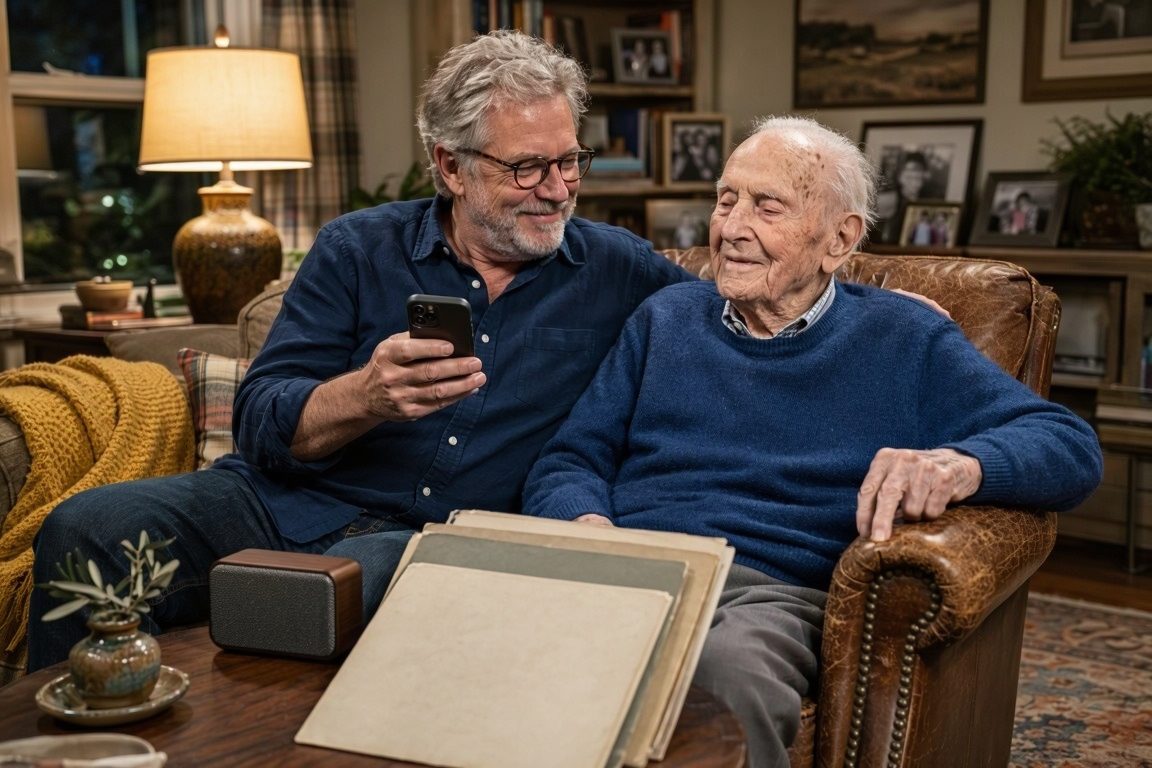
Step by step
What not to do
- Do not play music that is unfamiliar or from a different era. It can cause confusion or distress.Instead, stick to their personal 'music set' from ages 10–25.
- Do not force participation. If they don't want to sing or move, let them just listen. Pressuring them can cause frustration or withdrawal.
- Do not use music as a 'babysitter' or background noise without intention. Music works best when you are present and engaged with the person, not just leaving it on while you do other things.
- Do not play music during meals if the person has trouble swallowing. Singing or laughing while eating can increase the risk of choking. Keep music for before or after meals.
- Do not assume all music is calming. Some songs may trigger sad memories or agitation. Watch for signs of distress and be ready to switch to a different song or turn off the music.
- Do not use the same playlist for every person. Each individual has unique preferences. What works for one person may not work for another.
Key points
- Focus on music from the person's youth (ages 10–25), this is their personal 'music set' with the strongest emotional ties.
- Use music intentionally during specific care moments (calming for stress, upbeat for energy) to reduce challenging behaviors.
- Encourage gentle participation (humming, swaying, clapping) but never force it, let the person respond at their own pace.
- Keep a simple observation log to track which songs work best and which cause distress.
- Repeat the same playlist regularly, it feels fresh to them and builds a comforting routine.
- Consider using headphones for advanced dementia to provide comfort without overstimulation.
Videos
 Top 5 Indoor Activities for Seniors with Dementia (For Free)Includes practical ideas for using music as an activity, such as dancing or listening to familiar songs.
 What are Dementia Friendly Gift ideas? Top 10 gift guide for someone with dementiaSuggests a simple music player as a gift, which can be used for independent playlist listening.
 How to keep a dementia patient busyDemonstrates using music with rhythm instruments (bells, tambourine) to engage the person actively.
 How to Make a Routine That Keeps Dementia Patients Busy (in 30 minutes or less)Shows how to integrate music into a daily routine to reduce challenging behaviors.


Background
Why music works when little else does
Music is processed across many regions of the brain, not just in one spot. For a person with dementia, this means that even as other areas of the brain are damaged, the parts that respond to music often remain intact. A familiar song from their youth can 'light up' the brain, helping them access words, memories, and emotions that seemed lost. This is why someone who cannot hold a conversation may still sing along to an old favorite or tap their foot to a beat.
The 'music set' and why it matters
Research shows that the music we hear between the ages of 10 and 25 becomes our personal 'music set', the songs that are most deeply tied to our identity and memories. For a person with dementia, songs from this period are especially powerful. They can trigger strong, positive emotions and help the person feel more like themselves. This is why playlists should focus on music from their teen and young adult years, not just any 'old' music.
How music can reduce challenging behaviors
When a person with dementia feels anxious, agitated, or withdrawn, music can be a gentle way to shift their mood without medication. Playing a calming song during a stressful moment, like bathing or dressing , can lower anxiety and make care easier. Upbeat music can energize someone who is withdrawn or apathetic. Music can also be used as a 'diversion' to redirect attention away from distressing thoughts or situations.
Practical tools
6
Personalized Playlist Builder
Create a list of 10–15 songs from the person's youth (ages 10–25). Use a streaming service like Spotify or Pandora, or a simple MP3 player. Label the playlist with the person's name and a theme (e.g., 'Mom's 60s Favorites'). Keep it on a device that is easy to access and play.
Simple Music Player (e.g., iPod Shuffle or Mighty Vibe)
A small, simple music player with only a few buttons can be used independently by the person. Load it with their playlist and show them how to press play. This gives them a sense of control and independence.
Music and Memories Program (national/international)
This program provides pre-made playlists and headphones for people with dementia. It is research-backed and can be a great resource if you want a ready-made solution. Check if it is available in your area.
Rhythm Instruments (bells, tambourine, rhythm sticks)
Simple percussion instruments can be used to engage the person physically. Hand them a bell or tambourine and say, 'Let's play along with the music.' This adds a tactile and active element to the listening experience.
Calming Playlist for Care Moments
Create a separate playlist of slow, gentle songs (e.g., classical, soft jazz, or hymns) to use during stressful care tasks like bathing or dressing. Play it at a low volume to create a soothing atmosphere.
Observation Log
Keep a simple notebook or note on your phone to track which songs get a positive reaction (smile, humming, tapping) and which cause distress. Over time, this helps you refine the playlist for maximum benefit.
Different situations
Late-stage dementia (bed-bound, minimal verbal response)
Use headphones with a simple MP3 player loaded with their favorite songs. Play at a low volume. Watch for subtle signs of engagement, like a change in breathing, a slight smile, or a finger tapping. The goal is comfort, not active participation.
Lewy body dementia (fluctuating cognition, visual hallucinations)
Be extra cautious with music that has strong emotional associations, as it may trigger confusion or agitation. Start with very familiar, calming songs. Avoid music with complex lyrics or sudden changes in tempo. If the person seems distressed, stop immediately.
Spouse vs. adult child caregiver
If you are the spouse, you likely know their music preferences well, use that knowledge to build the playlist. If you are an adult child, ask your parent or other relatives about songs from their youth. You can also look through old records or ask, 'What was playing when you were in high school?'
In a long-term care facility
Work with the activities director or music therapist to incorporate the playlist into the person's care plan. Ask staff to play the playlist during quiet times or before meals. You can also bring a simple music player and headphones for the person to use in their room.
Person has a history of depression or anxiety
Be mindful that music can sometimes trigger sad memories. Start with upbeat, positive songs from their youth. If they become tearful, gently ask, 'Would you like to listen to something else?' and switch to a different song. Discuss with a clinician if music seems to worsen their mood.
For the doctor
4
- If the person has a history of severe depression or post-traumatic stress disorder, ask their doctor or a music therapist whether music might trigger distressing memories.
- If the person has trouble swallowing (dysphagia), ask their speech therapist whether it is safe to play music during meals, as singing or laughing can increase choking risk.
- If the person becomes consistently agitated or aggressive when music is played, discuss with a clinician whether a different approach is needed.
- If you are considering using music as a replacement for prescribed medications (e.g., for anxiety or agitation), always discuss this with the prescribing doctor first.