
Step by step
What not to do
- Do not assume a health advisor is a doctor or nurse. They cannot prescribe medication, diagnose conditions, or provide hands-on medical care. If you need medical advice, always consult the person’s physician.Instead, use the advisor to help you understand and implement the doctor’s recommendations.
- Do not expect the advisor to make decisions for you. Their job is to inform and guide, not to decide. You and the person with dementia (as long as they can) are the ultimate decision-makers. The advisor can help you clarify options, but the final choice is yours.
- Do not skip legal documents and assume the advisor can act as a surrogate. A health advisor cannot make legal decisions or sign documents on your behalf. You still need a durable power of attorney for health care and finances. The advisor can help you understand these documents, but an elder law attorney must prepare them.
- Do not keep the advisor in the dark about disagreements or concerns. If you disagree with a doctor’s recommendation or feel overwhelmed, tell your advisor. They can help you navigate conflicts and find a resolution. Hiding problems only makes them worse.
- Do not think you need an advisor only in a crisis. A health advisor is most helpful when you engage them early, before a crisis occurs. They can help you plan ahead, build a support network, and avoid common pitfalls. Waiting until you are in the middle of an emergency makes everything harder.
Key points
- A health advisor is a guide, not a doctor or lawyer. They help you understand and coordinate care.
- They are most helpful when engaged early, before a crisis occurs.
- They can attend appointments, explain medical jargon, and help you make informed decisions.
- They do not replace legal documents like powers of attorney or advance directives.
- They tailor their support to the stage of dementia and the caregiver’s unique situation.
- Always share the person’s values and wishes with the advisor so they can advocate effectively.
Videos
 Elena Sallitto, Esq. – Elder Law & Health Care Decision-MakingThis video explains the legal framework for health care decision-making, including the role of a health care agent and how a health advisor can help you understand these documents.
 Dr. Catie Chung – 'You Don't Know What You Don't Know' with Senior CareDr. Chung discusses common gaps in knowledge that families face when navigating senior care, and how a health advisor can fill those gaps.
 Caring For Elderly Parents What Matters MostThis video emphasizes the importance of advance care planning and how a health advisor can help you have those conversations with your parents.
 Hospice 101: Everything You Ever Wanted to Know, but Were Afraid to AskLearn how a health advisor can help you understand hospice eligibility and coordinate with the hospice team.
2 more videos
 Palliative Care and Hospice When Your Loved One Has Dementia – When Is It Time?This video explains the difference between palliative care and hospice, and how a health advisor can guide you in choosing the right time for each.
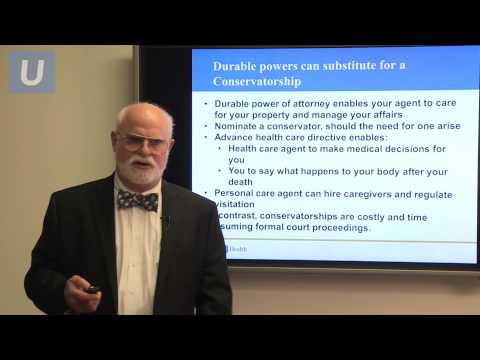 Elder Law: Protecting & Caring for Patients with Dementia | Marc B. Hankin | UCLAMDChatMarc Hankin discusses the legal protections needed for dementia patients, including how a health advisor can work with an elder law attorney.
Background
What a Health Advisor Is (and Is Not)
A health advisor is a professional who helps you and your family make sense of the medical care system. They are not your primary care doctor, a specialist, or a nurse who provides hands-on treatment. Instead, they are a guide who helps you understand what different providers recommend, coordinates communication between them, and supports you in making decisions that align with your values and the person’s wishes. As one source explains, the health advisor is 'not your healthcare professional or a part of your medical care team' but someone who 'can make decisions that follow your wishes and values' and 'can speak up for you if there are disagreements about your care.' They are often a social worker, a geriatric care manager, or a patient advocate with training in dementia care.
Why a Health Advisor Matters in Dementia Care
Dementia care involves many moving parts: doctors, specialists, home health aides, therapists, hospice teams, and facility staff. Each of these professionals has a different role and speaks a different language. A health advisor helps you cut through the confusion. They can explain what a neurologist’s report means in plain terms, help you understand the difference between palliative care and hospice, and guide you in choosing the right level of support at each stage. They also help you advocate for the person with dementia by ensuring their voice is heard, especially when they can no longer speak for themselves. As one source notes, the advisor’s role is to 'find out what everyone's opinions and recommendations are and try to make the best decision in the present.'
How They Differ from a Doctor, Nurse, or Lawyer
A doctor diagnoses and treats medical conditions. A nurse provides hands-on care and monitors symptoms. A lawyer handles legal documents like powers of attorney and advance directives. A health advisor does none of these things directly. Instead, they help you coordinate all of these professionals. They might attend doctor appointments with you, help you fill out advance directive forms, or explain what a power of attorney actually means in practice. They are not a substitute for legal advice, they will often refer you to an elder law attorney for that, but they can help you understand what questions to ask. As one source puts it, the advisor 'can’t really advise you' on legal matters, but they can help you navigate the system.
Practical tools
5
The 'What Matters Most' Conversation Starter
Before meeting with a health advisor, sit down with the person with dementia (if possible) and ask: '
Write down their answers. Share these with the advisor. This gives the advisor a clear picture of the person’s values and helps them advocate effectively.
The Care Coordination Log
Create a simple log (on paper or in a notes app) that lists: date, person contacted, topic discussed, decisions made, and next steps. Keep it in a binder or shared digital folder. Share this log with your health advisor at each meeting. This prevents miscommunication and ensures everyone is on the same page.
The 'Three Questions' Checklist for Doctor Visits
Before any doctor appointment, write down three questions you want answered. For example: 'What is the goal of this medication?' 'What are the side effects to watch for?' 'What should I do if symptoms get worse?' Give this list to your health advisor so they can help you ask these questions during the visit.
The Advance Directive Summary Card
Create a one-page card that summarizes the person’s advance directives:
Keep a copy in your wallet, in the person’s medical file, and with your health advisor. This ensures that in an emergency, everyone knows the person’s wishes.
The 'Who Does What' Role Chart
Draw a simple chart listing each care team member (doctor, nurse, home health aide, social worker, health advisor, etc.) and their specific responsibilities. For example: 'Dr. Smith: manages medications and diagnoses. Nurse Jones: checks vital signs and changes wound dressings. Health Advisor Lee: coordinates appointments and explains medical terms.' Post this chart on the refrigerator or in the care binder.
Different situations
Early-stage dementia / patient is still able to communicate
In early stages, the health advisor’s role is to help the person with dementia stay involved in their own care. The advisor can help the person complete advance directives, choose a health care agent, and practice having conversations about their wishes. The advisor also helps the person plan for future needs while they can still express their preferences.
Middle-stage dementia / caregiver is primary decision-maker
In middle stages, the health advisor becomes a key support for the caregiver. They help interpret the person’s changing behaviors, coordinate with multiple specialists, and guide decisions about home safety, driving cessation, and potential facility placement. The advisor also helps the caregiver manage stress and find respite care.
Late-stage dementia / person is bedbound or in a facility
In late stages, the health advisor focuses on comfort and end-of-life care. They help the family understand hospice eligibility, coordinate with the hospice team, and ensure the person’s advance directives are honored. The advisor also supports the family in making difficult decisions about feeding tubes, antibiotics, and pain management.
Lewy body dementia or frontotemporal dementia
These types of dementia often involve more pronounced behavioral changes, hallucinations, or movement problems. The health advisor should have specific training in these conditions. They can help the family understand that certain behaviors are disease-related, not intentional, and guide them toward specialists (e.g., a movement disorder neurologist for Lewy body). They also help coordinate care with physical therapists or psychiatrists.
Spouse caregiver vs. adult child caregiver
A spouse caregiver may be older and have their own health issues. The health advisor should help the spouse prioritize self-care and connect them with support groups. An adult child caregiver may be juggling work and family; the advisor can help them navigate workplace leave policies, coordinate with siblings, and find affordable care options. The advisor tailors their advice to the caregiver’s specific life situation.
For the doctor
5
- Ask your doctor: 'Is there a health advisor or patient advocate affiliated with this clinic who can help us coordinate care?'
- Ask the person’s neurologist: 'What specific training or experience do you recommend for a health advisor who works with dementia patients?'
- If considering hospice, ask the hospice team: 'How will our health advisor work with your team to ensure our wishes are followed?'
- Ask the facility’s social worker: 'Do you have a list of recommended health advisors or geriatric care managers in our area?'
- If the person has complex medical needs, ask: 'Should we involve a palliative care specialist in addition to a health advisor?'