Step by step
What not to do
- Do NOT isolate yourself. Many people with early-onset Alzheimer's feel alone and withdraw from friends and family. This can worsen depression and accelerate decline.Instead, reach out to at least one person you trust and tell them about your diagnosis. Join an early-onset support group, online or in person, where you can connect with others who truly understand.
- Do NOT ignore your symptoms or try to hide them. Some people try to compensate for memory loss or hide it from loved ones. This delays treatment and can lead to unsafe situations, like getting lost while driving or missing important medications.Instead, be honest with your doctor and family about what you're experiencing. Early treatment works better.
- Do NOT assume all memory problems are Alzheimer's. Up to one-third of early-onset cases are not Alzheimer's but other dementias like vascular, frontotemporal, or Lewy body, which require different treatments. For example, medications given for Alzheimer's can worsen symptoms in Lewy body dementia. Always get a thorough workup before accepting a diagnosis.
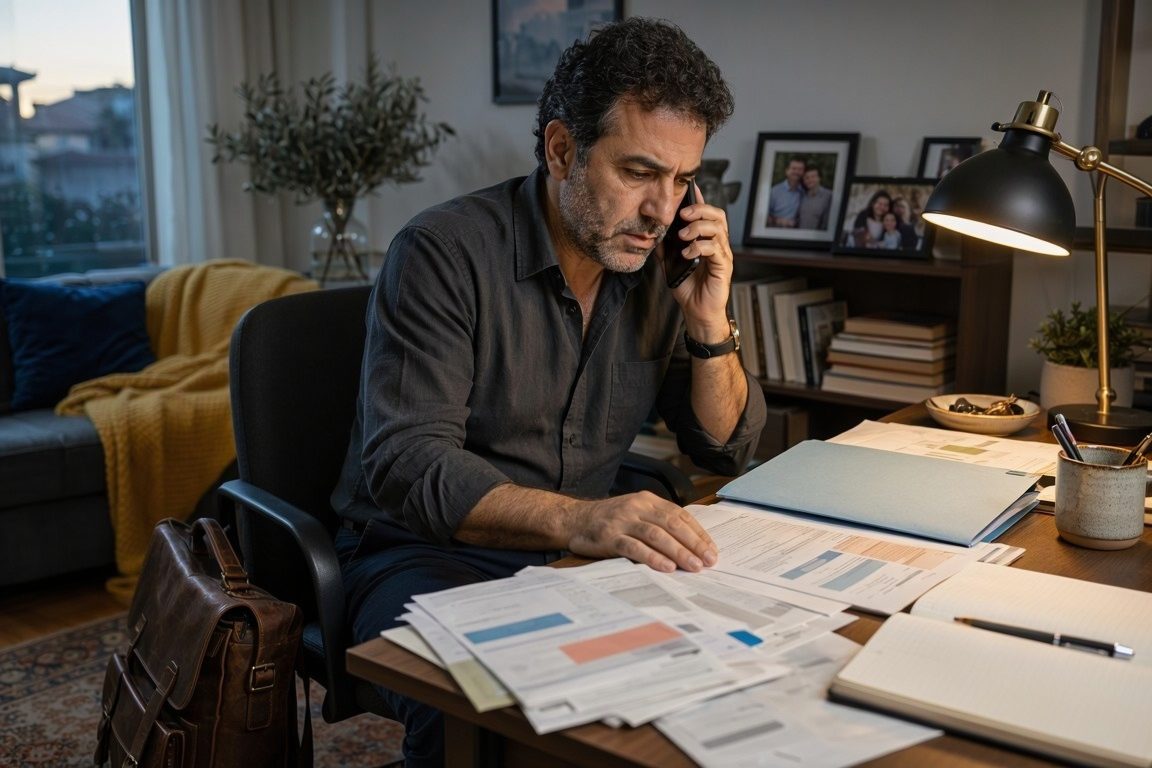
- Do NOT wait to plan your finances and legal affairs. Early-onset Alzheimer's progresses faster than late-onset, and you may lose decision-making capacity sooner than expected. Procrastinating on wills, powers of attorney, and long-term care planning can leave your family in chaos. Start within the first month.
- Do NOT neglect your emotional health. The diagnosis can trigger grief, anger, and fear. Bottling these up can lead to depression and anxiety, which can worsen cognitive symptoms.Instead, consider counseling, join a support group, or talk to a therapist who specializes in chronic illness. It's okay to not be okay.
- Do NOT stop living your life. Some people become so focused on the diagnosis that they stop doing things they enjoy. This can lead to a loss of identity and purpose.Instead, make a list of activities you love and schedule them into your week. Travel, hobbies, time with loved ones, these are still possible and important.
Key points
- Early-onset Alzheimer's progresses faster than late-onset, so act quickly after diagnosis.
- Get a thorough workup to rule out other causes, up to one-third of early-onset cases are not Alzheimer's.
- Start medications and lifestyle changes early to slow progression and maintain quality of life.
- Set up legal and financial plans within the first month while you can still make decisions.
- Join an early-onset support group, you are not alone, and connection is protective.
- Focus on what you can control: your daily routine, your relationships, and your next right step.
Videos
 Early Onset Dementia and Alzheimer's DiseaseThis video explains the unique challenges of early-onset dementia, including faster progression and different symptom presentation, which is essential for understanding your diagnosis.
 Early Onset Alzheimer's & DementiaCovers practical advice for people diagnosed under 65, including how to navigate work, family, and emotional adjustments.
 10 Warning Signs of Early Alzheimer's Disease – HOP ML PodcastDr. Leslie Kernisan reviews the 10 common warning signs, helping you identify what to watch for and discuss with your doctor.
 Misdiagnosed with Alzheimer’s for Years: His Story of Lewy Body Dementia | Patient PerspectiveA powerful reminder that not all dementia is Alzheimer's, this story highlights the importance of getting an accurate diagnosis.
2 more videos
 How Can I Improve My Brain Health?Provides evidence-based tips on diet, exercise, and cognitive engagement that can be protective for brain health.
 Posterior Cortical Atrophy: Is it Alzheimer's or a Different Type of DementiaExplains a less common variant of Alzheimer's that often affects younger people, helping you understand different symptom profiles.
Background
Why Early-Onset Alzheimer's Is Different
Early-onset Alzheimer's is diagnosed when symptoms begin before age 65, and it accounts for about 5-10% of all Alzheimer's cases. Unlike late-onset Alzheimer's, which typically progresses over 9 years, early-onset Alzheimer's has an average lifespan of 4 to 8 years after diagnosis. This faster progression is linked to a more aggressive pathology: brain scans often show a greater buildup of amyloid plaques and tau tangles compared to late-onset cases. As one expert explained, 'the pathology tends to be more extreme in early onset... it's just like late onset Alzheimer's disease but there's just more of it.' This means that acting quickly after diagnosis is not just helpful, it's critical.
The Emotional Whirlwind You're Likely Feeling
You may feel completely turned upside down. Many people with early-onset Alzheimer's describe feeling isolated because friends and family continue living their normal lives, focusing on careers, raising kids, or retiring, while your world has suddenly narrowed. This can breed resentment and depression. Unlike older adults with Alzheimer's who often find peers in senior communities or support groups, you may not know anyone else your age facing this. The diagnosis may have come after being told your symptoms were 'just stress, menopause, or depression', a common experience for early-onset patients. It's okay to feel lost, angry, or numb. These feelings are normal, and they will not last forever.
Why This Window of Time Is Your Most Powerful Tool
In early-stage Alzheimer's, you still have the ability to make decisions, communicate your wishes, and participate in planning. This is the time to act. As one care expert put it, 'do it while people are still able to have a normal conversation on the matter.' The treatments available, medications like donepezil, rivastigmine, galantamine, and memantine, can help slow the progression of symptoms and maintain quality of life for longer. But they work best when started early. Additionally, lifestyle changes like physical activity, healthy eating, and cognitive engagement can be protective, even if not preventive. The goal is not to stop the disease, but to buy yourself more good years.
Practical tools
6
The 'Day Zero' Notebook
Get a physical notebook or create a digital folder. On the first page, write: '
' Use this to track appointments, medications, questions, and symptoms. Bring it to every doctor visit. This simple tool gives you a sense of control and a place to organize the chaos.
The Family Meeting Script
Print this and read it aloud at your family meeting: 'I have been diagnosed with early-onset Alzheimer's. This is hard to say, but I need your help. I want to involve you in planning while I can still think clearly. I need you to listen to my wishes about my care, my finances, and my future. I am still me, and I want to live as fully as possible. Will you help me?' Then discuss roles:
Write down who does what.
Medication Management System
This prevents missed or double doses.
The '10 Warning Signs' Worksheet
Download the free PDF from the Alzheimer's Association website (alz.org). This worksheet lists the 10 common warning signs of Alzheimer's, such as
Use it to track your own symptoms and discuss with your doctor.
The 'What's the Next Right Step?' Question
When you feel overwhelmed, ask yourself: 'What is the next right step for me right now?' It might be making a phone call, taking a walk, or just breathing. This technique, recommended by caregivers, helps you focus on what you can control. Write it on a sticky note and put it on your mirror.
The '36-Hour Day' Book
Buy the most recent edition of 'The 36-Hour Day' by Nancy L. Mace and Peter V. Rabins. This is the classic guide for families facing Alzheimer's. It covers everything from understanding the disease to managing daily care, communication, and legal issues. Read it together with your family. It's available on Amazon and in most bookstores.
Different situations
If you have a genetic mutation (APP, PSEN1, or PSEN2)
If you know you carry one of the three gene mutations that cause early-onset Alzheimer's, your progression may be more predictable and faster. You should discuss genetic counseling with your doctor. Consider joining a clinical trial specifically for genetic forms of Alzheimer's. Your family members may also want genetic testing and counseling. Planning for long-term care and disability should be accelerated.
If you are still working full-time
Your job may be your primary source of identity and income. Talk to your employer about FMLA, short-term disability, and reasonable accommodations. Apply for SSDI immediately, the process can take 3-6 months. If you have a demanding job (e.g., executive, surgeon, pilot), consider transitioning to a less cognitively demanding role or part-time work. Do not wait until you can no longer perform, plan ahead.
If you are a parent of young children
This adds a layer of complexity and urgency. Have a family meeting with your co-parent and older children. Discuss who will care for the children if you become unable. Create a memory book or video messages for your children. Consider family therapy to help children understand and cope. Plan for financial support for your children's education and care. Reach out to organizations like the Alzheimer's Association for resources for young families.
If you are a spouse or partner of the person diagnosed
You are likely feeling shock, fear, and a sense of responsibility. Your role is shifting from partner to caregiver. Start by taking care of yourself, your health matters too. Join a caregiver support group. Learn about the disease and what to expect. Discuss with your partner their wishes for care, finances, and end-of-life. Consider couples counseling to navigate this new chapter together. Do not try to do everything alone, accept help from family, friends, and community resources.
If you are an adult child of a parent diagnosed with early-onset Alzheimer's
You may be in your 30s or 40s, balancing your own career, family, and now caregiving. You may also worry about your own risk. Talk to your doctor about genetic counseling if you are concerned. Help your parent set up legal and financial plans. Encourage them to join an early-onset support group. Take breaks and set boundaries, you cannot pour from an empty cup. Consider joining a support group for adult children of parents with dementia.
For the doctor
6
- Ask your neurologist: 'Are there any clinical trials for early-onset Alzheimer's that I might be eligible for?'
- Ask your doctor: 'Should I consider genetic testing for the APP, PSEN1, or PSEN2 mutations? What are the pros and cons?'
- Ask your pharmacist: 'Are there any interactions between my current medications and the Alzheimer's drugs I'm being prescribed?'
- Ask your primary care doctor: 'What is my risk for falls or wandering, and what safety measures should I put in place at home?'
- Ask your neurologist: 'How often should I have follow-up appointments, and what tests will be done to track my progression?'
- Ask your doctor: 'Are there any lifestyle changes, diet, exercise, supplements, that are specifically recommended for early-onset Alzheimer's?'