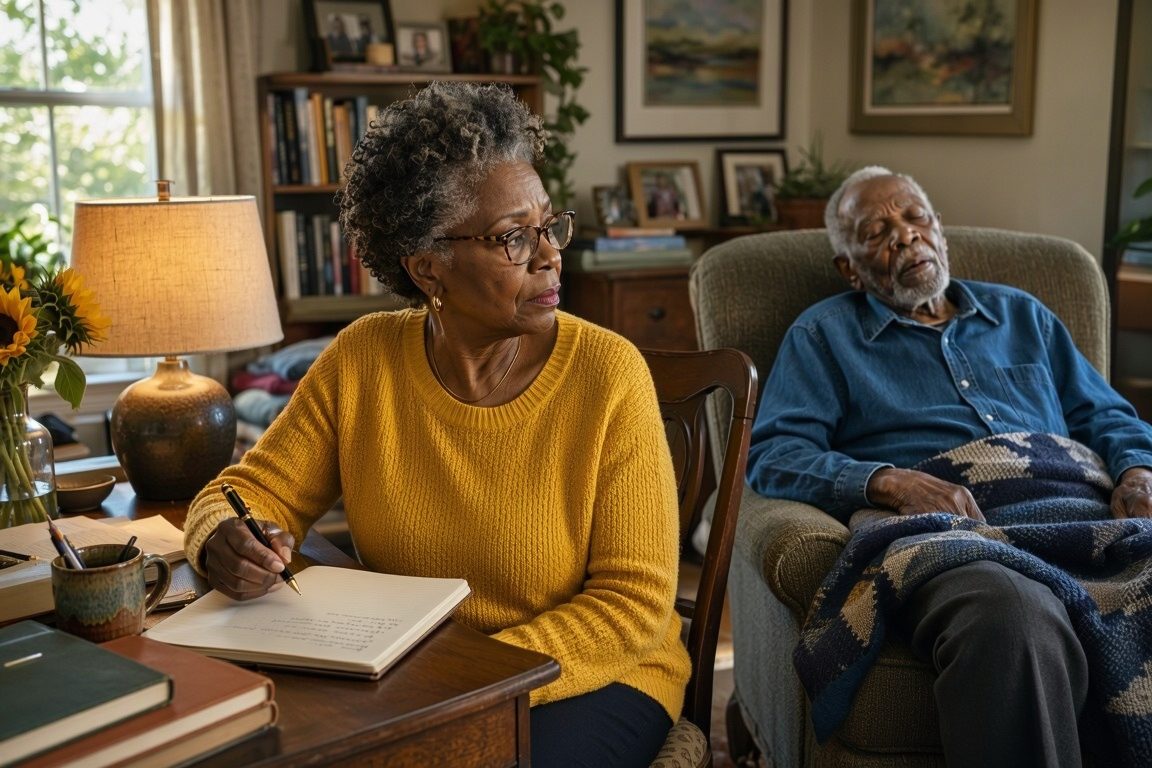
Step by step
What not to do
- Don't pressure yourself to write 'good' poetry, treating it like a writing class adds stress. Give yourself full permission to write badly; the value is in the process, not the product.
- Don't write only about loss. Try one poem a week about something you're grateful for, a small joy, or even a moment of humor, so grief doesn't become your only lens.
- Don't turn poetry into a daily chore. Write when the urge comes, even if it's just three words on a hard day.
- Don't compare your poems, or your grief, to anyone else's. Your poem is a record of your unique path, not a competition.
- Don't write and immediately hide the page without reading it. Reading your own words back is how you acknowledge what you feel.
- Don't rely on poetry alone when grief becomes too heavy. If you're writing the same desperate lines night after night, reach out to a counselor, doctor, or caregiver support line. Poetry is a companion, not a substitute for professional help.
Key points
- Poetry gives you a private, non-judgmental space to name and release the complex emotions of caregiving, grief, guilt, anger, and love.
- You don't need to be a 'good' poet. The act of writing itself is therapeutic, regardless of the result.
- Use poetry to capture small, meaningful moments with your spouse. This shifts focus from loss to connection and builds a legacy of dignity.
- Combine poetry with other self-care practices like deep breathing or listening to music to reset after emotional writing.
- Adapt your poetry practice to your energy level, one line a day is enough. Consistency matters more than length.
- Sharing your poems with a trusted person or support group can deepen your sense of connection, but you never have to share.
Videos
 What Therapeutic Techniques Help Caregivers With Anticipatory Grief? - Dementia Help HubThis video discusses evidence-based techniques for managing anticipatory grief, which is a core emotion that poetry can help you process.
 What Is Caregiver Grief & How To Manage ItThis video explains the unique nature of caregiver grief in dementia and offers strategies that complement a poetry practice.
 When You Want to Walk Away From Dementia Caregiving (But Can't)This video addresses the intense emotions of frustration and burnout, which poetry can help release in a safe way.
 Supporting a Loved One with DementiaThis video offers emotional support strategies that align with using poetry to build connection and empathy.
2 more videos
 How Does Dementia Assistance Help Relieve Caregiver Stress? | TestThis video discusses structured support and emotional tools, including writing, that can reduce caregiver stress.
 What Communication Skills Help With Repetitive Questions In Dementia Care? - TestThis video covers communication skills that can be reflected in poetry, like validating feelings and staying calm, which can reduce frustration.
Background
Why Poetry Helps When Words Fail
Caring for a spouse with vascular dementia means walking a tightrope between hope and heartbreak. Unlike a sudden death, where grief has a clear beginning and end, dementia grief is prolonged, losses keep coming, and you may feel you can never catch up with your feelings. You might experience guilt, frustration, sadness, and even resentment, but these emotions often feel too heavy or too complicated to share with others. Writing poetry gives you a safe, private space to acknowledge those feelings without judgment. As one source notes, caregivers often feel isolated because society doesn't fully recognize the grief of watching a loved one decline while they are still physically present. Poetry helps you name what you're feeling, which is the first step toward processing it.
How Poetry Connects You to Your Spouse and Yourself
Poetry isn't just about releasing your own emotions, it can also deepen your connection with your spouse. When you write a poem about a shared memory, a small moment of tenderness, or even the frustration of a difficult day, you are honoring your relationship. Research shows that spousal caregivers who focus on what they still have rather than what they've lost experience less burden and more satisfaction in caregiving. Poetry can help you shift your attention to those meaningful micro-moments: a touch, a smile, a shared photo. By capturing these in verse, you create a legacy that matters, not just for your spouse, but for yourself. You are saying, 'This moment counted.'
The Emotional Release of Putting Pen to Paper
Caregivers often carry an enormous emotional load, guilt for feeling frustrated, sadness for what's been lost, and even anger at the situation. These feelings can build up and lead to compassion fatigue, hopelessness, or emotional disengagement. Writing poetry gives you a way to release that pressure without needing to talk to someone who might not understand. You don't have to be a 'good' poet. The act of writing itself, choosing words, shaping lines, giving form to formless pain, can be deeply grounding. One source explains that writing down experiences of heartbreak and grief helps caregivers make clear to themselves what they are feeling, which then makes it easier to articulate those feelings to others who get it.
Practical tools
6
The 'One Line a Day' Poetry Prompt
Keep a small notebook by your bed. Each evening, write one line that captures your day. Examples: 'Your hand in mine, still warm.' 'The kettle whistles, but you don't hear.' 'I miss the way you used to laugh.' Over time, these lines become seeds for longer poems.
The 'Micro-Moment' Poem Template
Capture a small moment of connection: (1) What you see: 'Your eyes find the old photo.' (2) What you feel: 'My chest tightens with love.' (3) What you do: 'I take your hand.' (4) What remains: 'We are still here.' This anchors you in presence.
The 'Venting Poem' Safety Valve
When anger or frustration boils over, write short, sharp lines with no filter. Example: 'I am tired. / I am angry. / This is not fair. / I want to scream.' Afterward, tear it up, safely burn it, or close the notebook. This releases intense emotion without harming anyone.
The 'From Your Spouse's Perspective' Exercise
Write a short poem as if you are your spouse living with vascular dementia. Start with: 'I don't know where I am, but your voice is familiar.' This builds empathy, reduces resentment, and helps you see caregiving as a shared journey.
The 'Gratitude Couplet' Practice
Each morning, write a two-line poem about something you're grateful for in your caregiving role. Example: 'Your smile today, though brief, / is a gift I didn't expect.' This shifts focus from loss to what remains.
The 'Poetry and Breath' Reset
After writing a poem, take three deep breaths: inhale four counts, hold four, exhale six. This combines emotional processing with physical calming, especially helpful after a difficult poem.
Different situations
Spouse caregiver for vascular dementia (vs. Alzheimer's)
Vascular dementia often involves more sudden declines and plateaus, which can make grief feel more erratic. Your poetry can reflect this, write about the shock of a new loss, then the quiet of a plateau. Also, vascular dementia may affect mood and personality more dramatically, so your poems might capture anger or frustration more often. That's okay. Let the poems mirror the jagged path.
Late-stage vascular dementia
In late stages, your spouse may no longer speak or recognize you. Your poetry can become a way to speak for both of you. Write about the silence, the touch, the memories that still live in your heart. You might also write poems that you read aloud to them, even if they don't understand the words, your tone and presence can offer comfort. As one source suggests, recording your loved one's voice reading a poem can capture their spirit for future generations.
Spouse caregiver with limited time for self-care
If you only have five minutes a day, use the 'One Line a Day' prompt. Keep it simple. You can also dictate a poem into your phone's voice recorder while driving or doing chores. The key is consistency, not length. Even one line a day can help you process emotions and prevent them from building up.
Caregiver feeling isolated or unsupported
If you don't have a support network, your poetry can become your companion. Write poems addressed to your spouse, to your former self, or even to the disease. You might also consider joining an online caregiver poetry group or sharing your work in a dementia caregiver forum. One source emphasizes that articulating feelings to others who understand can be deeply helpful.
Caregiver experiencing anticipatory grief
Anticipatory grief is common in dementia caregiving. Your poetry can directly address this, write about the person you're losing, the future you won't have, the dreams that are fading. This is not wallowing; it's acknowledging the loss so you can move through it. As one source notes, grief counseling and acceptance-based therapies encourage caregivers to accept their current reality and process pain. Poetry can be a tool for that acceptance.
For the doctor
3
- If you find that writing poetry triggers overwhelming sadness or anxiety that doesn't ease, discuss with your clinician whether grief counseling or therapy might be helpful.
- If you experience thoughts of harming yourself or your spouse, seek immediate professional help. Poetry is a coping tool, not a substitute for medical care.
- If your sleep, appetite, or daily functioning are significantly affected by your emotions, talk to your doctor about whether medication or other interventions could support your mental health.