Step by step
What not to do
- Do NOT use elderspeak (slow, high-pitched, simplified tone) with your loved one; speak to them as an adult peer using their preferred name and respectful tone.
- Do NOT accept 'just old age' as a medical explanation for new or changed symptoms; ask for a full workup to avoid missed diagnoses and preventable decline.
- Do NOT use sweeping labels like 'the elderly' or 'the seniors' as if they were a single group; know and name the specific person, as individuality counters stereotyping.
- Do NOT absorb the cultural script that frames caregiving as a burden or sacrifice; your work is a relationship, not a transaction.
Key points
- Ageism is rooted in a culture that values productivity over people, but you can push back starting with your own words and actions.
- Benevolent ageism (doing everything for someone) is just as harmful as overt ageism; always ask what they want to give, not just what they need.
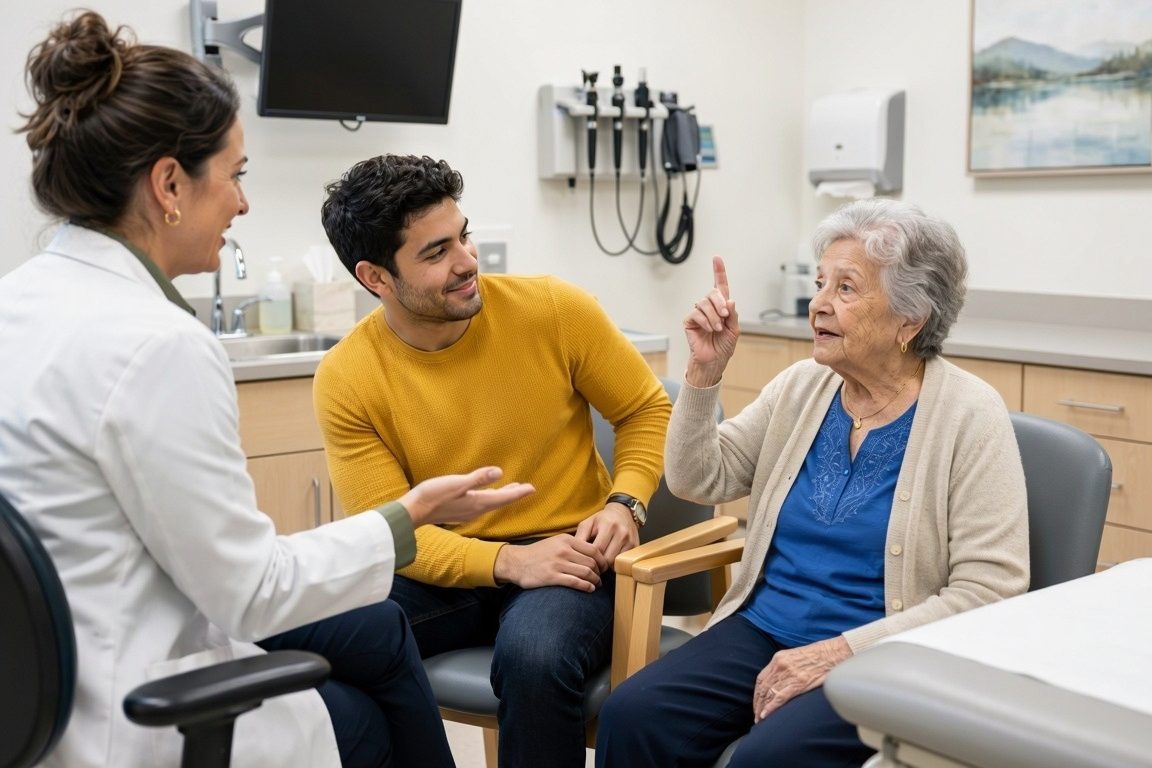
- Healthcare ageism is real and dangerous; advocate for geriatric-informed care at every appointment.
- Intergenerational connection is a powerful antidote to age segregation and fear; create small, regular opportunities for it.
- Your loved one’s worth is not measured by their bank account, their diagnosis, or their ability to 'produce', it is inherent and unchanging.
- You are not alone in this fight; use your voice in your community to start changing the story.
Videos
 Ep. 279: How much is 94 Years Worth?This video directly addresses the story of a 95-year-old man evicted from his senior’s home for running out of money, which is a powerful example of how society devalues older adults. It will help you feel seen and give you language to talk about financial ageism.
 President of Talk About Aging, Janice Goldmintz Discusses the '6 Not-So-Secrets to Successful Aging'This video offers a positive, practical framework for aging well that counters the narrative of decline. It will give you hope and concrete ideas for helping your loved one age with purpose.
 Conscious Caregiving with L & L 'Ageism and Outcomes'This video explores how ageism directly affects health outcomes, which is crucial for understanding why you need to advocate in healthcare settings. It will equip you with facts to use in conversations with doctors.
 Time with Teepa - Age bias to age sensitive healthcare, is it possible?Teepa Snow is a leading dementia care expert, and this video dives into how to shift from age bias to age-sensitive care. It will give you specific communication techniques for interacting with healthcare providers.
2 more videos
 Courageous Conversations with Marianne Danielsen - Part 1This video models how to have difficult conversations about aging and care, which is essential for pushing back against ageism in your family and community. It will give you scripts and confidence.
 162. National Caregiver Month: Data and caregiver tips from The Alzheimer's AssociationThis video provides data on the economic value of family caregiving ($340 billion worth of unpaid care) and practical tips. It will help you see your own work as valuable and give you ammunition to advocate for better support.
Background
The Root: A Culture That Confuses Worth with Productivity
At its core, the devaluation of older adults comes from a society built on capitalism, where individual productivity is the highest value and consumer spending is the ultimate goal. As one expert put it, when people no longer meet our standards of being 'productive,' we expect them to just disappear somewhere, we stop valuing them for the different kinds of contributions they can still make. This isn’t just an abstract idea; it shows up in mandatory retirement at 65, in the way we call someone 'expired' once they hit that age, and in the assumption that older adults are all alike and have nothing left to give. The truth is, as people age, they become more different from one another, not less , they carry decades of wisdom, skills, and experience that our culture simply overlooks.
Ageism in Healthcare: A Hidden Harm
Ageism isn’t just about rude comments or stereotypes, it’s baked into the systems that are supposed to help. For example, almost every medical student must complete a rotation in pediatrics, even if they’ll never treat a child, but they are not required to do a geriatrics rotation, even though nearly all of them will treat older adults. That sends a clear message: older people don’t matter enough to study. This directly impacts the quality of care your loved one receives, from misdiagnosis to dismissive attitudes. And when older adults are told they’re worthless or that their needs don’t matter , a form of psychological abuse that some studies say is even more harmful than physical abuse , it damages their health and well-being over time. This is not a small problem; it’s a civil rights issue, as one expert called it: the right to good care when you are living with dementia or aging.
The 'Benevolent' Trap: Helping Without Asking
A subtler but equally damaging form of ageism is called 'benevolent ageism.' This is when people try to help, but they only see what they can give to an older adult, never asking what that person wants to give back. The desire to contribute, to be useful, to give back to the world does not disappear with age. Yet our culture often treats seniors as passive recipients of care, not as active participants in their own lives. This strips away their dignity and individuality, lumping them into a single category called 'the elderly.' When you’re a caregiver, you may feel pressure to do everything for your loved one, but that can actually reinforce the very devaluation you’re trying to fight. The goal is not to take over , it’s to support their agency and purpose.
Practical tools
5
Agency Check-In Script
A daily question: 'What's one thing you'd like to decide for yourself today, even if it's small?' Write down their answer, honor it, and let it be a real choice, from meals to clothing, countering the loss of agency and the habit of deciding for them.
Contribution Log
A notebook or phone note where you record one thing your loved one contributed each day: a story, advice, a task, a smile. Read it aloud together weekly to reframe worth from what they can no longer do to what they still give.
Intergenerational Bridge Activity
A 15-minute pairing where your loved one is the expert: teaching a simple skill, telling the story behind a photo, or sharing a song from their youth. It breaks age segregation through mutual respect in a low-pressure interaction.
Doctor Visit Prep Sheet
Before each appointment, write on one page:
Hand it to the provider at the start to push back against medical ageism.
Benevolent Ageism Detector
A three-question mental check before offering help:
If any answer troubles you, pause and ask her directly.
Different situations
If your loved one has dementia (any type)
The advice to ask about contribution still applies, but you may need to simplify the question. Instead of 'What do you want to give back?' try 'What feels good to do today?' or 'Can you help me fold these towels?' Focus on the feeling of usefulness, not the outcome. Also, be extra vigilant about healthcare ageism: dementia is often treated as a 'throwaway diagnosis' with no care plan. Push for a detailed care plan from a geriatric specialist. Use the 'Doctor Visit Prep' checklist every time.
If you are an adult child caregiver (vs. a spouse)
You may feel a stronger pull to 'parent' your parent, which can slip into benevolent ageism. Be aware of this dynamic. Use the 'Agency Check-In' tool more frequently. Also, you may face pressure from siblings or society to 'put them in a home', remember that the decision should be based on their needs and wishes, not on productivity-based thinking. Frame it as: 'Mom still wants to contribute. How can we support that here?'
If your loved one is in a facility (assisted living or nursing home)
Facilities can be hotbeds of ageism, from staff training gaps to rigid schedules. Advocate for person-centered care: ask the staff to learn one personal thing about your loved one (a hobby, a life story) and incorporate it into daily care. Use the 'Intergenerational Bridge' activity with visiting grandchildren or local youth groups. If you see ageist practices (like talking about residents as if they aren’t there), speak up calmly: 'I know you’re busy, but could you speak directly to Mom? She can still understand more than you think.'
If you are navigating Medicaid or financial constraints
The story of the 95-year-old man evicted from his senior’s home because he ran out of money is a stark reminder that financial systems can devalue lives. If you’re facing this, know that you are not alone. Focus on advocacy: contact your local Area Agency on Aging, ask about Medicaid waivers for home care, and connect with a social worker who specializes in elder justice. Use the 'Community Change' conversation starter at support groups to push for systemic change. And remind yourself: your loved one’s worth is not measured by their bank account.
If your loved one is from a culture that traditionally values elders (e.g., Japan, Netherlands, Wales)
Even in cultures that historically honor elders, modernization and capitalism can erode those values. In Japan, for example, the tradition of filial piety is strained by economic pressures and geographic mobility. In the Netherlands, progressive policies exist but ageism still shows up in healthcare. In Wales, community-based care models are strong but underfunded. In all cases, the advice here still applies, but you may need to navigate a tension between cultural expectations and lived reality. Use the 'Contribution Log' to highlight the wisdom your loved one still holds, this aligns with traditional values while pushing back against modern devaluation.
For the doctor
4
- Ask your doctor: 'What training have you had in geriatrics? If none, can you refer me to a geriatrician or a specialist who understands aging and dementia?'
- Ask your pharmacist: 'Are there any medications my loved one is taking that could be causing cognitive or physical decline that looks like aging? Can we review for deprescribing?'
- Ask your loved one’s care team: 'How do you measure quality of life beyond just safety and medical outcomes? Can we create a care plan that includes purpose and social connection?'
- If you notice signs of psychological abuse (verbal belittling, threats, isolation), ask a social worker or elder law attorney: 'What are my options for reporting this and protecting my loved one?'