Step by step
What not to do
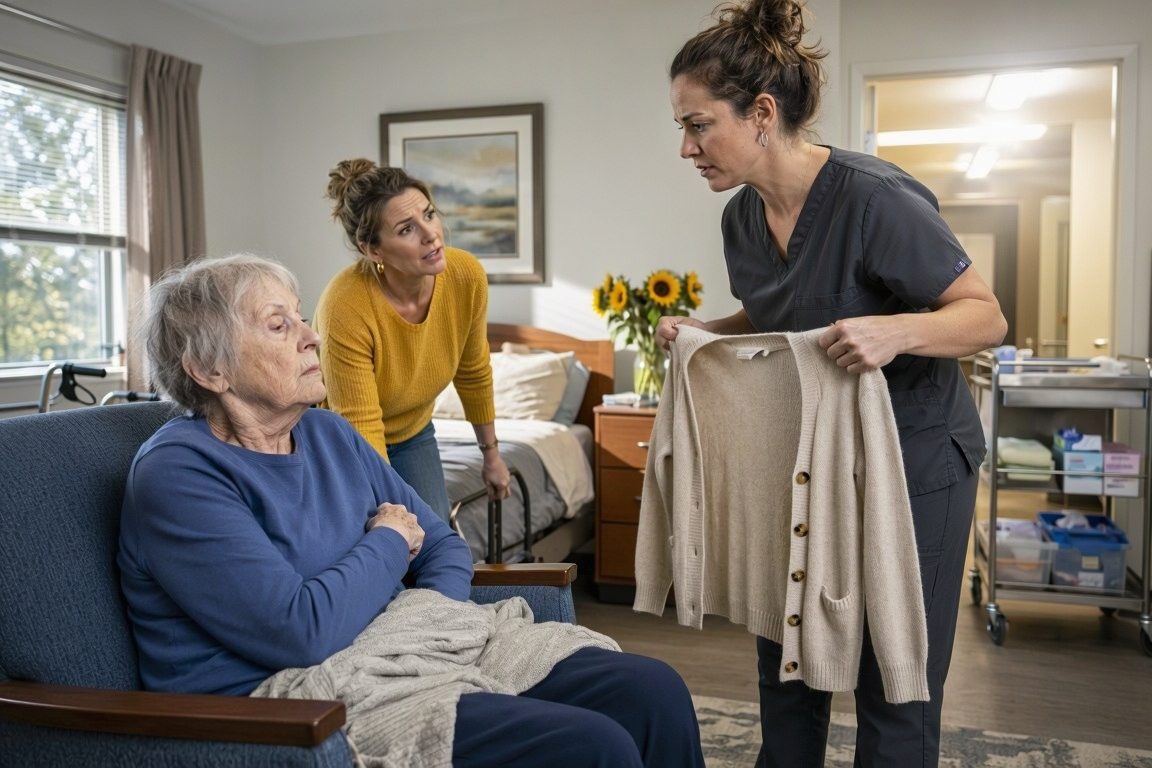
- Do not approach from behind, speak loudly, or rush into a task without acknowledgment.
- Do not argue, reason, or impose demands during agitation.
- Do not suppress frustration and continue; that heightens risk of escalation.
- Do not skip documentation of minor incidents or near-misses.
- Do not ignore or downplay physical injuries from residents.
Key points
- Workplace violence and burnout are common in dementia care because of inadequate training and high stress, not because of personal failure.
- A rushed, stressed approach triggers aggression in residents; slowing down and using calm techniques reduces violence.
- Burnout often starts with small changes like snapping easily or feeling numb; recognize these early signs and take action.
- Peer support groups and consistent staffing are proven ways to reduce burnout and improve safety.
- Document every incident of aggression to identify patterns and protect yourself legally.
- You are not alone. Use the tools and steps above to break the cycle and create a safer, more sustainable work environment.
Videos
 Why Do Dementia Caregivers Experience Burnout And Depression? - TestExplains the intense challenges caregivers face and why burnout is so common.
 How Do Healthcare Providers Address Caregiver Burnout in Dementia Care? | TestOffers practical strategies from healthcare providers, including support groups and education.
 Ep. 256: Workplace Violence, Depression, and Burnout as a CaregiverDirectly addresses the cycle of workplace violence and burnout in nursing homes.
 Top 3 signs your loved one with dementia needs nursing home careHelps understand when caregiver stress reaches a critical level that requires facility care.


Background
What is happening: The cycle of workplace violence and burnout
When nursing home workers care for people with dementia, they often face a hidden cycle that feeds on itself. Research shows that more than half of nursing home workers are caught in a vicious cycle of workplace violence, depression, and burnout. This isn't just about occasional bad days; it's a pattern where stress and injury reinforce each other. Workers who are rushed, stressed, or exhausted are more likely to have residents become aggressive, because people with dementia are highly sensitive to non-verbal cues like tension in your voice or hurried movements. As one expert explains, 'Your approach matters: the more rushed you are, the more stressed you are, the more likely your loved one is gonna have some aggressive behaviors because they are picking up on your stress.' This means that burnout doesn't just harm you, it can actually increase the risk of violence.
Why it happens: Lack of training and systemic pressures
The root cause is that many nursing home workers are not prepared for the reality of dementia care. According to the National Dementia Workforce Study, direct care workers receive highly variable training, especially in dementia care, and face significant work-related challenges including stress, injury, and burnout. Without proper skills, workers default to approaches that feel efficient but actually backfire. For example, moving quickly to get a task done can feel like a time-saver, but it often triggers confusion and fear in a person with dementia, leading to defensive aggression. Additionally, the emotional toll is immense: caregivers experience intense and prolonged challenges managing complex behavioral and emotional symptoms, which can lead to depression, anxiety, and compassion fatigue, a unique form of burnout seen in caring professions.
The hidden signs: Burnout doesn't always look like a breakdown
Many workers don't recognize burnout until it's severe. As Dr. Camille Sinclair notes, 'Most dementia caregivers think burnout looks like a breakdown, but that's rarely how it starts. Instead, it looks like small changes: snapping more easily, feeling emotionally numb, or going through the motions of caregiving without the same sense of patience or connection you once had.' These gradual changes can make you think something is wrong with you personally, when in fact it's a predictable response to an overwhelming environment. The psychological strain is a major predictor of quality of life and the ability to provide effective care. Without intervention, this can lead to poorer health outcomes, including fatigue, increased tension, and even physical injury from resident aggression.
Practical tools
2
Incident Documentation Log
A structured form or digital template with fields for date, time, trigger, intervention, and outcome, to track patterns of aggression and protect worker accountability.
60-Second Safety Pause
A personal protocol: when frustration rises, excuse yourself for 60 seconds to a neutral space (hallway, restroom) to decompress and prevent reflexive escalation.
Different situations
For workers in nursing homes vs. assisted living
In nursing homes, residents often have more advanced dementia and higher medical needs, increasing the risk of aggression. Workers should prioritize de-escalation training and consistent staffing. In assisted living, residents may have more cognitive awareness, so using validation and redirection is especially effective. Request specific training for your setting.
For workers with a history of personal trauma or compassion fatigue
If you have experienced trauma or are already feeling compassion fatigue, you may be more vulnerable to burnout. Seek counseling through an employee assistance program. Use the 'Three-Breath Reset' more frequently. Consider asking for a less stressful assignment temporarily.
For workers caring for residents with Lewy body dementia
Lewy body dementia often involves visual hallucinations and extreme sensitivity to medications. Aggression may be triggered by hallucinations. Do not argue about what the resident sees. Instead, say, 'I can see that must be scary for you. Let's move to a quieter place.' Consult with a geriatric psychiatrist for medication adjustments.
For night-shift workers
Night shifts often have lower staffing and residents may be more confused or agitated due to 'sundowning.' Use soft lighting, speak in a whisper, and avoid waking residents unnecessarily. Keep a calm, slow pace. Document any incidents carefully, as you may have fewer witnesses.
For workers who are also family caregivers at home
You are at extremely high risk for burnout because you face caregiving demands both at work and at home. Use every available resource: respite care, support groups, and employee assistance. Set firm boundaries: do not take on extra shifts. Your health comes first.
Common questions
2
What workplace factors contribute to loneliness?
Feeling rushed, understaffed, and isolated from peers creates loneliness; make a point to check in with one coworker during each shift for a quick, supportive chat.
How can professional caregivers reduce workplace violence and burnout?
Slow down your pace, use calm, simple communication, and join a peer support group; also document every aggressive incident to spot patterns and protect yourself.
For the doctor
4
- If you are experiencing symptoms of depression, anxiety, or insomnia that last more than two weeks, talk to your doctor or a mental health professional. These are treatable conditions.
- If a resident's aggression is severe or involves weapons, discuss with your supervisor and the facility's medical director about possible medication adjustments or a transfer to a higher level of care.
- If you have been physically injured by a resident, seek medical attention immediately and discuss with your employer about workplace safety protocols and workers' compensation.
- If you feel that your facility's training is inadequate, discuss with your supervisor about requesting specialized dementia care training from a geriatric specialist or occupational therapist.