
Step by step
What not to do
- Don't compare your loved one's journey to anyone else's; each person has a unique path.
- Don't argue, correct, or reason them out of their reality. Validating emotions maintains connection.
- Don't wait for a crisis to bring in help; hospice, palliative care, respite are most effective when started early.
- Don't mistake treatable conditions (depression, UTIs, pain, dehydration, medication effects) for 'just dementia.'
- Don't lose sight of the person behind the diagnosis; even late-stage, they can feel joy and comfort through presence, touch, music.
Key points
- Dementia is an umbrella term for over 100 different brain diseases, each with unique symptoms and progression.
- Even with the same diagnosis, each person's dementia is shaped by their personality, health, environment, and history.
- Dementia does not progress in a straight line, expect good days and bad days, and adjust your care accordingly.
- Knowing the specific type of dementia helps you prepare for the symptoms most likely to appear.
- Your relationship and presence matter more than any task, focus on connection, not correction.
- Take care of yourself as a caregiver; your health is essential to providing good care.
Videos
 Carrie Aalberts Founder & Creator of 'Dementia Darling'Carrie shares her personal caregiving journey and practical tips for understanding your loved one's unique dementia experience.
 Difference Between Forgetfulness and Alzheimer’sThis video helps you distinguish normal age-related forgetfulness from the symptoms of Alzheimer's disease.
 An Interview with Leah Waller of DementiaTLCLeah discusses person-centered care and how to adapt your approach based on your loved one's individual needs.
 The Baffled Brain: Demystifying Dementia Episode 21 April 17, 2021This episode explains why dementia symptoms vary so much and offers strategies for managing challenging behaviors.
2 more videos
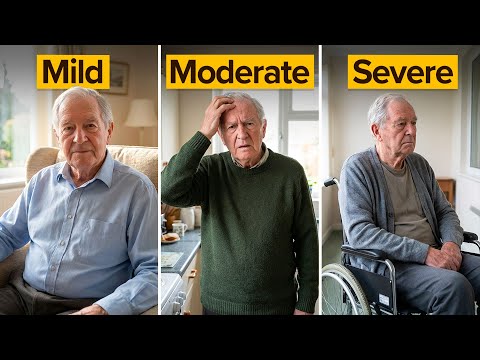 Dementia Progression: What I Wish Caregivers Were ToldA caregiver shares honest insights about what to expect as dementia progresses and how to prepare emotionally.
 What I Wish I Knew About the Stages of DementiaThis video breaks down the stages of dementia and explains why each person's journey is unique.
Background
Dementia Is an Umbrella, Not a Single Disease
Many people use the words 'Alzheimer's' and 'dementia' as if they mean the same thing, but they are actually quite different. Dementia is a broad term for a group of symptoms, like memory loss, confusion, and trouble with daily tasks , that are caused by over 100 different brain diseases. Alzheimer's disease is just one of those types, though it is the most common. Other types include Lewy body dementia, vascular dementia, frontotemporal dementia, Parkinson's-related dementia, and mixed dementia (where a person has more than one type at the same time). Each type affects the brain in a different way, which is why symptoms can look so different from one family to another.
Your Loved One's Unique Brain and History Shape Their Dementia
Even when two people have the exact same dementia diagnosis, their experience can be wildly different. That's because dementia doesn't erase who a person is, it layers on top of their existing personality, life experiences, and health conditions. For example, someone who was always anxious may become more anxious with dementia, while someone who was easygoing may stay calm. Similarly, a person with diabetes or heart disease may have a faster decline because those conditions affect blood flow to the brain. The environment also plays a huge role: a person may seem much more capable in a quiet, familiar setting than in a noisy, unfamiliar doctor's office. This is not deception , their brain is simply adapting automatically to the situation, a reflex that can melt away when they are in a safe, calm space.
Progression Is Not a Straight Line
Dementia does not move in a predictable, step-by-step fashion. Some people stay in the early stages for years, while others move through them quickly. A person can have a good day where they seem almost like their old self, and then a bad day where they are confused and agitated. This variability is normal and does not mean you are doing something wrong. It also means that the same care strategy that worked yesterday may not work today. The key is to stay flexible, observe what is happening in the moment, and adjust your approach based on your person's current needs, not on a generic checklist of stages.
Practical tools
5
The 'Just Like Me' Validation Phrase
When your loved one seems confused, say: 'I understand. That must be hard for you.' Then ask about their feelings rather than facts (e.g., 'You seem worried about going home. What do you miss most?'). This honors emotions and strengthens your bond.
Daily Observation Log
Keep a notebook or notes app handy; note the time, activity, mood, triggers, and what helped. After a week, patterns emerge that guide care and become invaluable for doctor visits.
Calm Environment & Sundowning Plan
Post a checklist near their space:
In late afternoon, close curtains, turn on lamps, offer a warm non-caffeinated drink, and try calming activities like looking at photo albums.
The 'One-Step' Instruction Method
Break tasks into single commands (e.g., 'Please put on your shirt.' Wait. Then: 'Now your pants.') rather than saying 'Get ready for breakfast.' This reduces overwhelm and builds confidence; use a warm tone throughout.
Support Group Connection
Join a caregiver group specific to your loved one's dementia type (e.g., Lewy body, frontotemporal) for practical tips, emotional support, and genuine understanding. Many excellent groups meet online for free.
Different situations
Lewy body dementia
Be prepared for visual hallucinations, which are common. Do not argue about what they see, instead, ask about it: 'What do you see? Is it scary or interesting?' Also watch for sudden changes in alertness, sleepiness, and movement problems like stiffness or falls. These symptoms can fluctuate from hour to hour.
Frontotemporal dementia (FTD)
FTD often affects behavior and personality first, not memory. Your loved one may become socially inappropriate, impulsive, or lose empathy. This is not intentional, it is the disease. Focus on safety and structure. Avoid situations that overstimulate them. Use simple, direct language.
Late stage / bedbound
At this stage, the focus shifts to comfort and dignity. Use gentle touch, soft music, and familiar voices. Speak to them as you always have, they may still hear and understand. Work with a hospice team for pain management, positioning, and skin care. Your role is to be present, not to 'fix' anything.
Spouse vs. adult child caregiver
If you are a spouse, you may be grieving the loss of your partner while still providing care. It is normal to feel lonely and exhausted. Seek couples counseling or a spousal support group. If you are an adult child, you may be balancing care with your own family and job. Set boundaries, ask siblings for help, and consider respite care. Both roles are hard, give yourself grace.
Person with mixed dementia (e.g., Alzheimer's + vascular)
Symptoms may be more varied and unpredictable. They may have memory loss plus physical issues like weakness or trouble walking. Work closely with their doctor to manage both cognitive and physical health. Falls are a higher risk, make the home safe by removing rugs, adding grab bars, and using good lighting.
For the doctor
5
- Ask your doctor: 'What specific type of dementia does my loved one have, and what symptoms should I expect as it progresses?'
- If you notice sudden changes in behavior or confusion, ask: 'Could this be caused by an infection, medication side effect, or depression?'
- Discuss whether medications for dementia (like donepezil or memantine) are appropriate for your loved one's type and stage.
- If hallucinations or delusions are present, ask: 'Are there non-medication strategies we can try first? When might medication be needed?'
- Ask about advance care planning: 'What documents do we need to have in place for medical decisions, and when should we involve hospice?'