
Step by step
What not to do
- Do not assume you can do everything yourself without help. This is the most common and dangerous mistake. Spouse caregivers who refuse help often end up hospitalized themselves, leaving their partner without care.Instead, accept offers of help from family, friends, or paid caregivers, even if it feels awkward at first.
- Do not argue with your partner about what they can no longer do. Arguing about memory loss or inability to perform a task only leads to frustration, agitation, and a damaged relationship.Instead, use redirection or a 'good fantasy' to gently steer them away from unsafe activities. For example, if they insist on driving, say the car is being serviced and offer a walk instead.
- Do not give up after one bad experience with a hired caregiver. Your partner may reject the first, second, or third helper. This is normal. Allow a transition period of several weeks before deciding it won't work. Talk to the caregiver about what's challenging and give them time to build rapport. Most people adjust with patience.
- Do not neglect your own medical appointments, exercise, or social connections. Caregivers who sacrifice their own health are more likely to develop chronic conditions, depression, and even die earlier. Schedule your own checkups, join a caregiver support group (online or in person), and maintain at least one hobby or friendship outside of caregiving.
- Do not try to maintain the same standard of housekeeping or meal preparation you had before. Perfectionism is your enemy. Let go of the idea that the house must be spotless or that every meal must be homemade. Lowering your standards is an act of self-preservation, not failure.
- Do not ignore signs of your own depression or anxiety, such as persistent sadness, irritability, changes in sleep or appetite, or loss of interest in things you used to enjoy. These are common in spouse caregivers and are treatable. Talk to your doctor or a therapist. You cannot pour from an empty cup.
Key points
- The role reversal happens gradually; you may not notice how much you've taken on until you're overwhelmed. Make a list to see the full scope.
- Accepting help, from family, friends, or paid caregivers, is essential for your own health and longevity. You cannot do it all alone.
- Use 'good fantasies' and redirection to preserve your partner's dignity and avoid arguments about lost abilities.
- Simplify your home and routines to reduce stress and safety risks. Lower your standards for housekeeping and meals.
- Focus on your partner's remaining abilities, not their disabilities. Let them contribute in small ways that feel meaningful.
- Protect your own health: schedule medical appointments, join a support group, and make time for rest and connection.
Videos
 Ep. 290: Dementia Care with Someone That Is Not a ParentThis video addresses the unique emotional challenges of caring for a spouse versus a parent, including the grief of role reversal and the importance of preserving your own identity.
 172. How To Transform Dementia Caregiving From Struggle Into SuccessOffers practical strategies for shifting your mindset from struggle to adaptation, which is key when you are taking over tasks you never expected to handle.
 5 Changes Caregivers Face After a Dementia Diagnosis!Covers the specific changes in roles and responsibilities that occur after diagnosis, helping you anticipate and prepare for the tasks ahead.
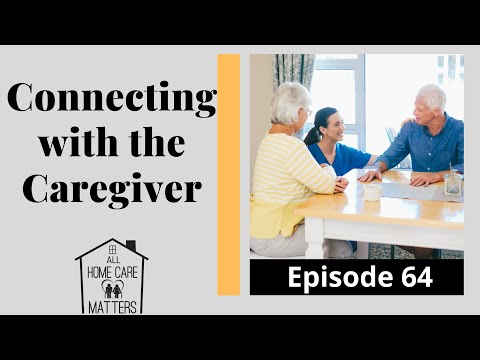 Connecting with the CaregiverFocuses on the emotional connection between caregiver and care recipient, which can be strained when you take over tasks. Offers ways to maintain intimacy and understanding.
Background
The Slow Boil of Role Reversal
For most spouse caregivers, the shift happens so gradually it feels like a slow boil. In the early stage, your partner might still manage their usual tasks, paying bills, cooking dinner, driving to appointments, but you notice small gaps: a missed payment, a burnt pot, a wrong turn. Because humans are remarkably adaptable, you compensate without thinking. You quietly check the checkbook, take over the stove, offer to drive. By the time you realize what's happened, you're already doing everything, and your partner may not even notice the change. This is not failure on your part; it's a natural survival response to a slowly changing reality.
Why This Is Different from Other Caregiving Roles
Unlike an adult child caring for a parent, a spouse caregiver is losing a life partner, not a parent. You are experiencing what experts call 'living bereavement', watching the person you married lose their personality, independence, and the shared history that defined your relationship. The tasks you take over are not just chores; they are the tangible expressions of your partnership. The husband who always balanced the checkbook, the wife who planned every meal, these roles are woven into your identity as a couple. When you take them over, you are not just managing logistics; you are dismantling the structure of your marriage, one task at a time. This grief is real and deserves acknowledgment.
The Hidden Danger: Caregiver Overload and Your Own Health
Research shows that spouse caregivers often provide around-the-clock care while neglecting their own health. In fact, the caregiving spouse tends to die first from the stress and physical toll of the role. This is not an exaggeration. When you take over all household tasks, you lose time for exercise, sleep, social connection, and medical appointments. You may feel guilty accepting help, believing it's your responsibility to do everything yourself. But working yourself into the grave does your partner no favors. Recognizing that you need support is not a sign of weakness, it is the most loving thing you can do for both of you.
Practical tools
6
The 'Good Fantasy' Script
When your partner insists on doing something they can no longer do safely, use a calm, reassuring statement that redirects without confrontation. For example: 'The car is in the shop, so I'll drive us today.' 'The stove needs a new part, so let's have sandwiches for dinner.' 'The bills are already paid for this month, so let's watch a movie.' This preserves their sense of control and avoids arguments.
The Daily Routine Checklist
Create a simple, laminated checklist for your partner that includes pictures of tasks they can still do, like 'brush teeth,' 'fold towels,' 'water plant.' Place it in a visible spot. This gives them a sense of purpose and reduces your need to direct them constantly. For yourself, keep a separate checklist of your own self-care tasks (e.g., 'take meds,' 'walk 10 min,' 'call friend').
The 'Focus on Abilities' Activity
When your partner is restless or agitated, offer a simple, repetitive task that uses their remaining skills. Folding warm towels, sorting socks by color, or wiping down a table can be calming and familiar. Say, 'I could really use your help with this.' This shifts their focus from confusion to contribution and often reduces anxiety.
The Caregiver Notebook
Keep a small notebook or digital document where you record:
Bring it to every appointment. This helps you track patterns and communicate clearly, reducing your own mental load.
The 'Transition Period' Plan for Paid Help
When hiring a caregiver, plan for a gradual introduction. Have the caregiver come for short visits (1-2 hours) while you are present, then gradually increase time and leave the room. Explain to your partner: 'This is Sarah, she's here to help me with some things. She's very nice.' Expect resistance for the first few visits; most people adjust within 2-4 weeks.
The Safety Audit Checklist
Walk through your home room by room and identify hazards:
Install grab bars in the shower, use non-slip mats, lock away dangerous items, and consider a medical alert system. This prevents accidents and reduces your worry.
Different situations
Late-stage Alzheimer's (when your partner is bedbound or needs full assistance with eating, toileting, and bathing)
At this stage, you are doing nearly 100% of physical care. The advice to 'let them do what they can' may no longer apply. Focus instead on preserving comfort and dignity: use gentle touch, speak in a calm voice, and prioritize your own rest. You may need 24/7 paid help or consider hospice care. Your role shifts from task management to comfort care.
If your partner has behavioral symptoms like aggression, wandering, or paranoia
Safety becomes the top priority. Use the safety audit checklist rigorously. Install door alarms, lock away car keys, and consider a GPS tracker. Avoid arguing or correcting delusions, instead, validate their feelings and redirect. For example, if they say someone is stealing, say, 'That must be upsetting. Let's check the house together.' If aggression occurs, step away and call for help. Discuss medication options with the doctor.
If you are a male spouse caregiver taking over tasks traditionally done by your wife (e.g., cooking, cleaning, laundry)
You may feel unprepared or embarrassed. It's okay to learn as you go. Use online tutorials, ask friends for tips, or hire a meal delivery service. Your partner may resist your help in the kitchen or bathroom due to modesty or habit. Consider hiring a female caregiver for personal care tasks if that feels more comfortable for both of you. You are not failing, you are adapting.
If you are a female spouse caregiver taking over tasks traditionally done by your husband (e.g., finances, home repairs, driving)
You may feel overwhelmed by learning new skills like managing investments or fixing a leaky faucet. It's okay to hire a handyman or financial advisor. Your partner may resist your help with driving or money, feeling emasculated. Use the 'good fantasy' approach: 'The car needs a checkup, so I'll drive today.' Protect your own financial future by consulting a lawyer about power of attorney and long-term care planning.
If you are caring for a partner with early-onset Alzheimer's (under age 65)
You may be younger and still working, raising children, or managing a career. The role reversal is even more jarring because you expected many more years of partnership. Seek out support groups specifically for early-onset caregivers. You may need to apply for disability benefits, Medicaid, or long-term care insurance earlier than expected. Your own health and career are at risk, do not sacrifice them entirely.
For the doctor
5
- Ask your doctor about a neuropsychological evaluation for your partner to understand how their memory loss is progressing and what to expect in terms of task abilities.
- Discuss with your partner's doctor whether any medications (like donepezil or memantine) might help slow cognitive decline or manage behavioral symptoms that interfere with daily tasks.
- Ask about a referral to a geriatric care manager who can help you assess your home safety, coordinate services, and create a care plan tailored to your situation.
- If you are experiencing symptoms of depression or anxiety (persistent sadness, sleep changes, irritability, loss of interest), discuss this with your own doctor. Treatment can include therapy, medication, or support groups.
- Consult a lawyer or elder law attorney about power of attorney, healthcare proxy, and long-term care planning. This is especially important if your partner can no longer make financial or medical decisions.