Step by step
What not to do
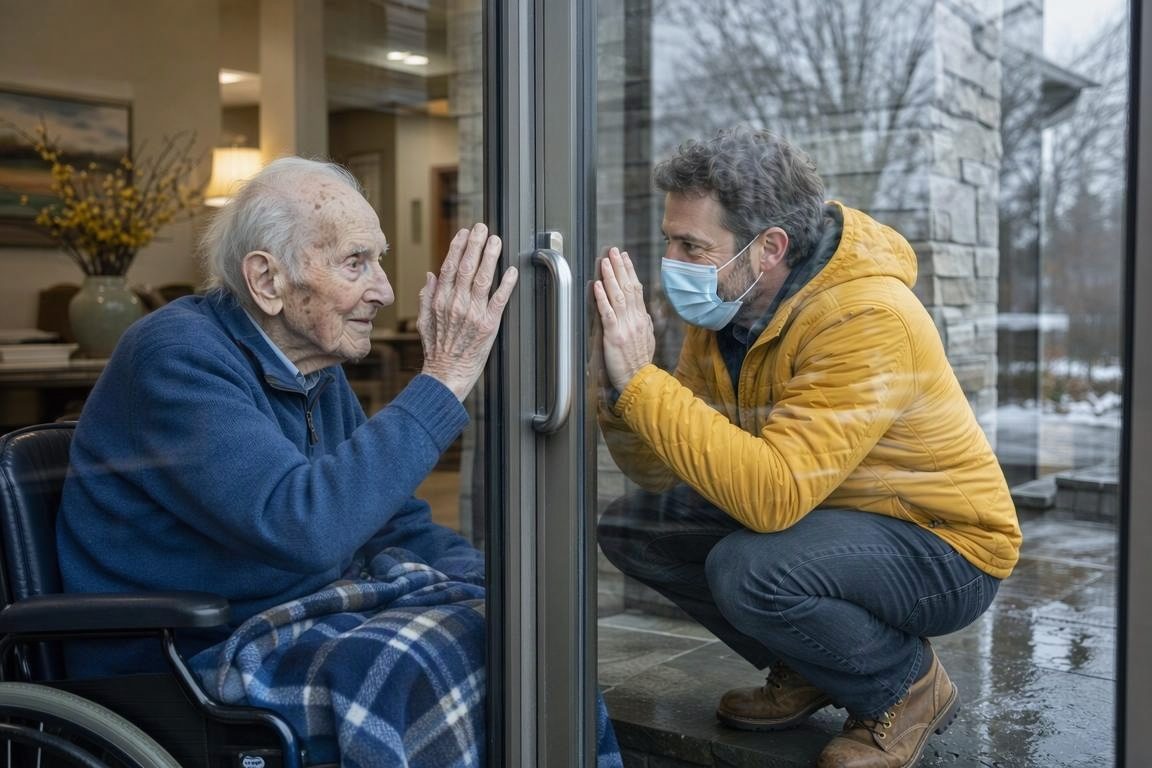
- Do not assume your loved one does not understand; they feel the loss of connection. Use simple language: 'We cannot hug right now because of germs, but I am right here.'
- Do not enforce public health rules by scolding or arguing. Model gently: 'Let's wash our hands together. I love this soap.'
- Do not isolate completely; complete withdrawal worsens depression. Find one safe connection: masked outdoor visit, video call, or walk in a quiet park.
- Do not assume that because the pandemic is 'over' in the news the damage is gone. Give yourself permission to still struggle and seek help.
- Do not skip your own medical appointments. Tell your doctor: 'I am a dementia caregiver. I need support for my own health.' Ask about counseling, medication, or respite.
Key points
- The pandemic did not create dementia care problems, it exposed and worsened a system that was already neglecting families.
- People with dementia were at higher risk for COVID-19 infection, hospitalization, and death, partly because they could not follow public health guidance.
- Delirium was common in hospitalized older adults with dementia and was made worse by visitor restrictions and unfamiliar staff.
- Family caregivers lost critical support (adult day centers, respite, support groups) and were left to manage alone, leading to increased burnout and depression.
- You can rebuild safety now by creating a hospital go-bag, a daily rhythm board, and a communication sheet for healthcare providers.
- Advocate for consistent staffing in facilities and for your own mental health care. You are not alone, and seeking help is a sign of strength.
Videos
 Ep. 216: Why We Have to 'Dive' into Dementia Care TrainingThis video explains why the pandemic set back dementia care knowledge and why we need to rebuild training and awareness from the ground up.
 Top 5 Caregiving Mistakes to Stop Doing TodayPractical, no-nonsense advice on common caregiver errors that were amplified by pandemic stress, and how to fix them.
 Dr. Buffy Lloyd-Krejci, Founder and President of IPCWell, & Author of 'Broken'An expert on infection control in long-term care explains how the system failed nursing homes during COVID and what families can do to advocate for safer care.
 Caregiver Stress and Depression, Dr. Helen Lavretsky - UCLAMDChatA geriatric psychiatrist explains the unique stress of dementia caregiving and offers evidence-based strategies to protect your own mental health.
2 more videos
 What Is Caregiver Burden During Dementia Progression? - TestBreaks down the concept of caregiver burden and why the pandemic made it worse, with concrete steps to lighten the load.
 Preview AlzAuthors' Digital Event When Dad has Dementia June 7th, 2022A personal story of caregiving during the pandemic that validates the emotional toll and offers hope through shared experience.
Background
Why Dementia Made COVID-19 So Much Harder
People living with dementia faced unique vulnerabilities during the pandemic that went far beyond age or underlying conditions. Cognitive impairment made it nearly impossible for many to follow basic public health guidance like hand hygiene, social distancing, or staying home. A person with moderate or advanced dementia might not remember why they needed to wash their hands, or they might become agitated when asked to stay away from loved ones. Behavioral symptoms like wandering, motor agitation, or intrusiveness directly conflicted with isolation orders. As one review noted, these factors meant that older adults with dementia were at higher risk of both catching COVID-19 and dying from it, even when compared to other older adults without dementia.
The System Was Already Failing: Then It Broke
Long before the pandemic, dementia care in the United States was treated as an afterthought. Public health priorities consistently placed long-term care last, behind hospitals and dialysis centers. When COVID-19 hit, nursing homes and memory care facilities became epicenters of infection and death. Staff were overwhelmed, testing was scarce, and infection control protocols were not designed for people who could not understand or comply with them. At the same time, community-dwelling families lost adult day centers, in-home respite, and support groups, often overnight. One care partner described the experience as 'layers and layers of stress added to situations' that were already fragile.
The Hidden Wound: Delirium and Hospital Neglect
When a person with dementia was hospitalized for COVID-19, the hospital environment itself became a threat. Delirium, a sudden, severe confusion, struck up to 28% of older adults on admission and 25% during their stay. For someone already living with dementia, this was catastrophic. Without a familiar caregiver at the bedside (visitor restrictions were common), no one could interpret their distress, reorient them, or prevent them from pulling out IV lines. The result was longer stays, worse outcomes, and lasting cognitive decline. One study found that dementia was an independent risk factor for death from COVID-19, regardless of age or other illnesses.
Caregivers Were Left to Drown Alone
Family caregivers were already at high risk for depression, burnout, and physical health problems before the pandemic. COVID-19 stripped away their lifelines: no support groups, no in-home help, no visits from friends or family. Many had to become full-time nurses, activity directors, and emotional regulators with no training and no breaks. As one expert noted, the standard of care before the pandemic was already inadequate, a diagnosis, a prescription, and a follow-up in six months. The pandemic made that neglect visible on a national scale, but it did not create it. Caregivers were set up for failure long before the virus arrived.
Practical tools
5
Hospital & Facility Communication Card
Create a single laminated card with
Hand it to every nurse and doctor on admission; ask the charge nurse to post it in the room and share it across shifts.
The 'We Are Safe' Script
When your loved one is anxious about masks, isolation, or hospital visits, say: 'I know this is strange. The doctors are wearing masks to keep us safe. I am right here with you. We are safe together.' Repeat without arguing about facts; focus on emotional safety.
Virtual Support Group Locator
Go to alz.org/CRF (Alzheimer's Association Community Resource Finder) or call 1-800-272-3900 and ask for 'a virtual support group for family caregivers of someone with dementia that meets weekly and is free.' Many groups are still online and can be accessed from home.
Daily Rhythm Board
Use a large whiteboard or poster board. Draw simple pictures or use stickers for
Place it at eye level in the kitchen or living room. Point to each activity as you do it to reduce confusion and give a sense of control.
Caregiver Health Check-In
Once a week, ask yourself three questions:
If you answer 'no' to any, take one small action, call a friend, order a meal, or go to bed 30 minutes early.
Different situations
Lewy body dementia (LBD)
People with LBD are extremely sensitive to medications, especially antipsychotics, which were sometimes used to manage agitation during COVID isolation. Never accept a new medication without discussing it with a neurologist who knows LBD. Also, visual hallucinations may worsen with stress or infection. If your loved one seems to see things that are not there, do not argue. Say: 'I do not see that, but I believe you do. How can I help?'
Late-stage dementia (unable to speak or walk)
Your loved one cannot tell you they are in pain, but infection or delirium may show up as moaning, restlessness, or refusing to eat. During the pandemic, many were not tested for COVID until very ill. If you notice any sudden change in behavior, ask the doctor: 'Could this be an infection? Can we check for COVID, a UTI, or dehydration?' Also, prioritize comfort: gentle touch, familiar music, and a calm voice are more important than any rule.
Adult child caregiver (vs. spouse)
You may be juggling your own job, children, and a parent with dementia. The pandemic added school closures and remote work to that load. You are at especially high risk for burnout. Be honest with your employer: 'I am caring for a parent with dementia. I need flexible hours or occasional time off.' Look into the federal Family and Medical Leave Act (FMLA) if you qualify. Also, ask siblings or other family for specific help: 'Can you handle the grocery shopping every week?' or 'Can you call Mom every Tuesday at 4 pm?'
Living in a nursing home or memory care facility
You may have been barred from visiting for months. That loss of connection is real and damaging. Now that restrictions have eased, visit as often as you can, but also advocate for video calls or phone calls on days you cannot be there. Ask the facility: 'What is your policy for family presence during an outbreak? Can I still visit if I test negative and wear PPE?' Also, request a care plan meeting to discuss how they will prevent delirium and maintain your loved one's routine if another lockdown occurs.
Medicaid or low-income resources
If you rely on Medicaid or community programs, the pandemic may have disrupted your services. Contact your local Medicaid office or Area Agency on Aging and ask: 'Are there any waivers or emergency programs that can help me get in-home care, respite, or adult day services?' Some states expanded home- and community-based services during the public health emergency. You may also qualify for the Program of All-Inclusive Care for the Elderly (PACE) if your loved one is 55+ and needs nursing-home-level care but wants to stay home.
For the doctor
5
- Ask your doctor: 'Given my loved one's dementia and other health conditions, what is their current risk for severe COVID-19? Should they receive the updated vaccine and any additional doses?'
- Discuss with the neurologist or geriatrician: 'What is the best way to manage agitation or wandering if we need to isolate again? Are there non-drug approaches we can try first?'
- If your loved one is hospitalized, ask the hospitalist: 'Can I stay with them to help prevent delirium? If not, can we have regular video calls and a consistent nursing assignment?'
- Ask the pharmacist: 'Are any of my loved one's medications known to increase delirium risk, especially if they get an infection? Can we review them?'
- If you are feeling overwhelmed, depressed, or unable to cope, tell your primary care doctor: 'I am a dementia caregiver and I am struggling. Can you refer me to a counselor or support group? Is medication an option for my anxiety or depression?'