What not to do
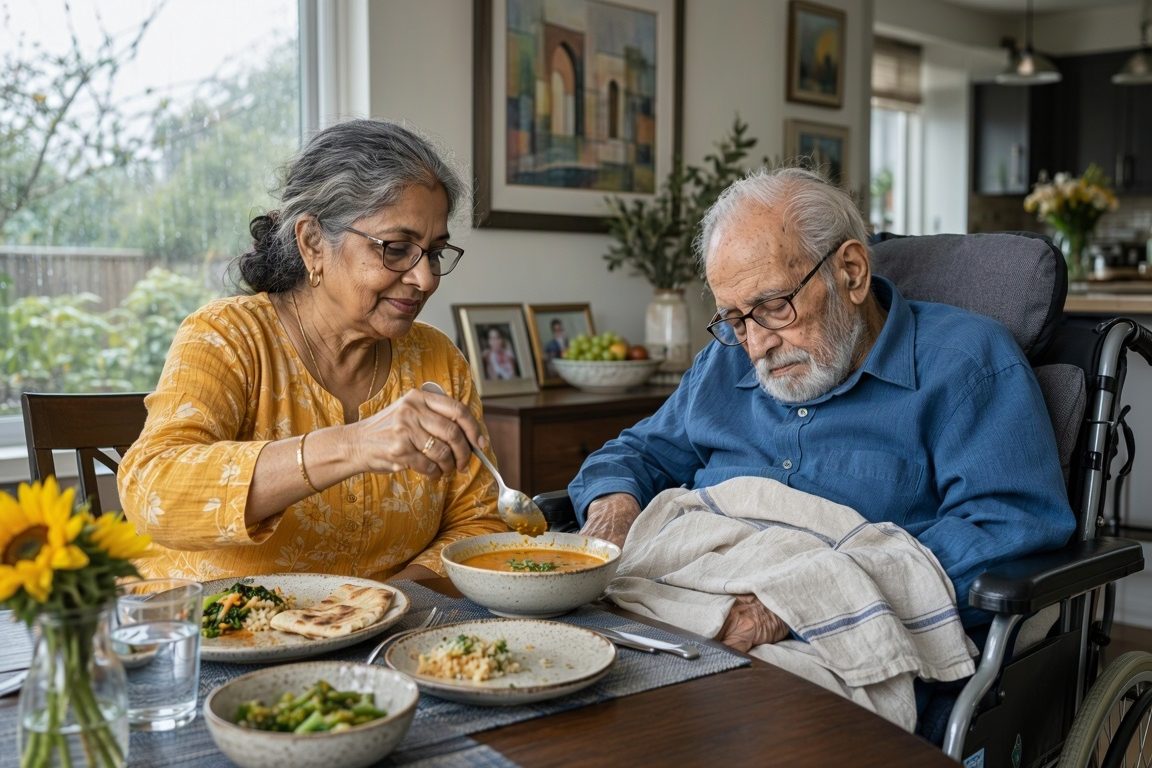
- Do not force food or water when they stop eating or drinking, this is natural and forcing can cause discomfort.
- Do not assume increased sleep or reduced intake means they are in pain, these are expected stages of dying.
- Do not delay hospice referral if functional decline is severe and the person sleeps most of the day, waiting may miss the 6-month window.
Key points
- End-stage Parkinson’s looks very similar to end-stage dementia; the body slows down gently, with lots of sleep and little eating or drinking.
- Hospice is appropriate when a doctor estimates six months or less to live, and the person has severe functional decline, sleeps most of the day, and stops eating and drinking.
- You can ask for a hospice referral just to 'check it out', there is no harm and no commitment.
- Hospice focuses on comfort, not cure, and includes a team of nurses, social workers, chaplains, and aides who support the whole family.
- Do not force food or water at the end; it can cause choking. Instead, offer small sips or ice chips.
- Take care of yourself, hospice offers bereavement support for up to a year after death.
Videos
 End-of-Life Parkinson’s and How Dementia is RelatedThis video explains how Parkinson’s and dementia look the same at the very end, and gives clear signs that hospice is needed.
 When Should Dementia Patients Enter Hospice? - TestThis video answers the exact question of timing for hospice, including FAST scale criteria and the six-month prognosis.
 Parkinson's Disease Caregivers: You're Not AloneThis video offers emotional support and practical advice for caregivers of late-stage Parkinson’s patients.
 Alzheimer's Disease - The End Stage (Mini-Series Part 3)Though focused on Alzheimer’s, this video describes the end-stage process that is very similar to Parkinson’s dementia.
2 more videos
 Palliative Care And Hospice Conversations For Dementia Patients, Families And CaregiversThis video gives scripts and conversation starters for talking to doctors about hospice and palliative care.
 What is Hospice?This video explains the basics of hospice care, dispelling myths and showing what the team does.
Background
What is happening in end-stage Parkinson’s?
In the final stage of Parkinson’s disease, the person’s body is slowly shutting down. They will need help with almost all personal care, such as bathing, dressing, and using the bathroom. Walking becomes impossible, and eventually they may not be able to stand at all. Many people also experience non-movement symptoms like hallucinations, delusions, and changes in thinking. Research suggests that up to 80% of people with advanced Parkinson’s develop dementia, so the end-stage often looks very similar to someone dying with Alzheimer’s or another dementia. The body’s organs, including the skin, start to get less nourishment, which can lead to skin breakdown or pressure sores. This is not anyone’s fault, it is simply the nature of the disease progressing.
How does the dying process unfold?
As the person nears the very end, they will gradually sleep more and more, often 18 to 20 hours a day. They will stop eating and drinking, and their body will enter what hospice professionals call the 'actively dying' phase. At this point, the person looks much like anyone else with any terminal illness, breathing may become irregular, there may be long pauses between breaths, and the person will be completely unresponsive. The good news is that this final stage is usually very gentle, with few distressing symptoms. The person is not suffering; their body is simply finishing its work. Hospice teams are trained to manage any discomfort, such as pain, shortness of breath, or agitation, so that the person remains peaceful.
When is it time to consider hospice?
Hospice care is appropriate when a doctor estimates that the person has six months or less to live if the illness follows its usual course. For Parkinson’s, key signs include: the person is sleeping most of the day, not eating or drinking, and has severe functional decline, needing help with all activities. They may also have recurrent infections, such as pneumonia or urinary tract infections, or significant weight loss. Many families wait too long to bring up hospice, often only two weeks before death. There is no harm in asking the doctor for a referral just to 'check it out.' Hospice does not mean giving up; it means shifting the goal from curing to comforting. You can even go on and off hospice if the person stabilizes.
How is hospice different from palliative care?
Palliative care can be provided at any stage of a serious illness, alongside treatments aimed at a cure. It focuses on improving quality of life by managing symptoms like pain, nausea, and difficulty breathing. Hospice is a specific type of palliative care for people who are expected to have six months or less to live and who are no longer pursuing curative treatments. Both services involve a team of doctors, nurses, social workers, and chaplains who work with your existing doctors. You can ask for a palliative care referral at any time after a Parkinson’s diagnosis. If you are a veteran, the VA may provide these services. Hospice can be provided at home, in a facility, or in a hospice center.
Practical tools
1
Hospice eligibility checklist for Parkinson's
A structured list based on Medicare criteria:
Use to guide discussion with the physician.
Different situations
For a person with Parkinson’s disease dementia (PDD) or Lewy body dementia
The end-stage looks nearly identical to Alzheimer’s, but hallucinations and delusions may be more prominent earlier. Hospice criteria are the same: severe functional decline, sleeping most of the day, not eating. The hospice team can manage these symptoms with medications, but always discuss with the clinician.
For a spouse caregiver vs. an adult child caregiver
Spouses often feel more guilt about 'giving up' and may delay hospice. Adult children may find it easier to advocate for the referral. Both should know that hospice supports the whole family. Spouses should accept respite care, a few hours of help each week, to prevent burnout.
If the person is in a nursing home or assisted living facility
Hospice can come into the facility and work with the staff. The facility may have its own hospice preferences, so ask the social worker for a list of providers. You can still interview multiple hospice programs even if the facility has a preferred one.
If the person is a veteran
The VA may provide palliative care and hospice services. Ask the doctor for a referral to the VA palliative care team. They may have additional benefits like in-home respite or a dedicated hospice unit.
If the person is on Medicaid or has limited insurance
Medicare covers hospice if the doctor certifies six months or less. Medicaid also covers hospice in most states. Some hospice programs accept people who are not strictly terminal but are in decline. Call local programs and ask about financial assistance or sliding scales.
For the doctor
8
- Ask the doctor: 'Based on my loved one’s current condition, sleeping 18 hours a day, not eating, needing total care, do you estimate they have six months or less to live?'
- Ask the hospice team: 'What medications are available to manage pain, anxiety, or shortness of breath? How do we adjust them safely?'
- Ask the clinician: 'What are the signs that my loved one is entering the actively dying phase? What should I do if I see those signs?'
- Ask the doctor: 'Can we have a palliative care consult now, even if we are not ready for hospice?'
- Ask the hospice nurse: 'How do we prevent skin breakdown? What supplies do you provide?'
- Ask the doctor: 'What is the safest way to manage pain or anxiety without over-sedating my loved one? Are there specific medications or doses you recommend?'
- Ask the clinician: 'Is it safe to use a turning schedule every two hours if my loved one seems uncomfortable? What alternatives are there?'
- Ask the doctor: 'What are the legal steps I need to take to ensure my loved one’s wishes are followed at the end of life, such as advance directives or a do-not-resuscitate order?'