Step by step
What not to do
- Do not ignore episodes of dizziness or fainting, thinking they are just part of aging. These can be early signs of dangerous blood pressure instability that requires medical attention.Instead, document them and discuss with the doctor.
- Do not suddenly stop or change any blood pressure or Parkinson's medications on your own. Some drugs can cause rebound effects that worsen symptoms. Always consult the prescribing clinician before making changes.
- Do not force the person to stand up quickly or walk if they feel dizzy. This can lead to a fall or a sudden drop in blood pressure that may cause loss of consciousness.Instead, encourage slow, supported movements and allow them to rest if needed.
- Do not assume that a sudden change in alertness or confusion is just part of dementia. It could signal a medical emergency like an infection, dehydration, or a drop in blood pressure. Always check for physical causes first.
- Do not neglect your own well-being as a caregiver. The stress of managing late-stage LBD can be overwhelming. If you feel overwhelmed, seek support from a counselor, support group, or respite care. Your health matters too.
Key points
- Sudden death in Lewy body dementia is uncommon but can occur due to severe orthostatic hypotension and autonomic dysfunction.
- Monitoring blood pressure with position changes is a key step you can take at home to catch dangerous drops early.
- Slow, supported position changes and good hydration are simple but powerful ways to reduce risk.
- Work closely with the healthcare team to review medications and manage symptoms like dizziness and falls.
- In late-stage LBD, a palliative or hospice care team can provide expert symptom management and support for both you and your loved one.
- You are not alone, reach out to support groups, respite care, and community resources for help.
Videos
 What is lewy body dementia?This video provides a clear overview of Lewy body dementia, including its symptoms and progression, which helps caregivers understand the context of sudden death risk.
 Time with Teepa - What Might Someone With Lewy Body Dementia See?Teepa Snow offers practical insights into the visual hallucinations common in LBD, which can be distressing and may contribute to falls or agitation, a factor in sudden events.
 Ep. 212: My Person Has Lewy Body dementia, Do They Require a Skilled Care Partner?This episode discusses the specialized care needs for LBD, including monitoring for autonomic symptoms like blood pressure changes, which is directly relevant to sudden death risk.
 Ep. 154: Why Dementia Does Not Always Equal AlzheimersThis video helps differentiate LBD from other dementias, emphasizing the unique risks like autonomic dysfunction that caregivers need to be aware of.
2 more videos
 Early Onset Alzheimer's & DementiaWhile focused on early onset, this video offers general caregiving strategies that can be adapted for late-stage LBD, including managing medical emergencies.
 Dementia in the Context of Serious Mental IllnessThis video addresses the intersection of dementia and mental health, which is relevant because anxiety and agitation can exacerbate autonomic instability in LBD.
Background
What Happens in Late-Stage Lewy Body Dementia That Can Lead to Sudden Death?
In late-stage Lewy body dementia, the buildup of abnormal protein deposits called Lewy bodies affects not only thinking and movement but also the autonomic nervous system, the part of the body that controls automatic functions like blood pressure, heart rate, and breathing. Research has shown that severe orthostatic hypotension (a sudden drop in blood pressure when standing up) can occur, and in rare cases, this has been linked to sudden death. One documented case involved a 75-year-old woman with dementia and parkinsonism who died suddenly, and an autopsy revealed extensive Lewy body formation in areas of the brain that regulate these vital functions, including the midbrain and spinal cord. This case illustrates how the disease itself might directly impair the body's ability to maintain stable blood pressure and heart rhythm, especially in the final stages.
How Common Is Sudden Death in Lewy Body Dementia?
It is important to know that sudden death is considered an uncommon occurrence in Lewy body dementia. Studies comparing causes of death in LBD versus Alzheimer's disease have found that while people with LBD generally have a shorter survival time after diagnosis (averaging about 4.11 years compared to 5.66 years for Alzheimer's), the immediate cause of death is more often related to complications like pneumonia, falls, or infections rather than a sudden cardiac event. However, the autonomic dysfunction seen in LBD, including blood pressure instability, heart rate irregularities, and problems with temperature regulation, does create a vulnerability that caregivers should be aware of. The risk is highest in the late stage when the person is bedridden, has difficulty swallowing, and may experience severe drops in blood pressure with position changes.
What Are the Warning Signs to Watch For?
Caregivers should be alert to symptoms that signal autonomic nervous system trouble. These include frequent dizziness or fainting when the person stands up (orthostatic hypotension), a sudden increase in falls, episodes of confusion or lethargy after standing, and changes in heart rate, such as a very slow or very fast pulse. Other signs include severe constipation, inability to sweat or control body temperature, and urinary retention. If you notice any of these, especially in combination with a general decline in the person's ability to move or communicate, it is crucial to report them to the doctor. These symptoms can be managed with medications, hydration strategies, and careful monitoring, but they require medical guidance to address the underlying risk.
Practical tools
6
Home Blood Pressure Monitor
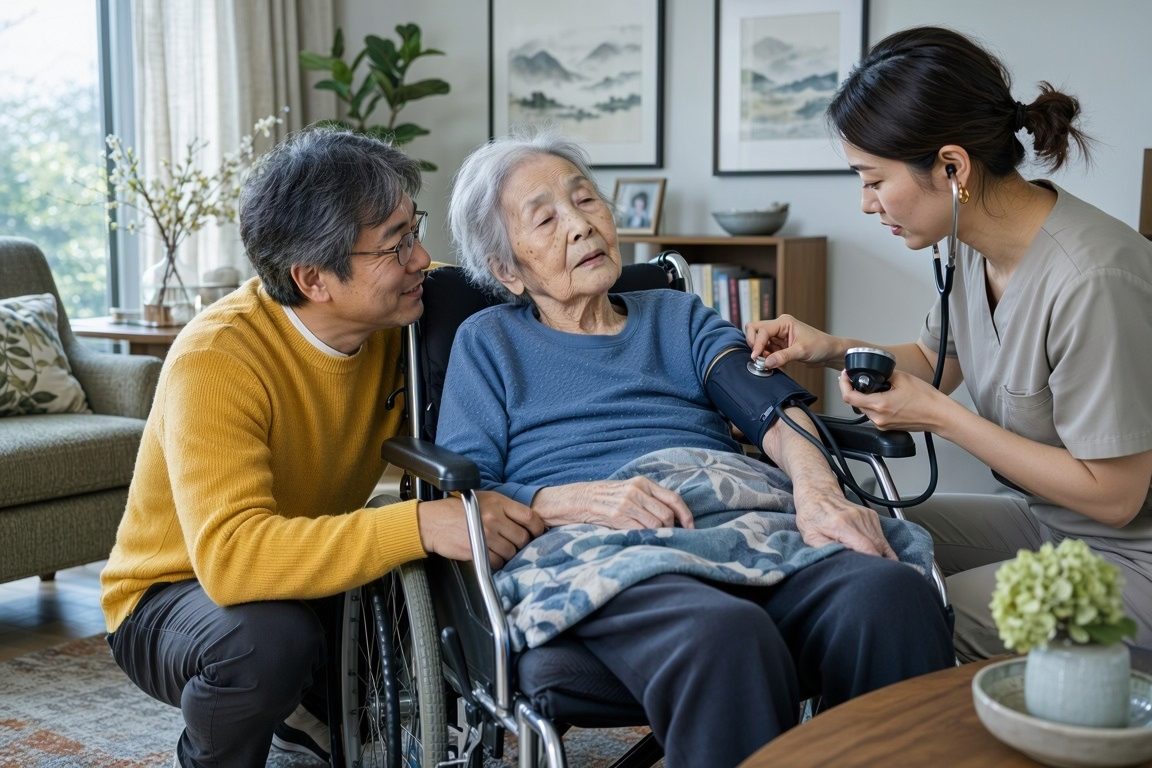
A simple, automatic blood pressure cuff (like those from Omron or A&D) is essential for tracking orthostatic hypotension. Use it to measure blood pressure lying, sitting, and standing. Record readings in a log to share with the doctor. This tool helps you catch dangerous drops early. Stop the measurement and help the person sit or lie down if they feel dizzy or faint.
Position Change Script
Use this phrase when helping the person stand: 'Let's take it slow. First, sit up on the edge of the bed. Take a few deep breaths. Now, I'm going to help you stand. Hold onto my arm. Let's pause for a moment before we walk.' This gentle guidance reduces the risk of a sudden drop. If the person becomes dizzy, stop and help them sit or lie down.
Hydration Reminder Chart
Create a simple chart with times of day (morning, midday, afternoon, evening) and checkboxes for each glass of water or fluid. Place it on the refrigerator or near the person's chair. Aim for 6-8 cups of fluid daily, unless the doctor advises otherwise. Use a favorite cup to encourage drinking.
Bedside Commode or Urinal
In late-stage LBD, getting to the bathroom can be dangerous. A bedside commode or urinal reduces the need to stand and walk, lowering the risk of falls and blood pressure drops. Place it close to the bed, and ensure the person knows how to use it safely.
Emergency Contact Card
Write down
Keep this card in your wallet and near the phone. In a crisis, you can quickly share critical information with first responders.
Symptom Diary App or Notebook
Use a simple notebook or a free app like 'Caregiver's Diary' to track daily symptoms:
This record helps the doctor spot patterns and adjust treatment.
Different situations
Late-stage LBD / Spouse caregiver at home
As a spouse, you may be the primary caregiver 24/7. Prioritize your own health by arranging respite care or asking family for help. Use the blood pressure monitoring steps daily, and consider a medical alert system for emergencies. The emotional toll is heavy; join a support group for LBD caregivers to share experiences and get practical tips.
Late-stage LBD / Adult child caregiver (living apart or with parent)
If you are an adult child, you may be balancing work and caregiving. Coordinate with other family members to share monitoring duties. Use a shared digital log (like a Google Doc) to track symptoms and blood pressure readings. Consider hiring a home health aide for a few hours a day to help with position changes and hydration. Communicate regularly with the parent's doctor about any changes.
Late-stage LBD / Person in a nursing home or assisted living
In a facility, staff should be trained to monitor orthostatic hypotension. Ask the nurse to check blood pressure with position changes and to keep a log. Ensure the care plan includes slow position changes, hydration reminders, and fall prevention. Visit often and advocate for your loved one, ask about any episodes of dizziness or fainting. If the facility is not responsive, request a meeting with the director of nursing.
Late-stage LBD / Person on Medicaid or with limited resources
If cost is a concern, ask the doctor's office if they can provide a free blood pressure cuff or if a local senior center has one to borrow. Look into community programs that offer free home safety assessments (like fall prevention). For hydration, use tap water or affordable flavored water. Contact the local Area Agency on Aging for resources on respite care or hospice support, which may be covered by Medicaid.
For the doctor
7
- Ask the doctor: 'What is the best way to monitor my loved one's blood pressure at home, and what numbers should I be concerned about?'
- Ask the doctor: 'Are there any medications my loved one is taking that could be contributing to orthostatic hypotension? Can we review them?'
- Ask the doctor: 'Should we consider a referral to a cardiologist or a specialist in autonomic disorders for further evaluation?'
- Ask the doctor: 'What are the signs of a serious drop in blood pressure that would require a trip to the emergency room?'
- Ask the doctor: 'Is it safe to use compression stockings or an abdominal binder to help with blood pressure? If so, what type and how should we use them?'
- Ask the doctor: 'What specific medications or doses are recommended for managing orthostatic hypotension in late-stage LBD?'
- Ask the doctor: 'Are there any legal or advance directive steps we should take now to prepare for a sudden event?'