Step by step
What not to do
- Do not assume a normal cognitive screening score rules out dementia; if symptoms persist, insist on further evaluation.
- Do not coach or give answers during the exam, let your loved one respond independently.
- Do not dismiss symptoms like falls, memory changes, or slurred speech as normal aging, they warrant neurological evaluation.
- Do not rely only on the neurological exam for diagnosis; a complete workup often includes blood tests, brain imaging, and neuropsychological testing.
Key points
- A neurological exam is a simple, non-invasive check of the nervous system that helps diagnose conditions like dementia, Parkinson's, and stroke.
- The exam includes tests of mental status, cranial nerves, muscle strength, reflexes, coordination, and balance.
- It is different from neuropsychological testing, which is longer and more detailed, and is often used for a deeper assessment of cognitive function.
- You can help by preparing a symptom and medication log, staying calm during the exam, and using reassuring phrases.
- Do not assume a normal screening test means no problem exists; further evaluation may still be needed.
- Early diagnosis through a neurological exam can lead to better management and quality of life for your loved one.
Videos
 How Do People Get Tested For Dementia?This video explains the process of getting tested for dementia, including the role of neurological exams and cognitive tests, which directly relates to understanding what a neurological exam involves.
 Why Getting a Dementia Diagnosis Is So Hard (And How to Make It Easier)This video addresses the challenges families face in the diagnostic process, offering practical tips that complement the information about neurological exams.
 Optimal Dementia Care Path: From Early Diagnosis to the Right SupportThis video outlines the ideal care pathway, emphasizing the importance of early and accurate diagnosis, which starts with a neurological exam.
 Inside a Dementia Clinic: What REALLY Happens? Invited talk by Dr. Khushboo VermaThis talk provides a behind-the-scenes look at what happens during a dementia evaluation, including the neurological exam, helping caregivers know what to expect.
Background
What is a neurological exam and why is it done?
A neurological exam, also called a neuro exam, is a set of checks that look at how different parts of the nervous system are working. Your nervous system includes the brain, spinal cord, nerves, and muscles. The exam can take anywhere from a few minutes to over an hour, depending on your loved one's symptoms and how they respond to the tests. It is usually done by a neurologist, a doctor with special training in disorders of the brain and nervous system, including Alzheimer's disease, Parkinson's disease, and other dementias.
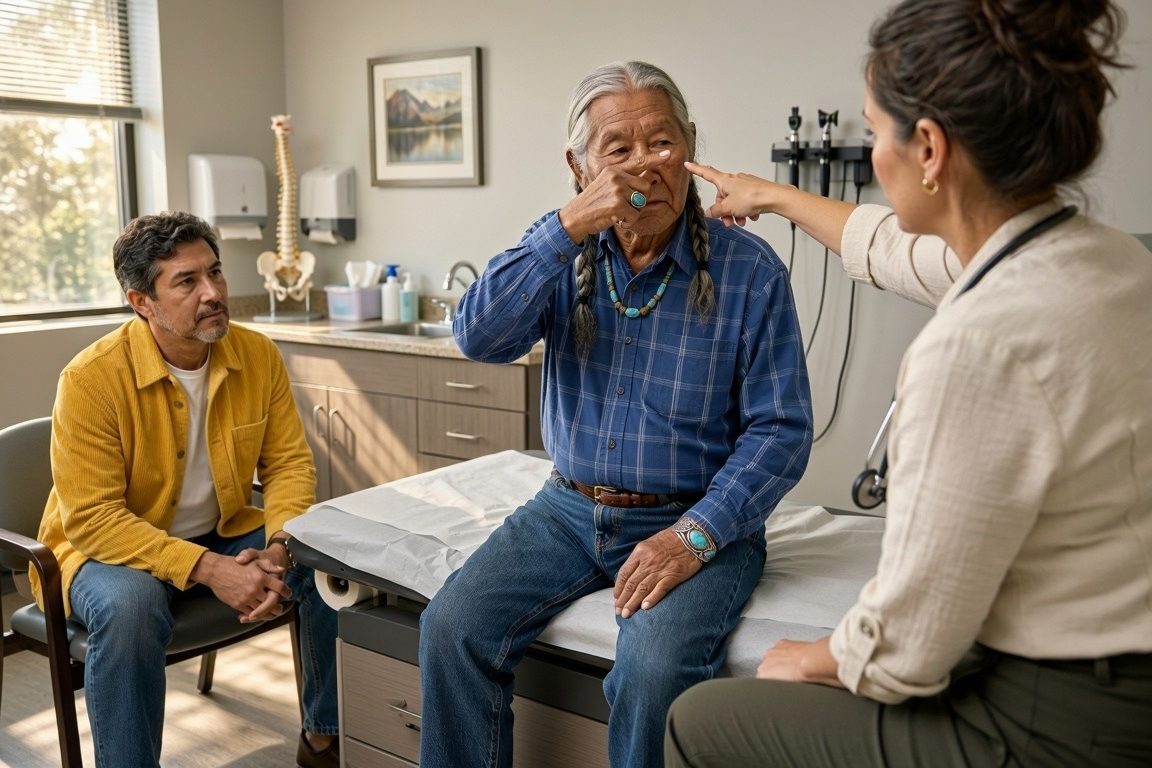
The main goal of a neuro exam is to find out why someone is having symptoms like weakness, numbness, trouble talking, memory loss, headaches, or problems with balance. It can also help monitor a known nervous system disease and see how treatments are working. For example, if your loved one has been falling or has slurred speech, the exam can help pinpoint the cause. The doctor will ask about your loved one's symptoms and medical history, and then do simple tests like asking them to follow a finger with their eyes, touch their nose, or walk in a straight line.
What specific tests are included in a neurological exam?
A neurological exam includes several types of tests that check different functions. The doctor will check your loved one's mental status, which includes things like memory, attention, language, and the ability to solve problems. They might ask simple questions like 'What is the date today?' or ask them to remember a few words and recall them later. This part is similar to cognitive screening tools like the Mini-Mental State Exam (MMSE) or the Montreal Cognitive Assessment (MoCA), which are often used to screen for dementia.
The exam also checks the cranial nerves, which control things like eye movement, facial expressions, swallowing, and hearing. The doctor may ask your loved one to follow a light or finger with their eyes, smile, puff out their cheeks, or stick out their tongue. They will also test muscle strength, reflexes, coordination, and sensation. For example, they might ask your loved one to push against their hand, tap their foot, or close their eyes and say when they feel a light touch. They may also check balance and walking by asking them to walk heel-to-toe in a straight line.
How does this differ from neuropsychological testing?
It's important to know that a neurological exam is different from neuropsychological testing. A neurological exam is usually done by a neurologist and focuses on the physical and basic cognitive functions of the nervous system. It's often a shorter process that can be done in a doctor's office. Neuropsychological testing, on the other hand, is a much longer, more detailed series of tests done by a neuropsychologist. It can take several hours and looks at many specific cognitive functions like attention, memory, language, problem-solving, and visuospatial skills.
Neuropsychological testing is often used when a neurological exam shows something unclear, or when doctors need a very detailed picture of a person's thinking abilities. For example, it can help tell the difference between normal aging, mild cognitive impairment, and different types of dementia. The results are compared to other people of the same age, education, and sometimes race, to see if there are significant differences. While a neurological exam can give a quick snapshot, neuropsychological testing provides a deeper dive into how the brain is working.
Practical tools
4
Symptom and Medication Log
Record daily symptoms (timing, duration, triggers) plus all medications/dosages. Bring to each appointment to help the doctor identify patterns.
Comfort Kit for the Appointment
Pack
This reduces anxiety and smooths the visit.
Cognitive Screening Tools Reference
Ask which test will be used (Mini-Cog, MoCA, MMSE, or 10-CS). Knowing the name helps you prepare, but remember these are screening tools, not diagnostic.
Informant Questionnaire on Cognitive Decline (IQCODE)
A structured questionnaire for someone who knows the patient well (like you), assessing memory/thinking changes over time. The doctor may ask you to complete it to complement the neuro exam.
Different situations
For a person with Alzheimer's disease
The neurological exam may focus more on memory and language tests, as these are often affected early. The doctor might ask about recent events, repeat words, or name objects. Be prepared for your loved one to have difficulty with these tasks. Stay patient and encouraging.
For a person with vascular dementia
The exam may place more emphasis on problem-solving and planning skills, as these are often more affected than memory in vascular dementia. The doctor might ask your loved one to solve a simple problem or create a plan. Also, blood pressure and cholesterol checks are important, as vascular dementia is linked to heart health.
For a person with Lewy body dementia
The exam will likely include checks for movement problems like stiffness, slowness, or tremors, which are common in Lewy body dementia. The doctor may also ask about visual hallucinations or changes in alertness. Be ready to describe any such symptoms you've noticed.
For a person in the early stage of dementia
The neurological exam might be shorter and less intensive, but it's still important. The doctor may use screening tools like the MoCA. Your loved one may still be able to drive and work, so the exam can help determine what accommodations are needed. Encourage them to be honest about their symptoms.
For a person with a history of head injury or stroke
The exam will likely include a more detailed check of motor and sensory functions on one side of the body, as these can be affected by stroke. The doctor may use a structured exam like the National Institutes of Health Stroke Scale (NIHSS) to quantify the severity. Be ready to provide details about the injury or stroke.
For the doctor
5
- Ask your doctor: 'Based on the neurological exam results, what is the next step for diagnosis? Do we need additional tests like an MRI, blood work, or a lumbar puncture?'
- Ask your doctor: 'Are there any risks or side effects from the tests performed during the exam, especially if needles were used?'
- Ask your doctor: 'How do the results of this exam compare to a full neuropsychological evaluation? Would that be helpful for my loved one?'
- Ask your doctor: 'What should we do if my loved one becomes very anxious or refuses to cooperate during the exam? Are there any strategies or medications that can help?'
- Ask your doctor: 'Can you recommend a support group or counselor for me as a caregiver? The stress of this process is affecting my own health.'