Step by step
What not to do
- Do not use over-the-counter sleep aids like diphenhydramine (e.g., 'PM' pain relievers); they can cause confusion and worsen memory.
- Do not give benzodiazepines (e.g., lorazepam, temazepam) or Z-drugs (e.g., zolpidem/Ambien) without explicit medical guidance; they raise fall and confusion risks.
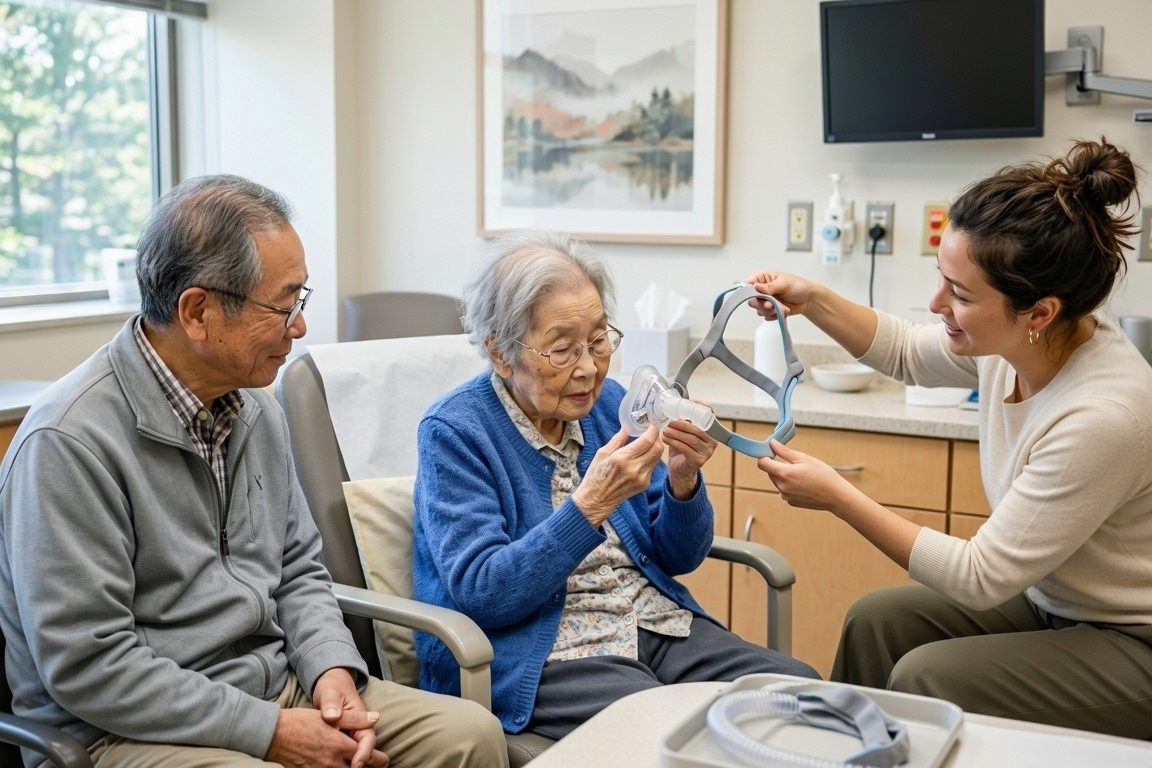
- Do not ignore snoring or gasping during sleep; this may indicate sleep apnea, a treatable condition that increases dementia risk, discuss a sleep study with the doctor.
- Do not use antipsychotics (e.g., risperidone, quetiapine) for sleep unless absolutely necessary and under a doctor's care; they carry black-box warnings for stroke and death in older adults with dementia.
Key points
- Sleep problems affect up to 45% of people with dementia and can worsen memory and thinking, but treating them may lower dementia risk.
- Always try non-drug strategies first: consistent routine, morning light, limited naps, no screens before bed, and a calming environment.
- Melatonin is generally safe but must be used under a doctor's guidance; start low and watch for falls.
- Avoid common sleep medications like benzodiazepines and Z-drugs (e.g., Ambien) as they are linked to higher dementia risk and serious side effects.
- Treat underlying conditions like sleep apnea, depression, pain, and cardiovascular issues, they can all disrupt sleep and raise dementia risk.
- Work closely with a healthcare professional to create a personalized sleep plan that is safe and effective for your loved one's specific situation.
Videos
 What Can A Dementia Patient Take To Help Them Sleep?This video directly answers the caregiver's question about sleep medications, including melatonin and prescription options, and emphasizes non-drug strategies first.
 Can Light Exposure Reduce Sundowning In Dementia? - Dementia Help HubExplains how bright light during the day can improve sleep and reduce sundowning, which is a common sleep-related issue in dementia.
 Depression and Dementia in Older AdultsCovers the link between depression and sleep problems in dementia, and how treating depression can improve sleep and cognitive outcomes.
 Medications Used in Dementia: What Caregivers Should Know | Sarah Mourra MD | UCLAMDChatProvides expert guidance on which medications are safe and which to avoid for sleep in dementia, including trazodone and antipsychotics.
2 more videos
 Do Sleep Medications Increase Dementia Risk? | Dr. Yue Leng, UCSFDirectly addresses the caregiver's concern about sleep medications raising dementia risk, with findings from a large study.
 How Does Melatonin Affect Sundowning In Dementia Patients? - Dementia Help HubFocuses on melatonin's role in managing sundowning and sleep, including dosing and safety considerations.
Background
Why Sleep Problems Happen and How They Affect Dementia Risk
Sleep disturbances affect up to 45% of people with dementia, and they are especially common in early stages. As we age, our brains naturally produce less melatonin, the chemical that helps us fall asleep and stay asleep. This loss of melatonin, combined with changes in brain structure from dementia, can lead to fragmented sleep, waking up often during the night, and difficulty falling asleep. Over time, poor sleep can cause inflammation, vascular changes, and other brain changes that may actually worsen memory and thinking problems, and increase the risk of Alzheimer's-related brain changes. This means that treating sleep issues is not just about comfort, it is a way to potentially slow cognitive decline.
The First Step: Non-Drug Sleep Strategies That Work
Experts agree that non-drug approaches should always be tried first because sleep medications can have serious side effects in older adults with dementia, including confusion, falls, and even increased risk of stroke or death. The goal is to create a consistent routine that signals to the brain that it is time to sleep. This includes keeping regular meal and bedtime hours, getting morning sunlight exposure to reset the body's internal clock, and avoiding stimulants like caffeine, alcohol, and nicotine, especially in the evening. Reducing daytime napping and limiting screen time before bed (because the blue light keeps the brain awake) are also key. Simple changes like playing soothing music, reading aloud, or using a nightlight can make a big difference.
When Medications Are Considered: What to Know
If non-drug strategies are not enough, some medications may help, but they must be used with caution and only under a doctor's guidance. Melatonin is a natural supplement that can help because the body's own melatonin decreases with age. It is generally safe, but in older adults with dementia, there is a small risk of increased drowsiness or falls, so a doctor should determine the right dose. Other prescription sleep aids like trazodone (a sedating antidepressant) are sometimes used, but they also carry risks of confusion and falls. The FDA has approved Belsomra for insomnia in mild-to-moderate Alzheimer's, but it should be discussed with a clinician. Importantly, frequent use of common sleep medications like benzodiazepines (e.g., lorazepam) or 'Z-drugs' (e.g., zolpidem/Ambien) has been linked to a higher risk of dementia in some studies, so these are generally avoided.
Practical tools
5
Sleep Diary Template
A simple chart: Date, Bedtime, Wake time, Number of night wakings, Daytime naps (length), Medications. Example: 'Monday: Bed 9 PM, Wake 5 AM, woke 3 times, napped 1 hour at 2 PM, no meds.'
Morning Light Exposure Routine
Set a daily reminder to open curtains or go outside within 30 minutes of waking. Say: 'Let's sit by the window for a few minutes.' Even 10–15 minutes of natural light helps reset the circadian rhythm.
Calming Bedtime Playlist
A playlist of soft instrumental music or nature sounds (rain, ocean waves) at low volume during the bedtime routine. Avoid lyrics or sudden loud sounds.
Nightlight and Safety Setup
Melatonin Dosing Guide (for doctor discussion)
Write down: 'We tried non-drug strategies for two weeks.
'
Different situations
For someone with vascular dementia
Sleep problems are even more common in vascular dementia (2-2.5 times more than Alzheimer's). Focus extra on treating underlying conditions like high blood pressure, diabetes, and high cholesterol, as these can worsen both sleep and dementia risk. Also, ensure they are screened for sleep apnea, which is common in vascular disease.
For someone with mild cognitive impairment (MCI) or preclinical Alzheimer's
This is a critical window for prevention. Prioritize non-drug sleep strategies and avoid sleep medications if possible. Encourage a heart-healthy lifestyle (Mediterranean diet, regular exercise) because cardiovascular health helps lower dementia risk. Treat hearing loss and vision loss promptly, as these are linked to cognitive decline.
For a spouse caregiver vs. adult child caregiver
Spouse caregivers may need to adjust their own sleep schedule to match their partner's. Consider separate beds if one person's restlessness disrupts the other's sleep. Adult children may need to coordinate with siblings to share nighttime caregiving duties. Both should prioritize their own sleep to avoid burnout.
For someone living in a facility
Work with the facility staff to implement the same routine. Ask them to ensure morning light exposure, limit daytime napping, and avoid giving sleep medications without your knowledge. Provide a written copy of the sleep routine and ask for a daily report on sleep quality.
For someone with depression or anxiety
Depression is common in early dementia and can cause sleep problems. Consider a trial of a selective serotonin reuptake inhibitor (SSRI) like escitalopram, but note that antidepressants may not work as well in dementia. Non-drug approaches like therapy and lifestyle changes may be more effective. Always discuss with a doctor.
For the doctor
6
- Ask the doctor: 'Could my loved one have sleep apnea? Should we do a sleep study?' Snoring or gasping during sleep are red flags.
- Ask the doctor: 'Are any of my loved one's current medications (like donepezil or other cholinesterase inhibitors) interfering with sleep? Can we adjust the timing?'
- Ask the doctor: 'Is melatonin safe for my loved one? What dose should we start with, and how should we monitor for side effects like falls?'
- Ask the doctor: 'If non-drug strategies fail, what is the safest sleep medication option? I am concerned about the risks of benzodiazepines and Z-drugs.'
- Ask the doctor: 'Could depression or anxiety be causing the sleep problems? Would a trial of an antidepressant like trazodone be appropriate?'
- Ask the doctor: 'My loved one has high blood pressure/diabetes/high cholesterol. How can treating these conditions improve their sleep and lower dementia risk?'