Step by step
What not to do
- Do not wait until you are completely overwhelmed to ask for help. Many African American caregivers feel they must handle everything alone. This leads to burnout and health problems.Instead, start small: ask one friend to bring a meal or sit with your loved one for 30 minutes.
- Do not assume support groups are only for white caregivers. Some groups are not culturally aware, but many are. Look for groups that mention diversity or ask the facilitator if the group includes African American members. If not, consider starting your own with a few trusted peers.
- Do not skip respite because you feel guilty. Guilt is common, but taking breaks actually makes you a better caregiver. Your loved one benefits from a rested, patient you. Start with a short break and notice how much better you feel.
- Do not ignore your own health appointments. Caregivers often put off their own checkups. Schedule your annual physical, dental visit, and mental health check. Your health is the foundation of your ability to care.
- Do not try to navigate legal and financial planning alone. Talk to an elder law attorney about power of attorney, advance directives, and asset management. Many offer free or sliding-scale consultations. Planning early reduces stress later.
- Do not compare your caregiving journey to others. Every person with dementia is different. What works for one family may not work for yours. Trust your instincts and adapt strategies to fit your loved one's needs and your own.
Key points
- You are not alone, thousands of African American caregivers share your experience. Reach out to culturally aware support groups.
- Respite care is essential for your health. Start with short breaks and build from there.
- Use the Alzheimer's Association, Eldercare Locator, and Facebook groups to find peer support and practical help.
- Plan ahead for emergencies with a backup caregiver list and legal documents.
- Take care of your own health, schedule checkups, manage stress, and ask for help when you need it.
- Your strength is real, but even warriors need rest. Asking for help is a sign of wisdom, not weakness.
Videos
 How To Find Local Dementia Caregiver Support Groups? - TestThis video walks you through the exact steps to locate support groups near you, including using the Alzheimer's Association and local aging services.
 Caregiver Stress and Depression, Dr. Helen Lavretsky - UCLAMDChatA UCLA expert explains how caregiver stress affects your health and offers practical strategies to manage it, including the importance of support groups.
 Where Can You Find Adult Day Care For Dementia Patients? - TestLearn how to find adult day centers that provide safe, engaging care for your loved one and give you a much-needed break.
 Are You Part of the Sandwich Caregiver Generation?If you are caring for both children and a parent with dementia, this video addresses the unique pressures and how to find balance.
2 more videos
 #10.5 Dealing with Alzheimer's: Caregiver Stress (5 of 6)A focused discussion on caregiver stress and practical ways to reduce it, including the value of peer support.
 Alzheimer's LA Caregiver Tips - EP. 18 'Grief'This video addresses the grief that comes with dementia caregiving, offering permission to feel and ways to cope.
Background
Why African American caregivers face unique challenges
African American families often carry a deep legacy of caregiving, rooted in resilience and love. Yet this strength can come with hidden costs. Many African American caregivers report higher levels of stress, depression, and physical strain than other groups, partly because they are more likely to care for a loved one with dementia for longer hours, with fewer resources, and without asking for help. The cultural expectation to 'handle it within the family' can make reaching out feel like a failure, but it is actually an act of courage and wisdom.
The power of peer support from people who get it
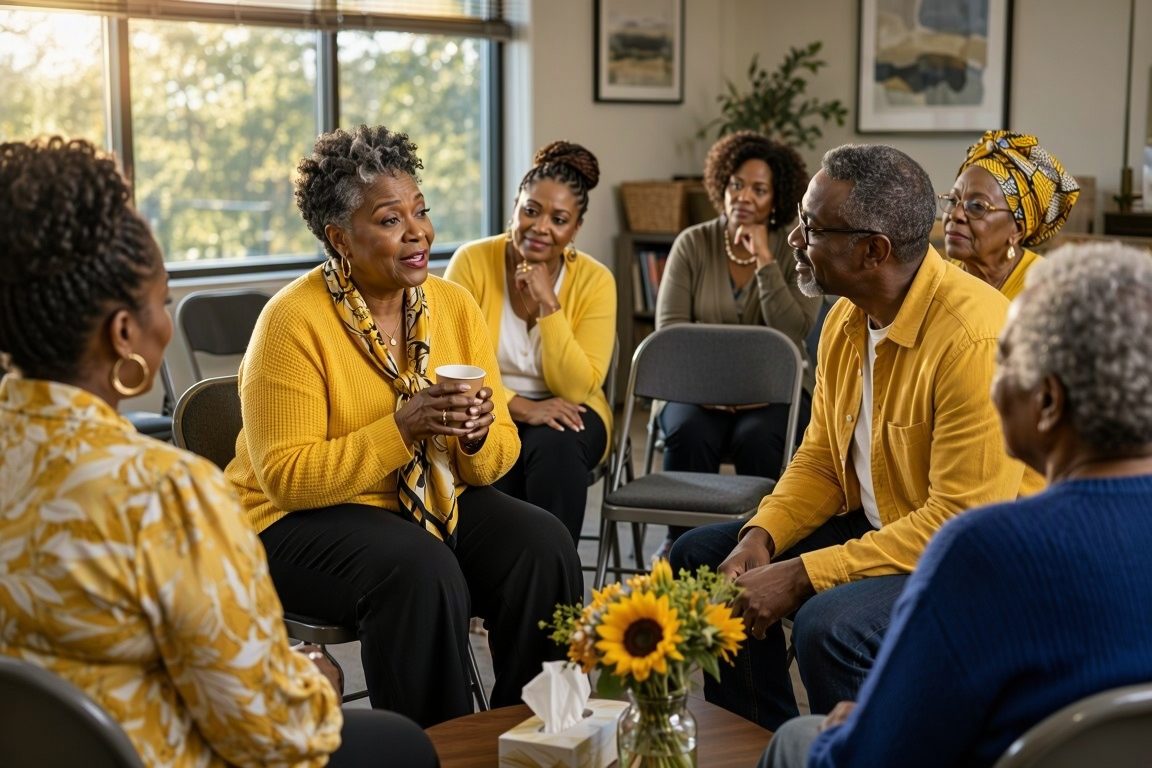
When you join a support group with other African American caregivers, you find people who understand the specific pressures you face: navigating medical systems that may not always listen, balancing faith and care, and managing the grief of watching a loved one change while also fighting for respect. Groups like those offered through the Alzheimer's Association or local faith-based organizations provide a safe space to share real strategies, vent without judgment, and learn from others who have walked this path. As one expert notes, connecting with peers who have similar experiences gives you practical advice and emotional fuel to keep going.
Respite is not a luxury, it is a necessity
Many African American caregivers resist respite care because they worry about strangers caring for their loved one or feel guilty taking time for themselves. But respite is essential for your health and the quality of care you provide. Adult day centers, in-home aides, and even trusted friends can give you a few hours to rest, run errands, or simply breathe. Planning ahead for emergencies, like having a backup caregiver ready, can prevent a crisis from derailing everything. Remember, taking care of yourself is part of taking care of your loved one.
Practical tools
6
Alzheimer's Association Community Resource Finder
A free online tool at communityresourcefinder.org. Enter your zip code to find local support groups, adult day centers, home care agencies, and respite programs. You can filter by type of service and distance. Use it to find culturally specific resources near you.
Eldercare Locator
Call 1-800-677-1116 or visit eldercare.acl.gov. This government service connects you to your local Area Agency on Aging, which can provide a list of support groups, respite care, and other services. Ask specifically about programs for African American caregivers.
Facebook Support Groups for African American Caregivers
Search for 'Dementia With Grace Caregiver Support Group' or 'Christian Dementia Caregiving' on Facebook. These closed groups are free, active, and filled with caregivers who share practical tips, emotional support, and real-time advice. You can post at any hour and get responses quickly.
VA Caregiver Support (if veteran-connected)
If your loved one is a veteran, visit caregiver.va.gov or call the VA Caregiver Support Line at 1-855-260-3274. They offer respite care, counseling, and support groups specifically for caregivers of veterans with dementia. Ask about eligibility for the Program of Comprehensive Assistance for Family Caregivers.
Daily Anchor Ritual Script
Each morning or evening, say aloud: 'I am doing my best. I am allowed to rest. I am not alone.' Take three slow breaths. This simple practice can reduce stress and remind you that you matter too.
Emergency Backup Caregiver Card
Different situations
If you are caring for a spouse vs. a parent
Spousal caregivers often feel a deeper sense of loss and may resist respite because they see it as abandoning their partner. Adult children may struggle with role reversal and guilt. Both benefit from peer groups that match their relationship. Look for groups that specify 'spousal' or 'adult child' caregivers.
If your loved one has Lewy body dementia or frontotemporal dementia
These types often involve more behavioral challenges, like hallucinations or personality changes. Support groups that focus on these specific dementias can offer more targeted strategies. The Alzheimer's Association can help you find such groups. Also, ask your doctor about medications that may help with symptoms.
If you are in a rural area with few local resources
Online support groups become your lifeline. Join a national Facebook group or a virtual support group through the Alzheimer's Association. For respite, consider hiring a home care aide from a nearby town or asking a neighbor to sit with your loved one for a few hours. The Eldercare Locator can still help you find services within a reasonable distance.
If you are a younger caregiver (under 50)
You may feel out of place in groups with older caregivers. Look for groups specifically for younger caregivers or those caring for a parent with early-onset dementia. Online communities can be especially helpful for connecting with peers your age who understand the unique challenges of balancing work, kids, and care.
If your loved one is in a facility
Your role shifts to monitoring care and advocating. Join a support group for families of residents in long-term care. Many facilities have family councils. You can also use respite for yourself, take a day off from visiting. The Alzheimer's Association offers resources on how to communicate with facility staff and ensure quality care.
For the doctor
4
- Ask your doctor about screening for caregiver depression and anxiety. Many African American caregivers underreport symptoms. Be honest about your stress levels.
- Discuss with your loved one's doctor whether any medications might help with challenging behaviors like agitation or sleep problems. Never start or stop medications without medical guidance.
- If you are considering paid family caregiver programs, ask your state's Medicaid office or Area Agency on Aging about eligibility. Rules vary, and a social worker can help you navigate the process.
- Talk to an elder law attorney about power of attorney, healthcare proxy, and advance directives. These legal steps protect your loved one's wishes and reduce future stress.