Step by step
What not to do
- Do not minimize your grief by telling yourself 'they are still here, so I shouldn't feel sad.' This invalidates your experience and can lead to emotional exhaustion.Instead, acknowledge that your grief is real and deserves attention.
- Do not isolate yourself because you think no one understands. Many people do not know what to say when a loved one has dementia, but that does not mean you should suffer alone. Reach out to a support group or a friend who will listen without trying to fix things.
- Do not try to suppress feelings of anger or frustration. These emotions are normal when you are losing your partner. If you push them down, they can turn into resentment or depression.Instead, find a safe way to express them, write in a journal, punch a pillow, or talk to a therapist.
- Do not compare your grief to others who have lost a spouse to sudden death. Your grief is just as valid, even if it happens over a longer period. The 'long goodbye' is a unique and painful journey that deserves recognition.
- Do not neglect your own health and happiness. You are not being selfish by taking care of yourself. Your well-being is just as important as your spouse's, and when you are healthy, you can provide better care. Give yourself permission to rest, eat well, and do things you enjoy.
- Do not avoid talking about death or end-of-life decisions because it is uncomfortable. Your spouse, even with cognitive impairment, may still have emotions and the right to grieve in their own way. Discussing these topics with a professional can help you both navigate the final stages with dignity.
Key points
- Your grief is real and valid, even though your spouse is still alive. This is called anticipatory grief, and it is a normal part of dementia caregiving.
- Guilt is often a mask for grief. When you feel guilty, pause and ask yourself if it is really grief. This reframing can reduce shame.
- You are losing your spouse twice, once to the disease, and once to death. Honor both losses by allowing yourself to mourn.
- Self-care is not selfish. Taking breaks and seeking support helps you be a better caregiver and preserves your own health.
- Create daily anchor rituals that connect you to your love, even if your spouse does not respond. These rituals are for you.
- Join a support group for spousal caregivers. Validation from others who understand can be incredibly healing.
Videos
 How to Cope with Dementia Caregiver GuiltThis video directly addresses the guilt-grief connection and offers practical reframing techniques.
 Coping with Caregiver Guilt: Practical Strategies & SupportProvides actionable strategies for managing guilt, including self-compassion exercises and support group advice.
 Losing Your Spouse Twice: The Truth About Dementia and MarriageExplores the unique grief of spousal caregivers, including the double loss and the invisible grief before death.
 When You Want to Walk Away From Dementia Caregiving (But Can’t)Validates the desire to escape and offers permission to step back, with concrete steps for respite and self-care.
2 more videos
 Anticipatory Grieving When Your Loved One has DementiaExplains anticipatory grief in depth and provides tools for processing it, including journaling and support groups.
 I Made a Promise: Coping with Caregiver Guilt and Finding PeaceFocuses on the promise to care for a spouse and how to find peace when guilt arises, with a compassionate tone.
Background
The Double Loss: Grieving Before the Funeral
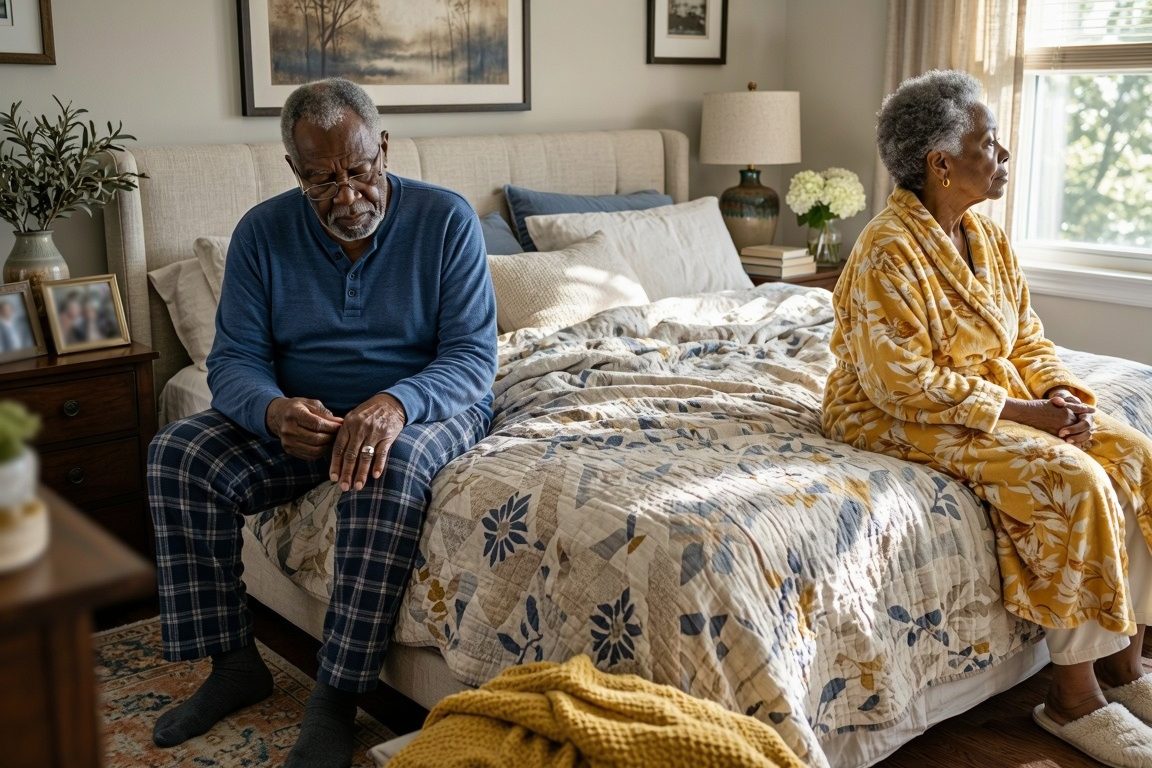
As a spouse, you are experiencing what many describe as losing your loved one twice. The first loss happens when dementia begins to steal the person you married, their memories, their personality, their ability to share a life with you. This grief is ongoing and ambiguous because your partner is still here, but the relationship you once had is slowly vanishing. This is not a single event; it is a series of small losses that accumulate over months and years. The second loss comes when their physical life ends, and the world finally recognizes your grief with sympathy cards and casseroles. But by then, you may have been grieving for a very long time, which can make the mourning process more complicated. It is important to understand that this pre-death grief is real and valid, even if others do not see it.
Why Guilt Masks Grief
Many spouses feel overwhelming guilt, for losing patience, for wishing it were over, for feeling relief when they are away, or even for thinking their loved one is already gone. But if you sit with that feeling, you will often find that what you are calling guilt is actually grief. You are grieving the loss of your partner, your shared routines, your future together. Guilt is a label we put on the pain of watching someone we love disintegrate. When you feel guilty about your reactions, remember that you are human and that your health and happiness matter too. Reframing guilt as grief allows you to be kinder to yourself and to seek support without shame.
The Invisible Grief of a Changing Marriage
Your marriage is being rewritten by dementia. The person who once took care of you, made you feel safe, or shared your deepest secrets may now behave like a child or a stranger. You may feel angry, frustrated, or embarrassed by changes in intimacy, hygiene, or communication. It is normal to miss the routines that connected you, morning coffee together, evening walks, inside jokes. This invisible grief is not recognized by many professionals or friends, which can leave you feeling isolated. But acknowledging these losses is the first step toward healing. Your grief is a sign of your love, and it is okay to mourn the life you thought you would have.
Practical tools
6
The 'No Guilt' Mantra
When guilt arises, say to yourself: 'No guilt. This is grief.' Repeat it as a mantra. You can even write it on a sticky note and place it on your mirror or refrigerator. This simple phrase can help you reframe painful feelings and reduce self-blame.
The Daily Anchor Ritual Checklist
Create a short list of rituals that connect you to your love. Examples: (1) Play 'your song' for 3 minutes. (2) Look at one photo from your wedding or a happy memory. (3) Hold hands and say one thing you appreciate about your spouse. Do this every day, even if your spouse does not respond. This ritual is for you.
The 'Permission to Step Back' Script
When you need a break, use this script to ask for help: 'I need some time for myself. Could you sit with [spouse's name] for an hour? I'll be in the other room/out for a walk. Thank you for understanding.' Practice saying it out loud until it feels natural.
The Grief Journal Prompt
Write in a journal using these prompts: 'Today I am grieving...' 'The thing I miss most about our marriage is...' 'I feel guilty about... but I know it is really grief because...' 'One way I can honor my spouse today is...' This helps you process emotions without judgment.
The 'Legacy Caregiving' Activity
Choose one activity that preserves your spouse's legacy: plant their favorite flowers, cook a meal they loved, or tell a grandchild a story about them. This shifts focus from loss to honoring who they were. As one expert says, 'Legacy caregiving is most valuable for you.'
The Support Group Finder
Different situations
If your spouse has Alzheimer's disease
The progression is often gradual, so you may experience a long period of ambiguous grief. Focus on creating daily anchor rituals that do not rely on verbal communication. Use music, touch, and familiar scents to connect. Join an Alzheimer's-specific support group where others understand the slow decline.
If your spouse has Posterior Cortical Atrophy (PCA)
PCA often affects vision and spatial awareness first, so your spouse may struggle with reading, recognizing faces, or navigating spaces. Your grief may include the loss of shared activities like reading together or driving. Adapt rituals to involve audio (music, audiobooks) or tactile experiences (holding hands, textured objects). Be patient with their frustration and validate their feelings of loss.
In the late stage of dementia
Your spouse may no longer recognize you or respond. Your grief may feel more acute as you wonder if they are 'already gone.' It is normal to feel guilt or shame for wishing it were over. Remind yourself that this is grief, not a lack of love. Focus on providing comfort through gentle touch, soft music, and a calm presence. Seek respite care to prevent burnout.
If your spouse is in a memory care facility
You may feel guilty for not providing care at home. Reframe this: you are ensuring their safety and dignity. Visit regularly but also give yourself permission to step back. If your spouse forms a new attachment (e.g., a 'lady friend'), try to see it as a sign of their capacity for connection, not a betrayal. Honor your relationship by remembering the love you shared.
If you are a younger spouse (under 65)
You may feel especially isolated as your peers are still building their lives. Your grief includes the loss of a future you expected, retirement plans, travel, growing old together. Seek out younger caregiver support groups or online communities. Allow yourself to grieve the life you thought you would have, and consider therapy to process these unique losses.
For the doctor
4
- If you are experiencing persistent depression, anxiety, or thoughts of harming yourself or your spouse, discuss these with a doctor or mental health professional immediately.
- If you are considering medication to manage your own stress or sleep, talk to your clinician about options that are safe for caregivers.
- If your spouse's behavior becomes dangerous (e.g., aggression, wandering), discuss safety plans and medication options with their neurologist or geriatrician.
- If you are unsure about end-of-life decisions (e.g., hospice, feeding tubes, do-not-resuscitate orders), consult with your spouse's doctor and a social worker to understand the options and legal implications.