
Step by step
What not to do
- Don't rely on sleeping pills as first-line treatment; address sleep hygiene first and consult a doctor.
- Don't use phones, tablets, or computers in bed; keep screens out of the bedroom or use blue-light filters 1 hour before bed.
- Don't ignore loud snoring, gasping, morning headaches, or dry mouth, these may indicate sleep apnea; seek a sleep study.
- Don't stay in bed with racing thoughts; get up, journal worries, and return when calm.
Key points
- Most adults need 7-9 hours of sleep per night for optimal brain health; consistency is more important than total hours.
- Sleep helps your brain clear out waste and toxins; poor sleep is linked to higher dementia risk.
- Create a consistent bedtime routine and a cool, dark, quiet bedroom environment.
- Avoid caffeine, alcohol, and large meals close to bedtime; limit naps to 20-30 minutes before 3 p.m.
- If you can't sleep, get out of bed and do something calming until you feel drowsy.
- Talk to your doctor if sleep problems persist, especially if you snore or have other symptoms of sleep apnea.
Videos
 Simple Tips To Lower Dementia RiskThis video offers practical, everyday strategies to reduce dementia risk, including the role of sleep and exercise, which directly relates to improving your own sleep for brain health.
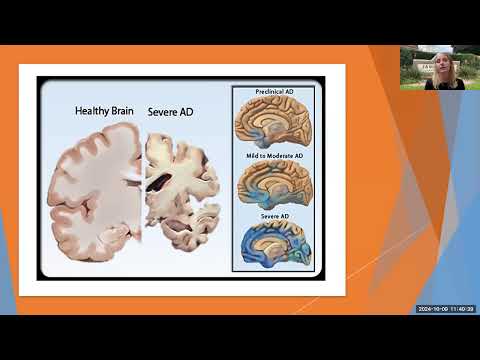 Coping with Sundowning & Sleep Issues as a Dementia CaregiverThis video specifically addresses sleep challenges faced by caregivers and their loved ones with dementia, providing strategies for managing nighttime restlessness and protecting your own sleep.
 Depression and Dementia in Older AdultsDepression can cause both insomnia and oversleeping, and it's common in caregivers and older adults. This video helps you recognize the signs and understand how mood affects sleep.
 Courageous Conversation with Marc Milstein PhD, Author and Inspirational Speaker!This conversation covers the science of brain health, including how sleep, diet, and lifestyle choices impact cognitive function and dementia risk.
2 more videos
 How Can I Improve My Brain Health?This video provides a broad overview of brain health strategies, with sleep as a central pillar, offering actionable tips you can start using today.
 How Can Mixed Dementia Patients Show Surprising Resilience? - Dementia Help HubThis video explores factors that support resilience in dementia, including good sleep and health management, reinforcing why prioritizing your own sleep is so important.
Background
Why Sleep Matters for Your Brain
Sleep isn't just rest; it's when your brain does essential housekeeping. During deep sleep, your brain actually shrinks slightly to squeeze out waste and toxins that build up during the day, including byproducts of normal brain activity. This cleaning process is crucial for brain health and may help reduce the risk of dementia. Without enough quality sleep, your brain doesn't get this chance to reset, which can lead to fatigue, irritability, trouble focusing, and poor decision-making. Over time, chronic poor sleep can even weaken your immune system and make it harder to fight off illness.
How Much Sleep Do You Really Need?
Most adults need between seven and nine hours of sleep per night for optimal brain health. However, as we age, our sleep patterns naturally change, and it becomes more common to experience lighter sleep or wake up more often during the night. This doesn't mean you need less sleep overall; it means you may need to be more intentional about creating conditions that support deep, restorative rest. If you're consistently getting less than seven hours, or if you wake up feeling unrefreshed, your brain may not be getting the full benefit of the sleep cycle, which includes both REM (dreaming) and non-REM (deep sleep) stages.
What Happens When You Don't Sleep Enough?
Sleep deprivation affects your brain in several ways. It can make you crave sugary, salty, and fatty foods because it alters the hormones that control hunger and fullness. You may find yourself eating more and feeling less satisfied. Lack of sleep also impairs your ability to fight off infections, with some studies showing that even losing half a night's sleep can cut your immune function in half. For caregivers, poor sleep can make it harder to manage stress, stay patient, and think clearly during the day. It's a vicious cycle: you're tired, so you don't exercise or eat well, which makes it harder to sleep the next night.
Practical tools
3
The 10-3-2-1 Rule
A countdown: 10 hours before bed, no caffeine. 3 hours , no heavy meals or alcohol. 2 hours , no stressful activity. 1 hour , no screens.
White Noise Machine or App
Masks disruptive sounds; place near bed but not directly at head; steady sound promotes calm sleep.
Sleep Diary Template
Notebook or printable template; each morning record bedtime, wake time, time to fall asleep, nighttime awakenings, caffeine/alcohol, and morning energy level (1–10).
Different situations
For caregivers of someone with Lewy body dementia or Parkinson's disease dementia
Sleep disturbances are often more severe in these conditions due to REM sleep behavior disorder, where the person acts out dreams physically. If you notice your loved one kicking, punching, or yelling during sleep, discuss this with their doctor immediately, as it can be dangerous. You may need to create a safer sleep environment, such as removing sharp objects or placing a mattress on the floor. Melatonin or specific medications may help, but only under medical guidance.
For caregivers in the late stages of dementia
In late stages, the person's sleep-wake cycle may be completely reversed, with them sleeping during the day and being awake at night. Your priority shifts to your own sleep and safety. Consider hiring overnight respite care or asking a family member to take over night shifts a few nights a week. Use blackout curtains during the day to encourage daytime wakefulness, and keep the bedroom very dark at night. Your sleep is essential for your ability to provide care.
For adult children caring for a parent vs. a spouse caregiver
Adult children often have additional responsibilities like their own jobs and children. You may need to be more strategic about sleep: consider using a white noise machine in your own room, and if you share a home with your parent, set up a separate sleeping area if possible. Spouse caregivers may feel guilty about prioritizing their own sleep. Remind yourself that your health is critical to your partner's well-being. If you're sleeping in separate beds, that's okay, it can actually improve both of your sleep quality.
For caregivers whose loved one is in a facility
You may still be responsible for overnight decisions or feel anxious about their care. Focus on your own sleep hygiene at home. If you're worried about late-night calls, set your phone to 'Do Not Disturb' except for the facility's number. Consider using a relaxation app or a weighted blanket to help you settle. Your loved one's care team can handle most nighttime issues, so give yourself permission to rest.
For caregivers on a tight budget or using Medicaid
Many sleep tools are low-cost or free. Use a free white noise app instead of buying a machine. Borrow books from the library instead of buying new ones. Use a rolled-up towel to block light under the door instead of buying blackout curtains. Focus on behavioral changes like the 10-3-2-1 rule, which costs nothing. If you suspect sleep apnea, Medicaid often covers sleep studies and CPAP machines, ask your doctor for a referral.
For the doctor
6
- If you consistently have trouble falling or staying asleep for more than three weeks, ask your doctor about a referral to a sleep specialist or a cognitive behavioral therapy for insomnia (CBT-I) program. CBT-I is a structured, non-medication approach that is highly effective.
- If you snore loudly, gasp for air during sleep, or wake up with a headache or dry mouth, ask about a sleep study for obstructive sleep apnea. Untreated sleep apnea can increase your risk for dementia and heart problems.
- If you are considering melatonin or any over-the-counter sleep aid, discuss it with your doctor first. These products are not regulated by the FDA, and they can interact with other medications or have side effects, especially in older adults.
- If you are experiencing night sweats, hot flashes, or other hormonal symptoms that disrupt sleep, ask your doctor about hormone replacement therapy (HRT) or other treatments. Hormonal changes can significantly impact sleep quality.
- If you are taking multiple medications, ask your doctor or pharmacist to review them for any that might interfere with sleep. Some medications for blood pressure, asthma, or depression can cause insomnia or daytime drowsiness.
- If you or your loved one has REM sleep behavior disorder (acting out dreams), discuss this with a neurologist. It can be a sign of underlying neurological conditions and may require specific treatment to prevent injury.