
Step by step
What not to do
- Do not quit your job without a financial plan; explore reduced hours or leave first.
- Do not decide out of guilt, take on care only if sustainable, not from obligation.
- Do not ignore your own health symptoms (lost sleep, skipped meals, anxiety); see your doctor.
- Do not wait for a crisis to discuss care; start early when you both can explore options calmly.
- Do not neglect spouse, children, or friends, protect time for these relationships.
Key points
- Choosing not to be a full-time caregiver is not a failure; it is a sustainable way to care for both your parent and yourself.
- Full-time caregiving often costs you far more than you realize: lost income, lost retirement, lost career, and lost health.
- There are many middle-ground options: hired caregivers, adult day programs, respite care, and assisted living.
- Set clear boundaries early and communicate them lovingly to your parent and family.
- Involve other family members and community resources; you do not have to do this alone.
- Reassess your care plan every few months, because needs and capacities change.
Videos
 SHOULD YOU SACRIFICE YOUR LIFE TO CARE FOR AGING PARENTS? Balancing care and your own lifeThis video directly addresses the central dilemma of sacrificing your own life for caregiving, offering compassionate guidance on finding balance and setting boundaries.
 In Home Dementia Care Costs | What Does It Cost to Care for An Elderly Parent with Dementia at Home?Provides a realistic look at the financial costs of home care, which is essential for comparing the tradeoff of quitting your job vs. hiring help.
 Caregiver SacrificesExplores the many sacrifices caregivers make, including time, career, and health, helping you weigh whether the sacrifice is worth it in your situation.
 Being a Working Caregiver in the Sandwich GenerationTailored for adult children who are also raising their own kids, offering strategies for balancing work, parenting, and elder care.
2 more videos
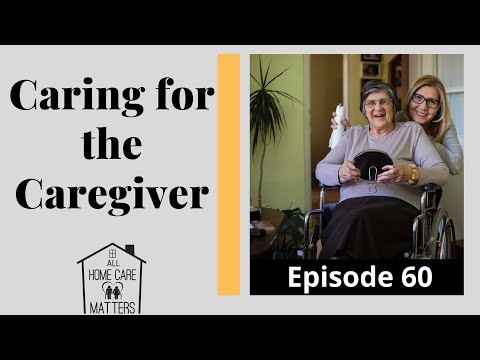 Caring for the CaregiverFocuses on the importance of self-care for caregivers, with practical tips to prevent burnout and maintain your own well-being.
 Caregiving: How to Deal With Strained Caregiver Relationships Between Siblings and Elderly ParentsHelps navigate the family dynamics that often complicate decisions about who provides care, offering tools for sibling communication and shared responsibility.
Background
The Hidden Costs of Full-Time Caregiving
Many adult children feel a deep sense of duty and love that pulls them toward becoming a full-time caregiver. But the reality is that this path often comes with steep, long-term sacrifices that are easy to underestimate. When you leave the workforce to provide care, you are not just losing a paycheck today. You are also giving up future earnings, retirement savings, Social Security contributions, and the ability to re-enter your career later. Some caregivers find themselves years down the road with no job skills, no savings, and no way to pay for their own future care. This is especially true when caring for someone with Alzheimer's or dementia, where the caregiving journey can stretch 5, 10, 15, or even 25 years, not the short period many expect.
The Emotional and Physical Toll on You
Beyond finances, full-time caregiving exacts a heavy physical, mental, and emotional price. Studies show that two out of three caregivers experience high emotional stress, nearly half report physical strain, and about one in four feel isolated and alone. You may find yourself giving up activities that once brought you joy, straining relationships with your spouse, children, and friends, and feeling like there is little left to live for beyond the care role. When stress becomes overwhelming, it can rob you of the ability to appreciate the precious time you do have with your loved one. Recognizing this early is crucial: if you are so stressed that you cannot enjoy the relationship, the sacrifice may not be worth it.
It Is Okay to Say No to Full-Time Care
One of the most important truths to hold onto is that you are allowed to say no. If you do not want to be a caregiver, or if you simply cannot do it because of your own health, job, or family obligations, that is a valid choice. Forcing someone into a caregiving role who does not want it is a recipe for disaster and can even lead to elder abuse. There are always other solutions. You can hire professional caregivers, tap into community resources, consider assisted living, or coordinate with other family members. The key is to have honest, compassionate conversations with your parent about what they need and what you can realistically provide. Saying 'I love you, and I want to be there for you, but I cannot do this full-time' is not a betrayal; it is an act of sustainable love.
Practical tools
4
What I Can Offer Script
Write: 'Mom/Dad, I can help with [specific tasks] on [specific days]. For the rest, let's find other help like a home health aide or senior center program.'
Caregiver Capacity Checklist
Items: 'I get 7+ hours of sleep most nights,' 'I can afford to lose income for 6 months,' 'I have a backup person if I get sick,' 'I discussed flexible hours with my employer.' If 'no' to more than two, full-time care is likely unsustainable.
Respite Care Locator
Call Area Agency on Aging for short-term respite stays at assisted living facilities (sliding-scale) or adult day programs ($40–$80/day). Veterans may qualify for VA benefits.
Family Meeting Agenda
Template:
Different situations
For adult children caring for a parent with Alzheimer's or dementia
The caregiving journey is typically much longer than expected (5–25 years). The financial and career sacrifices are especially severe because the care needs escalate over time. Prioritize getting legal documents (power of attorney, healthcare proxy) in place early, while your parent can still participate in decisions. Also, plan for eventual placement in a memory care facility, as home care often becomes unsafe in later stages.
For adult children who live far from their parent
Full-time caregiving is usually not feasible if you live in another state. Instead, focus on becoming the 'care coordinator' from a distance: hire a local geriatric care manager, set up video check-ins, and handle financial or insurance tasks remotely. Visit for short, intensive stays (e.g., one week every two months) to give the local caregiver a break. Do not feel guilty about not being there daily.
For adult children with young children of their own (the 'sandwich generation')
Your capacity is even more limited because you are already caring for dependents. Full-time caregiving for a parent on top of raising children is almost never sustainable without significant paid help or a partner who takes on most of the childcare. Be very honest with yourself: you cannot be everything to everyone. Prioritize your children's needs and your own health, and explore assisted living or adult day programs for your parent.
For adult children whose parent is in an assisted living facility
Full-time caregiving is not necessary because the facility provides daily care. Your role shifts to being a loving visitor, advocate, and monitor. Focus on quality time during visits, attending care plan meetings, and ensuring your parent's rights are respected. Do not feel pressured to move them home out of guilt; the facility is often the safest and most sustainable option.
For adult children with limited financial resources
If you cannot afford paid home care, explore Medicaid waivers for in-home services, adult day programs with sliding-scale fees, and volunteer programs like senior companions. You may also consider moving your parent to a state with better Medicaid coverage for long-term care. Do not bankrupt yourself trying to provide care; your own financial future matters too.
For the doctor
4
- Ask your parent's doctor: 'Given my parent's specific diagnosis and stage, what is the realistic timeline for needing full-time care? Are there any medical interventions or therapies that could slow decline and reduce care needs?'
- Ask your own doctor: 'I am considering becoming a full-time caregiver. Given my current health (e.g., blood pressure, mental health, chronic conditions), what are the risks to me? How often should I be monitoring my own health?'
- Ask a geriatric care manager or social worker: 'What are the legal and financial implications of me quitting my job to provide care? Are there any state or federal programs that could pay me as a caregiver (e.g., Medicaid self-directed care)?'
- Ask your parent's neurologist or primary care doctor: 'What are the signs that home care is no longer safe for my parent? At what point should we consider assisted living or memory care?'