
Step by step
What not to do
- Do not argue, correct, or use logic with delusions. Validate feelings instead and redirect: 'I hear you’re worried. Let’s look at this photo.'
- Do not take behaviors personally. Remind yourself: 'This is the disease, not them.' This fosters compassion over resentment.
- Do not ignore your own emotions. Acknowledge them in a journal or support group, suppressing grief leads to burnout.
- Do not expect the person to adapt to your reality. Adapt to theirs; this reduces stress for both of you.
Key points
- You have control over your thoughts, not the person's behavior. Changing your thought changes the situation.
- Use 'both/and' thinking to hold two truths at once and reduce stress.
- Stop trying to fix or correct; instead, support and enter their world.
- Track one positive contribution you made each day to build resilience.
- In an adult day program, share successes with colleagues to build a positive team culture.
- Personalize your approach based on the stage of dementia and the setting.
Videos
 How To Decrease Your Stress As A Dementia Caregiver Through Dementia CoachingThis video directly addresses the caregiver's stress and offers coaching techniques to reframe your mindset, which is the core of this article.
 An Introduction to: Creative Solutions to Challenging Situations WorkbookThis video introduces the workbook approach mentioned in the article, showing how to use it in a support group or day program setting.
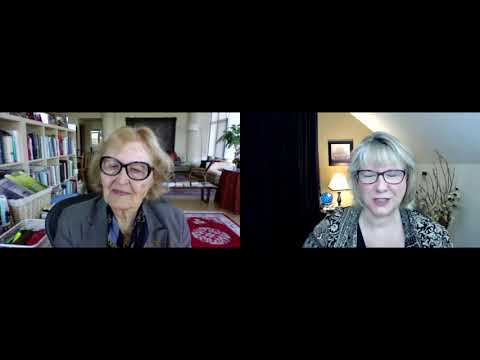 Ambiguous Loss in a Time of Pandemic with Pauline BossPauline Boss explains 'both/and' thinking and ambiguous loss, which is the foundation of the reframing technique described here.
 Caregiver stress related to dementia (Subtitles in Spanish)This video covers caregiver stress and offers practical coping strategies, including reframing, with Spanish subtitles for broader access.
2 more videos
 Dementia Care Partner Talk Show - Episode 24: How is the PAC Method DifferentTeepa Snow discusses the Positive Approach to Care, which emphasizes entering the person's world and using creative solutions, directly relevant to this article.
 Ambiguous Loss in a Time of Pandemic on Alzheimer’s Speaks RadioThis interview further explores ambiguous loss and 'both/and' thinking, reinforcing the reframing strategies in the article.
Background
Why Your Thoughts Shape the Situation
When you see the person with dementia as deliberately difficult or frustrating, your emotions and reactions naturally become defensive or resentful. This thought pattern actually makes the situation worse because it negatively impacts your loved one, who may sense your frustration and become more agitated or withdrawn. As one expert notes, 'as long as that's what you're thinking, you're never going to find the solution' (source 11). You have 100% control over your own thoughts, not over the person's behavior or the disease. Changing your thought is the first step to changing the entire dynamic.
The Power of 'Both/And' Thinking
Instead of thinking in absolutes, 'he is either here or gone,' 'she is either present or absent', try 'both/and' thinking. For example, 'He is both here and sometimes gone' or 'I am both a good caregiver and sometimes I could do better.' This approach, described by researcher Pauline Boss, lowers your stress and helps you stay resilient (source 3). It allows you to hold two truths at once: the person is still the same person you love, even as the disease changes them. This shift reduces the pressure to 'fix' everything and opens space for creative solutions.
From Fixing to Supporting
Many new caregivers fall into the trap of trying to correct or fix the person with dementia, pointing out when they're wrong, reminding them of facts, or arguing about what's real. However, correcting often makes the situation worse because the person's brain can no longer process that information. Your job is not to fix the problem but to stand alongside them and guide them through the experience as best you can (source 12). This means entering their world instead of expecting them to enter yours. For example, if they think a red gown has blood on it, don't argue, validate their feeling and redirect.
Practical tools
5
Both/And Phrase Card
Write three 'both/and' statements (e.g., 'She is both present and sometimes absent') on a card. Read it aloud when stuck.
One-Positive Journal
Each evening write: 'What did I do today that made a situation better?' Shifts focus to solutions and builds resilience.
Validation & Redirection Script
Use: 'I see you’re feeling [emotion]. Let’s [activity] together.' Then join their reality without correcting. Example: 'I see you’re worried. Let’s look at this clock and have a snack.'
Workbook Chapter Guide
For each challenge (bathing, eating, wandering), list:
Use alone or in a group.
Calm-Down Kit
Prepare a bag with soothing items (photo, soft blanket, favorite song, scented lotion). When agitation rises, offer it silently, just hand or place nearby.
Different situations
Early-stage dementia (mild cognitive changes)
In early stages, the person can still participate in the reframing process. Use the workbook together: ask them, 'What do you think might help when you feel frustrated?' This preserves their dignity and involves them in solutions. Avoid talking about them as if they're not there.
Moderate-stage dementia (more confusion, less verbal ability)
Focus less on verbal reframing and more on nonverbal cues. Use a calm tone, gentle touch, and simple activities. The workbook becomes a tool for you alone, track what works and what doesn't. Enter their world more fully; for example, if they think they're in a different decade, join that reality.
Adult day program setting (professional caregiver)
In a group setting, use the workbook with other staff or in a support group for families. Share one positive moment per shift with colleagues. Adapt the 'enter their world' approach to group activities: if one person is agitated, offer a calming activity in a quiet corner. Coordinate with family caregivers so strategies are consistent.
Family caregiver (spouse or adult child)
You may feel more emotional because of your history with the person. Acknowledge grief and joy together. Use the 'both/and' thinking to hold love and frustration at the same time. Join a support group to share workbook insights and get peer feedback. Remember: you are not alone.
Lewy body dementia or Parkinson's disease dementia
These types often involve visual hallucinations or delusions. Do not argue about what they see. Instead, validate the feeling: 'That must be scary. I'm here with you.' Use the 'both/and' approach: 'You are both seeing something and safe.' Adjust the environment to reduce triggers (e.g., dim lights if shadows cause fear).
For the doctor
3
- If the person's behaviors become dangerous (e.g., hitting, throwing objects), discuss with a doctor whether medication or a referral to a specialist is appropriate.
- If you experience persistent caregiver burnout or depression, talk to your healthcare provider about counseling, support groups, or respite care options.
- If the person has sudden changes in behavior (e.g., new aggression, hallucinations), rule out medical causes like infection or pain, discuss with a clinician immediately.