Step by step
What not to do
- Don't assume all trials are the same, each has different rules, risks, and visit schedules; read the consent form and ask questions first.
- Don't try unproven treatments outside a registered trial; experts warn this can be dangerous.
- Don't hide side effects from the research team; honest reporting helps adjust care and protects future participants.
- Don't forget to ask about data privacy: how your information is stored, who has access, and what happens after the study ends.
Key points
- Decentralized clinical trials let you participate from home, reducing travel stress.
- Use tools like TrialMatch and ClinicalTrials.gov to find remote studies.
- Always ask the research team about travel, costs, and virtual visit options.
- Keep a symptom journal and stay in touch with the study coordinator.
- Talk to your doctor before joining to ensure safety and compatibility.
- Don’t try unproven treatments outside of a registered trial.
Videos
 Wes Michael Founder & President of Rare Patient VoiceThis video discusses the importance of decentralized trials for rare diseases, including dementia, and how they make research more accessible.
 Cannabis Gets the Green Light for Dementia Patients | Brain Talks | Being PatientThis video covers a specific decentralized trial for cannabis in dementia, showing how remote participation works in practice.
 Posterior Cortical Atrophy Lecture Series with Harvard neurologist BRAD DICKERSON, MDThis lecture explains how PCA research often requires in-person visits, but also highlights emerging decentralized options for some studies.
 PCA LECTURE SERIESThis series discusses challenges in recruiting for PCA trials and the need for more remote-friendly approaches.
2 more videos
 Frontotemporal Dementia (FTD): Free Helpline, Support Groups, Grants & Trials | Dr Shana DodgeThis video provides resources for FTD, including how to find trials that may offer remote participation.
 Join Us for Problem Solving with PACThis video offers practical problem-solving strategies for caregivers, including how to manage trial participation at home.
Background
What Are Decentralized Clinical Trials and Why Do They Matter?
Traditional clinical trials often require participants to travel to a specific hospital or clinic, sometimes every month, for tests and treatments. This can be a huge barrier for people with dementia or their caregivers, who may live far from research centers or find travel overwhelming. Decentralized clinical trials flip this model by bringing much of the research to you. Instead of always going to a central location, you might do parts of the study from home, like virtual visits, remote monitoring, or having a nurse come to you. This makes research more inclusive, especially for rare diseases or conditions like dementia, where finding enough participants is hard. As one expert noted, decentralized trials open up opportunities for more people, which speeds up drug development and gets treatments to those who need them sooner.
How Decentralized Trials Work for Dementia Research
In a decentralized trial, the research team may use phone or video calls for check-ins, send you supplies by mail, or arrange for a local lab to draw blood. For dementia studies, this can include cognitive tests done over a secure video platform or questionnaires filled out online. Some trials still require occasional in-person visits for specific procedures, like brain scans, but the goal is to minimize travel. This approach also helps include a more diverse group of participants, reflecting the real-world mix of people living with dementia, who often have other health conditions like anxiety or depression. As one source highlighted, traditional trials often seek 'pure cases' with only one condition, but decentralized trials can better represent the complexity of real life.
What to Expect When Joining a Decentralized Trial
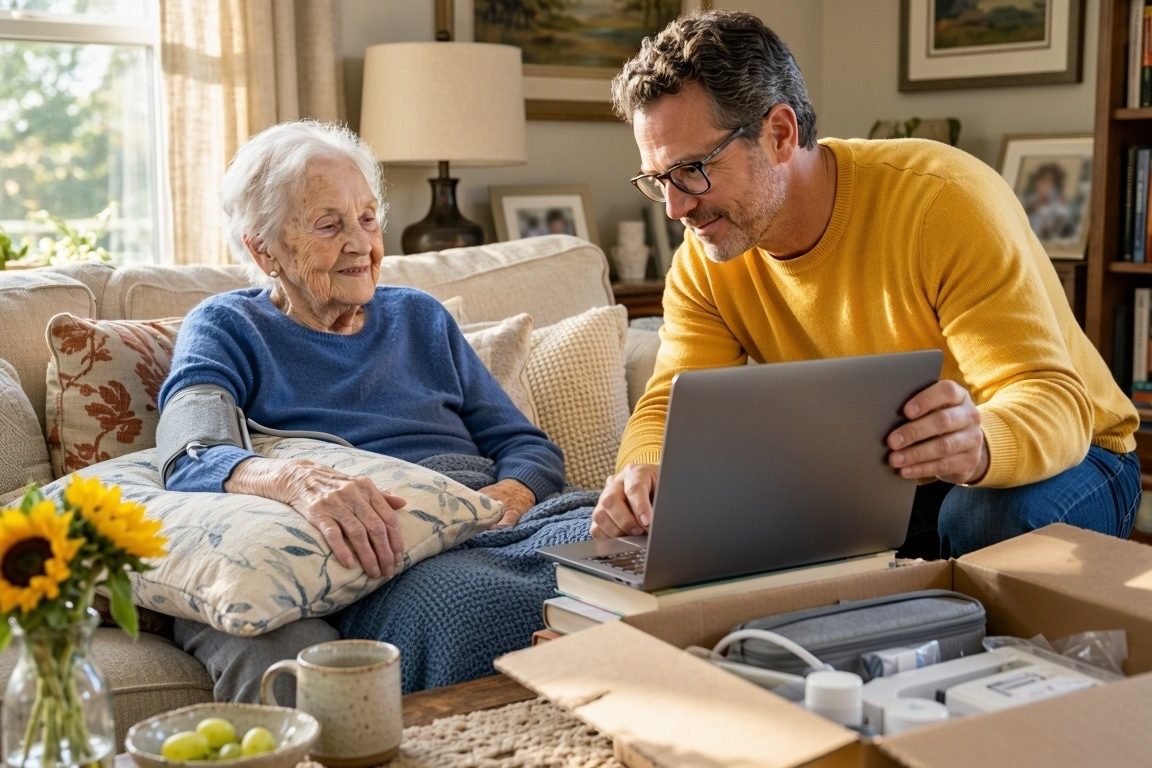
When you sign up, you’ll first go through an informed consent process, which can be done remotely via video or phone. The research team will explain the study’s purpose, risks, benefits, and what’s expected of you. They’ll also review your medical records to see if you’re a good fit. After that, you might receive a kit with instructions and equipment, like a tablet for video calls or a device to track your vitals. Throughout the trial, you’ll have a contact person, often a study coordinator, who can answer questions and help with any issues. It’s important to know that even in decentralized trials, you can withdraw at any time without penalty. The key is to stay in regular communication with the team, especially if your or your loved one’s condition changes.
Practical tools
4
ClinicalTrials.gov Search Strategy
Use this government database with keywords like 'dementia', 'remote', 'virtual', or 'decentralized', and look for studies mentioning 'home-based' or 'telemedicine'. Set alerts for new trials.
Sample Questions for Research Teams
Write down:
Keep a copy handy when calling.
Home Visit Prep Checklist
Symptom Tracking Journal
Use a notebook or app to log daily changes in mood, memory, sleep, or side effects; share this with the research team to help them see patterns.
Different situations
For early-stage Alzheimer’s or mild cognitive impairment (MCI)
The patient can often handle virtual visits independently with some prompting. Focus on trials that use cognitive tests you can do at home, like memory games or questionnaires. The caregiver’s role is to remind about appointments and help with technology.
For Lewy body dementia or Parkinson’s dementia
These conditions may cause fluctuating cognition or movement issues. Look for trials that allow flexible scheduling for virtual visits. Ask if the study can accommodate visual or motor difficulties, like using voice commands instead of typing. The caregiver should be present during all interactions to help with communication.
For frontotemporal dementia (FTD)
FTD often affects behavior and language more than memory. Some trials focus on genetic forms of FTD, which may require a blood test to confirm eligibility. If the patient has trouble speaking, ask if the trial accepts caregiver-reported outcomes. The caregiver may need to be the primary contact for the study team.
For a spouse caregiver vs. adult child caregiver
Spouse caregivers often live with the patient and can manage daily logistics, but may feel isolated. Adult children may live far away and need to coordinate with local support. Both should ask about virtual caregiver training sessions. The adult child might also attend appointments remotely by phone or video, as one expert noted.
For patients in a facility or with Medicaid
If the patient lives in a nursing home or assisted living, check if the facility allows research participation. Some trials may require a family member’s consent. For those on Medicaid, ask if the trial covers any costs not paid by insurance. The research team can often help with paperwork.
For the doctor
5
- Ask your doctor if the trial’s treatments might interact with current medications, especially for conditions like high blood pressure or diabetes.
- Discuss whether the patient’s other health issues (like heart disease or kidney problems) could affect trial eligibility or safety.
- Clarify if the trial requires stopping any current medications, and whether that’s safe for the patient.
- Ask about potential side effects specific to dementia medications, like confusion or falls, and how to manage them at home.
- Confirm that the trial’s remote consent process meets legal and ethical standards for your state, especially if the patient has cognitive decline.