
Step by step
What not to do
- Do NOT argue, reason, or try to correct them: Their reasoning brain is offline during an episode.
- Do NOT raise your voice, sound alarmed, or tense up: Your tone and body language speak louder than your words.
- Do NOT touch, crowd, corner, or restrain them: Any of these can trigger a fight-or-flight response.
- Do NOT take the behavior personally: This is the disease speaking, not your loved one.
- Do NOT use complex sentences or rapid-fire questions: Stick to one short idea at a time, with plenty of pause.
- Do NOT ignore safety, yours or theirs: If you feel unsafe, leave the room. Call for help if aggression escalates.
Key points
- Agitation is a form of communication, not 'bad behavior.' Always look for the underlying need (pain, hunger, fear, overstimulation).
- Non-pharmacological approaches are the safest and most effective first-line treatment. They reduce episodes without the serious side effects of medications.
- Stay calm yourself. Your anxiety can escalate the situation. Use a soft voice, gentle body language, and give the person space.
- Distraction and redirection are powerful tools. Never argue or use logic. Instead, offer a new, positive activity or focus.
- Create a calm environment: reduce noise, clutter, and bright lights. Establish predictable routines to prevent triggers.
- Safety first. If the person becomes aggressive, leave the situation. Remove weapons and sharp objects from the home. Seek help if needed.
Videos
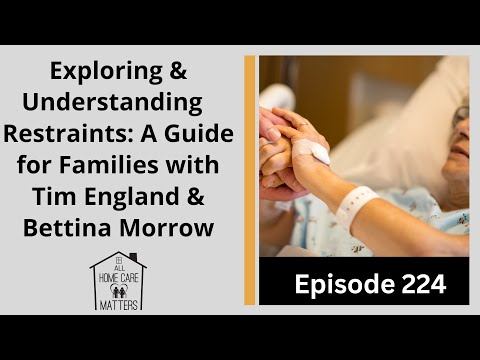 Exploring and Understanding Restraints: A Guide for Families with Tim England and Bettina MorrowThis video helps families understand why restraints (physical or chemical) are not the answer and offers compassionate alternatives, directly supporting the non-pharmacological approach.
 Management of Agitation in DementiaProvides a clinical yet accessible overview of how to manage agitation, including practical de-escalation techniques that align with the steps in this guide.
 Agitation and Alzheimer's: Strategies for Managing Behavioral and Psychological Symptoms of DementiaOffers specific strategies for handling agitation, with real-world examples that caregivers can immediately apply.
 Aggressive Behavior in People with Dementia | Linda Ercoli, PhD | UCLAMDChatDr. Ercoli explains the reasons behind aggressive behavior and provides clear, non-pharmacological strategies for de-escalation, including the importance of not confronting the person.
2 more videos
 Why does Dementia Sometimes Cause Hallucinations, Delusions, and Paranoia w/ Lucy BarylakHelps caregivers understand the link between psychosis and agitation, and offers non-drug approaches to handle these distressing symptoms.
 Caregiver Strategies How to Deal with Dementia Care Challenges Sundowning, Anxiety, and RestlessnessFocuses on common triggers like sundowning and restlessness, providing practical tips that complement the de-escalation steps in this guide.
Background
What Is Agitation and Why Does It Happen?
Agitation in Alzheimer's is not 'bad behavior' but a form of communication. When the brain's inhibitory mechanisms are damaged by the disease, the person loses the ability to suppress urges and reactions that most of us can control. This means that a trigger that would barely register for a healthy brain can cause a full-blown outburst in someone with dementia. Common triggers include pain, hunger, thirst, a need to use the bathroom, overstimulation from noise or clutter, or feeling rushed or confused. The person is not trying to be difficult; their brain is reacting to a perceived threat or discomfort in the only way it can.
The 'Primitive Brain' and the Fight-or-Flight Response
When agitation escalates, the person's brain shifts into a primitive 'fight or flight' mode. The thinking, reasoning part of the brain (the prefrontal cortex) is no longer in charge. This is why logic, arguing, or reasoning will never work during an episode. Instead, the person is operating from a place of fear and survival. They may lash out, yell, or try to escape because they feel trapped or threatened. Understanding this helps you see that your role is not to correct or convince, but to create safety and calm. Your own anxiety can actually make things worse, so your first job is to manage your own reaction.
Why Non-Pharmacological Approaches Are the First Line
Research consistently shows that non-drug interventions are the safest and most effective first-line treatment for agitation in dementia. Medications, especially antipsychotics, carry significant risks, including increased confusion, falls, stroke, and even death, and they often work by sedating the person rather than addressing the underlying cause. Non-pharmacological approaches, on the other hand, can reduce the frequency and severity of episodes without these side effects. They also improve the quality of life for both the person with dementia and the caregiver. This doesn't mean medication is never needed, but it should be a last resort, not a first response.
Practical tools
7
The 'Check the Basics' Checklist
A mental or written list to run through when agitation starts:
Calming Phrases to Say
Keep go-to phrases ready: 'I'm here with you,' 'You're safe,' 'Let's take a breath together,' 'Would you like to sit with me for a moment?'
The 'Distraction Menu'
List 5-10 activities your loved one enjoys that are easy to start in the moment, looking at a photo album, listening to a favorite song, folding towels, sorting coins, watching a bird feeder.
The 'Quiet Corner' Setup
Designate a calm, clutter-free spot with
Refer to it as 'our quiet spot.'
The 'Sensory Kit'
A small bag with calming items:
The 'Time-Out' Strategy for the Caregiver
If frustration or fear rises, say 'I need a moment. I'll be right back.'
The 'Comfort Profile'
A one-page summary of what soothes this person:
Share with other caregivers.
Different situations
Early Stage (mild cognitive decline)
In early stages, the person may still be able to articulate what is bothering them. You can use more verbal cues and ask open-ended questions like 'What's making you feel upset?' They may also respond well to more complex distractions like a board game or a conversation about a past event. Be careful not to infantilize them; treat them as a partner in problem-solving.
Middle Stage (moderate decline)
At this stage, communication is more impaired. Focus on non-verbal cues and simple choices. Distractions should be very concrete and hands-on, like folding laundry or sorting objects. The person may need more physical reassurance (if they are open to touch) and a very predictable routine. Avoid any surprises or changes in the environment.
Late Stage (severe decline)
In late stage, the person may be non-verbal and bed-bound. Agitation often stems from physical discomfort (pain, constipation, hunger). Use gentle touch, soft music, and a calm voice. Check for pain regularly. Aromatherapy and hand massage can be very effective. The goal is comfort, not engagement.
In a Hospital or Nursing Home Setting
In a facility, you may have less control over the environment. Advocate for your loved one by asking staff to reduce noise, turn off the TV, and provide a private room if possible. Bring familiar items from home (a blanket, a photo). Educate staff on what works for your loved one. Be present during high-stress times like bathing or medication rounds to help de-escalate.
For Spouse vs. Adult Child Caregiver
Spouses may have a deeper emotional history and may find it harder to detach from the behavior. It's important for spouses to take breaks and not take things personally. Adult children may need to navigate role reversal and may feel guilt. Both should remember that the behavior is a symptom, not a personal attack. Support groups can be invaluable for both.
For the doctor
4
- If non-pharmacological approaches have been tried consistently for several weeks and agitation is still severe or dangerous (e.g., the person is harming themselves or others), ask the doctor about medication options. Discuss the risks and benefits of antipsychotics, especially the black box warning about increased risk of death in elderly patients with dementia.
- If the person has sudden, severe agitation that is new or different from their usual pattern, this could be a sign of delirium (often caused by infection, medication side effects, or metabolic issues). Seek immediate medical evaluation.
- If the person is on multiple medications, ask the doctor or pharmacist to review them for potential side effects that could be causing or worsening agitation. Some medications, like anticholinergics, can increase confusion and agitation.
- If the person has a history of psychosis (hallucinations or delusions) that is causing significant distress or danger, discuss whether a low-dose antipsychotic might be appropriate after non-drug options have failed. This decision should be made with a specialist, such as a geriatric psychiatrist.