Step by step
What not to do
- Don't assume memory loss is always dementia, it can be caused by depression, vitamin deficiency, thyroid issues, or medication interactions; push for a complete evaluation.
- Don't stop dementia medications without consulting the doctor, they can buy months or years of better function even if effects aren't obvious day-to-day.
- Don't mistake a good day for a misdiagnosis; enjoy clear moments but don't let them derail planning or care strategies.
- Don't give up hope after a diagnosis, medications, therapy, and lifestyle changes can improve quality of life; focusing only on what's lost leads to missed opportunities.
- Don't argue or try to reason with your loved one when they are confused; instead validate their feelings and redirect them to a different activity.
Key points
- There is no cure for most progressive dementias, but some medications can temporarily improve symptoms and slow decline.
- Dementia is an umbrella term for many different diseases, getting a specific diagnosis matters for treatment and planning.
- Some conditions that mimic dementia (like vitamin deficiency, depression, or infection) are reversible, always get a thorough medical workup.
- Memory loss alone doesn't mean dementia; many other factors can cause it.
- Up to 40% of dementia cases might be delayed or prevented by managing modifiable risk factors like high blood pressure, hearing loss, and physical inactivity.
- Caregivers need support too, you can't do this alone. Reach out to support groups, family, and professionals.
Videos
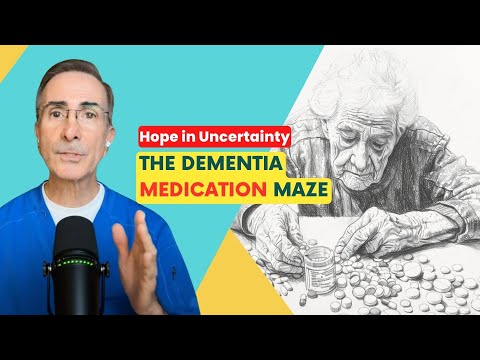 Dementia Medications ExplainedThis video explains what medications are available, how they work, and why they are not cures but can help manage symptoms. It's a good starting point for a conversation with your doctor.
 Alzheimer's & Dementia Starter Kit Part 1This video covers the basics of what dementia is, how it's diagnosed, and what to expect. It's especially helpful if you're new to caregiving and feeling overwhelmed.
 4 Most Common Types of Dementia in AgingUnderstanding the different types of dementia helps you know what symptoms to expect and what treatments might work. This video breaks down Alzheimer's, vascular, Lewy body, and frontotemporal dementia.
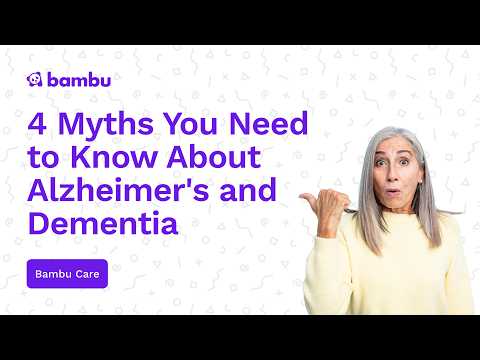 Alzheimer’s and Dementia: 4 Myths You Need to Know (Part 2)This video addresses common misconceptions, like the idea that dementia is a normal part of aging or that nothing can be done after diagnosis. It's reassuring and empowering.
2 more videos
 Simple Tips To Lower Dementia RiskEven though there's no cure, there are science-backed ways to reduce risk. This video gives practical tips that apply to both the person with dementia and the caregiver.
 5 surprising facts about dementia you may not knowThis video shares lesser-known facts, like how people can have good days even with dementia, and why it's important not to assume memory loss is always dementia.
Background
What Dementia Actually Is (and Isn’t)
Dementia is not a single disease, it's an umbrella term for a group of symptoms that affect memory, thinking, and social abilities enough to interfere with daily life. Think of it like a fever: a fever tells you something is wrong, but it doesn't tell you the cause. Similarly, dementia is a symptom of underlying brain changes. Alzheimer's disease is the most common cause, accounting for 40–80% of cases, but there are many others including vascular dementia, Lewy body dementia, frontotemporal dementia, and mixed dementia (a combination of types). Some people even have dementia-like symptoms from reversible causes such as vitamin B12 deficiency, thyroid problems, depression, sleep deprivation, medication side effects, or a brain tumor. This is why a thorough medical evaluation is critical, what looks like dementia might actually be treatable.
Why There Is No Single Cure (Yet)
The reason there's no cure is that dementia isn't one thing, it's over 200 different disease processes that damage the brain in different ways. Each type has its own underlying pathology: Alzheimer's involves abnormal protein plaques and tangles, vascular dementia results from reduced blood flow to the brain, and Lewy body dementia involves abnormal protein deposits called Lewy bodies. Finding a single cure for all of these is like trying to find one medicine that cures heart disease, lung cancer, and diabetes at the same time. That said, research is advancing. Some medications can temporarily improve symptoms or slow decline for a period of time. For example, one doctor describes a patient who was able to stay home for five years after being in a memory unit, thanks to medication. But these treatments are not cures, they buy time and better function, not a reversal of the disease.
Common Misconceptions About Dementia Causes
One major misconception is that dementia is a normal part of aging. It's not. While age is the biggest risk factor, dementia is not inevitable, many people live into their 90s with sharp minds. Another myth is that memory loss always means dementia. Memory loss can have many causes, including stress, depression, medication interactions, or even a urinary tract infection in older adults. Some people also believe that if a loved one has a 'good day' where they seem clear-headed, they must not really have dementia. In reality, especially in early and moderate stages, people can have moments of clarity. These good days are real and should be cherished, but they don't mean the diagnosis is wrong. Finally, there's a misconception that nothing can be done after a dementia diagnosis. In truth, there are many things you can do, medications, lifestyle changes, therapies, and support, to improve quality of life for both the person with dementia and the caregiver.
Practical tools
4
The 'Good Day' Journal
Each day, note moments of clarity or triggers for agitation. Patterns emerge that help plan better activities and provide concrete examples for the doctor.
The 'What to Ask the Doctor' Checklist
Before each visit, write down
Bring the list to every appointment.
The 'One-Step' Communication Script
Use short sentences and offer choices (e.g., 'Soup or sandwich?') instead of open-ended questions. Give one instruction at a time, pause, and repeat calmly to reduce anxiety.
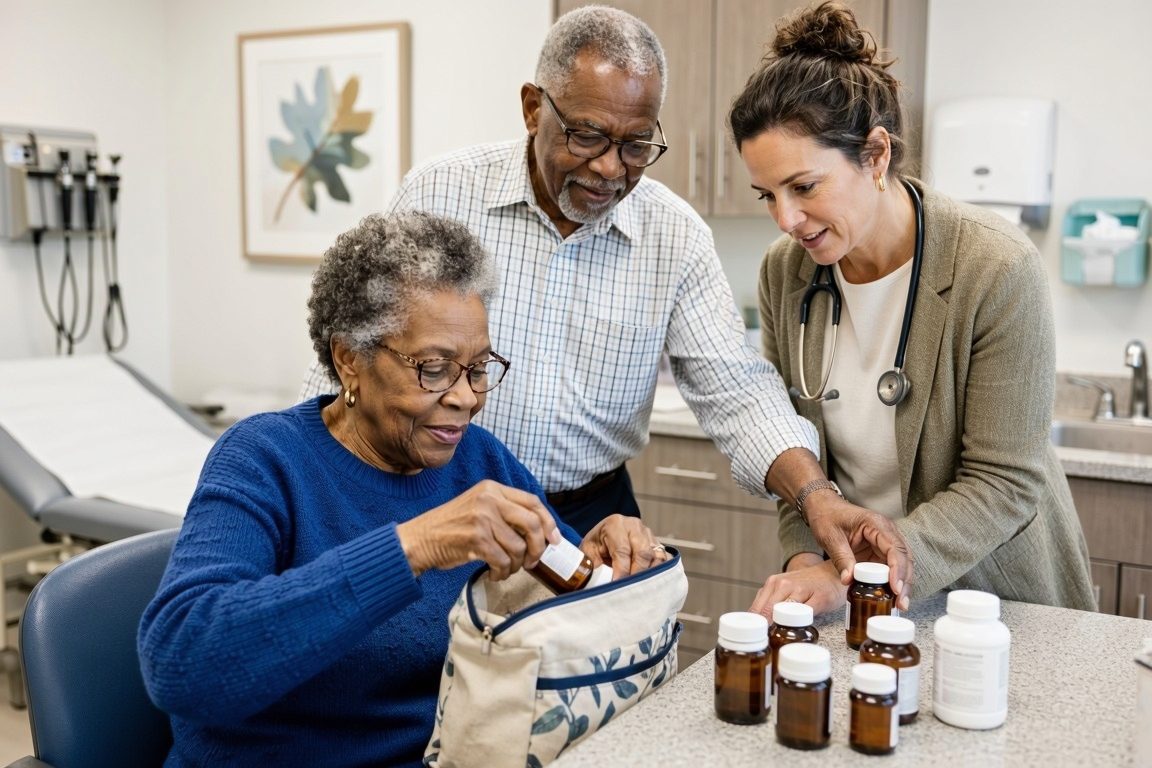
The 'Brown Bag' Medication Review
Bring
to appointments. Ask the doctor or pharmacist to check for interactions, duplicates, or cognition-worsening medications.
Different situations
For early-stage dementia (mild cognitive impairment or early Alzheimer's)
Focus on planning ahead. Encourage your loved one to participate in decisions about future care, legal documents, and financial planning while they can still express their wishes. Use the 'good days' to have these conversations. Also, consider cognitive rehabilitation or memory training programs that may help maintain function longer.
For Lewy body dementia or Parkinson's disease dementia
Be extra vigilant about medication side effects. People with Lewy body dementia are very sensitive to antipsychotic medications, which can cause severe reactions. Always discuss any new medication with a specialist. Also, watch for visual hallucinations, don't argue about them, but do mention them to the doctor. Falls are a major risk, so remove tripping hazards and install grab bars.
For frontotemporal dementia (often affects younger people, 40s-60s)
Behavior and personality changes often come before memory loss. Your loved one may become impulsive, lose empathy, or develop obsessive routines. This can be very hard for families. Focus on safety (locking up car keys, monitoring spending) and consider behavioral therapies. Support groups for younger-onset dementia can be especially helpful.
For late-stage dementia (when your loved one needs full-time care)
Shift goals from maintaining function to ensuring comfort and dignity. Medications for symptom management may still be appropriate, but the priority is pain control, preventing pressure sores, and managing swallowing difficulties. Work with a palliative care or hospice team. Your role becomes more about presence and gentle touch than conversation. Take care of yourself, caregiver burnout is real.
For adult children caring for a parent (vs. spouse caregivers)
You may face different challenges, like balancing caregiving with your own job and family. You might also have siblings who disagree about what to do. Consider holding a family meeting with a neutral facilitator (like a social worker) to divide responsibilities. Also, be aware that you may need to step into a 'parenting' role with your own parent, which can be emotionally difficult. Seek counseling if needed.
For the doctor
6
- Ask your doctor: 'Could my loved one's symptoms be caused by a reversible condition like vitamin B12 deficiency, thyroid problems, or depression? Can we test for those before settling on a dementia diagnosis?'
- Ask your doctor: 'What specific type of dementia do you suspect, and what tests can confirm it? Would a referral to a neurologist or memory clinic be helpful?'
- Ask your doctor: 'Are there any medications that might help with my loved one's specific symptoms? What are the potential side effects, and how do we monitor for them?'
- Ask your doctor: 'If my loved one suddenly becomes more confused or agitated, what should I do? How do I know if it's an emergency?'
- Ask your doctor: 'Are there any clinical trials or research studies that my loved one might be eligible for?'
- Ask your doctor: 'What advance care planning documents should we have in place, and how can we start those conversations now?'