
Step by step
What not to do
- Do not stop dementia medications abruptly without consulting the doctor; discuss gradual taper if needed.
- Do not use feeding tubes for advanced dementia; they do not prevent aspiration or improve survival. Use careful hand-feeding with safe textures.
- Do not avoid conversations about death and dying; this prevents crisis decisions that may contradict the person's wishes.
- Do not wait for a crisis to call hospice; early referral manages symptoms and supports families better.
Key points
- Dementia is a fatal, progressive brain disease with no cure. It causes death by destroying the brain's ability to control basic bodily functions.
- Average survival after diagnosis is 4.5 years, but this varies widely. The most common cause of death is pneumonia.
- There are medications that can temporarily improve symptoms, but they do not stop the disease. Do not stop them without consulting the doctor.
- Advance care planning should start early. Discuss values, complete advance directives, and name a healthcare proxy.
- Hospice care focuses on comfort and quality of life. It is appropriate when the person has lost the ability to walk, dress, and eat independently, and has had serious complications.
- Caregivers must take care of themselves. Seek support, respite, and professional help when needed.
Videos
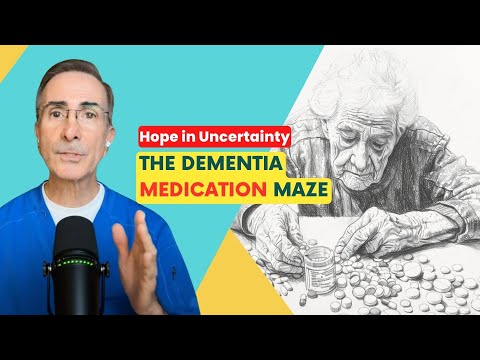 Dementia Medications ExplainedExplains the role of current medications in managing symptoms, even though there is no cure. Helps you understand what to expect and why not to stop them abruptly.
 5 surprising facts about dementia you may not knowCovers the reality that dementia is fatal and progressive, and that good days do not mean the person is getting better. Essential for resetting expectations.
 Compassion & Choices with CEO Kim Callinan & Jessica Empeño National Director of EducationDiscusses advance care planning, hospice, and end-of-life decision-making. Provides tools for having difficult conversations about dying.
 Is dementia reversible?Clarifies that true dementia is not reversible, but some conditions that mimic dementia (like vitamin deficiency or depression) are treatable. Helps you ask the right questions.
Background
Dementia Is a Progressive, Fatal Brain Disease
Dementia is not a normal part of aging. It is an umbrella term for over 100 different conditions that cause progressive brain damage. The most common type is Alzheimer's disease, which accounts for 60-80% of cases. In all forms of dementia, nerve cells in the brain are gradually damaged and destroyed. This damage is irreversible and gets worse over time. Unlike a broken bone or an infection, the brain cannot heal itself from this type of injury. As the disease advances, more and more brain regions are affected, including those that control basic bodily functions like walking, swallowing, and breathing. This is why dementia is ultimately fatal: the brain loses its ability to keep the body alive.
There Is No Cure, But There Are Treatments That Help
As of today, there is no medication that can cure dementia or stop its progression. However, there are FDA-approved drugs that can temporarily improve symptoms or slow the rate of decline for some people. For Alzheimer's disease, these include cholinesterase inhibitors like donepezil (for mild to severe stages) and memantine (for moderate to severe stages). These medications do not fix the underlying brain damage, but they can help with memory, thinking, and daily function for a period of time. It is important to discuss with your loved one's doctor whether these medications are appropriate, as they are not effective for all types of dementia. Some people experience meaningful benefit for several years, while others see little change. Do not stop these medications without consulting the prescribing clinician, as abrupt withdrawal can cause a sudden worsening of symptoms.
Dementia Shortens Life Expectancy, But the Timeline Varies
The average survival time after a dementia diagnosis is about 4.5 years, but this varies widely. People diagnosed in their 60s may live 10 years or more, while those diagnosed in their 90s often live around 3-4 years. The type of dementia also matters: vascular dementia and Lewy body dementia can have a more rapid course than Alzheimer's. The most common cause of death in people with dementia is pneumonia, especially aspiration pneumonia, which occurs when food or liquid enters the lungs instead of the stomach. Other common complications include urinary tract infections, sepsis, pressure ulcers (bedsores), and dehydration. These are not random events; they are direct consequences of the brain's declining ability to coordinate swallowing, movement, and immune function.
Late-Stage Dementia Is a Terminal Condition
In the final stages of dementia, the person becomes completely dependent on others for all care. They may lose the ability to speak, walk, eat, or control their bladder and bowels. The FAST scale (Functional Assessment Staging) is one tool clinicians use to identify late-stage disease. When a person has lost the ability to walk, dress, and bathe independently, and they have had one or more serious medical complications in the past year (such as aspiration pneumonia, recurrent fevers, or significant weight loss), they may be eligible for hospice care. Hospice is not giving up; it is shifting the goal from cure to comfort. It provides expert management of pain, shortness of breath, agitation, and other distressing symptoms. Many families wish they had started hospice sooner.
Practical tools
4
State-specific Advance Directive Forms
Download free forms from NHPCO or your state health department. Complete while the person can still communicate, name a healthcare proxy, and give copies to the doctor.
Swallowing Safety Checklist
Before each meal: ensure
Stop and contact a speech therapist if any coughing or throat clearing occurs.
Comfort Care Kit
Assemble:
Use during agitation to reduce distress without medication.
Symptom and Change Tracking Log
Record changes in
Bring to all medical appointments.
Different situations
Lewy body dementia or Parkinson's disease dementia
These types often have more rapid progression and a higher risk of falls, hallucinations, and sensitivity to antipsychotic medications. Be extra vigilant about medication side effects. Discuss with the doctor whether donepezil or rivastigmine is appropriate. Focus on fall prevention: remove rugs, install grab bars, and use a walker. Hallucinations may be managed with reassurance rather than medication.
Late-stage dementia (FAST stage 7)
At this stage, the person is bedbound and completely dependent. Shift all care to comfort: turn and reposition every 2 hours to prevent pressure ulcers, provide mouth care every 2 hours to prevent dry mouth and infections, use a hospital bed with side rails for safety. Discuss hospice if not already enrolled. Stop all non-essential medications (like cholesterol or blood pressure drugs) with the doctor's guidance.
Spouse caregiver vs. adult child caregiver
Spouse caregivers often have their own health issues and may be older. They need to prioritize their own medical appointments and consider respite care. Adult children may be juggling work and their own families. They should set clear boundaries and ask siblings for help. Both should join a caregiver support group. If the care recipient is in a facility, the family's role shifts to monitoring quality of care and advocating for comfort.
Person lives in a nursing home or memory care facility
You are still the primary advocate. Visit regularly and get to know the staff. Ask about the facility's approach to end-of-life care. Ensure the advance directive is on file. If the person is declining, request a care conference with the nursing director, social worker, and doctor. Discuss whether hospice can be brought into the facility. Many nursing homes have hospice contracts.
Low-income or Medicaid recipient
Medicaid covers long-term care in nursing homes for those who qualify. Hospice is covered by Medicare for all eligible individuals, regardless of income. If you need help navigating benefits, contact your local Area Agency on Aging (AAA) or a social worker at the hospital. There are also non-profit organizations that provide free financial counseling for dementia caregivers.
For the doctor
6
- Ask the doctor: 'Is my loved one eligible for hospice based on the FAST scale and recent medical complications?'
- Discuss: 'What are the risks and benefits of continuing current medications (like donepezil or memantine) at this stage?'
- Ask: 'If my loved one develops pneumonia or a urinary tract infection, what is the best approach: antibiotics and hospitalization, or comfort care at home?'
- Discuss: 'How do we manage pain, shortness of breath, or agitation without causing excessive sedation?'
- Ask: 'Should we consider a swallowing evaluation to prevent aspiration pneumonia?'
- Ask: 'If I have to stop feeding due to a swallowing concern, what should I do in the meantime to keep my loved one hydrated and nourished until we can get a professional evaluation?'